
For nearly a decade, Tesla, Inc. (NASDAQ: TSLA) was synonymous with the rise of electric vehicles. Its sleek designs and strong brand appeal made it not only a carmaker but a cultural symbol of the transition toward cleaner transportation. That dominance, however, has started to waver. In 2025, Tesla delivered 1.64 million vehicles, a 9% drop from the previous year. It was the second consecutive annual decline, marking a moment when the electric vehicle market’s center of gravity began to shift east.
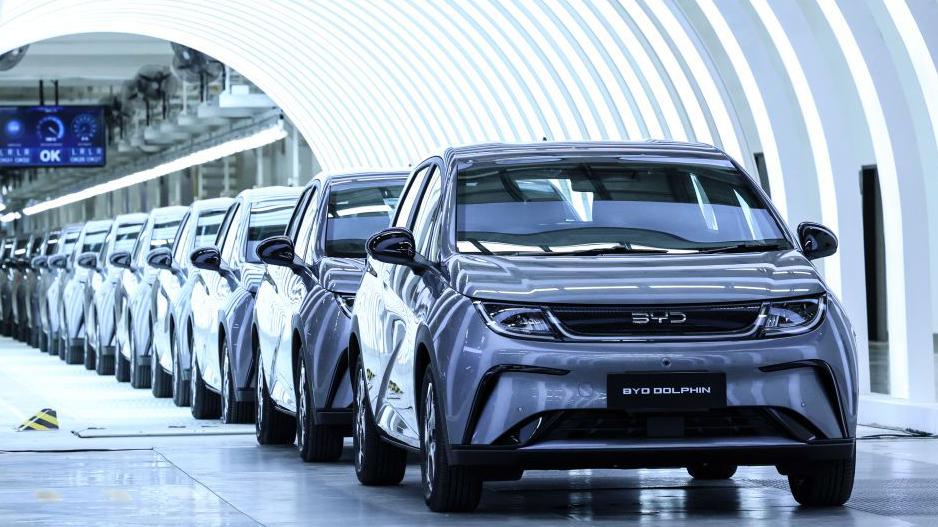
That shift came in the form of BYD Company Ltd. (HKEX: 1211, SHE: 002594), the Chinese automaker that sold 2.26 million fully electric cars in 2025. BYD’s ascent made it the world’s largest manufacturer of electric vehicles, surpassing the company that had once defined the category.
BYD’s growth has been steady for years but only recently caught global attention. Founded in the mid-1990s as a battery company, BYD built its strength on vertical integration, producing most of its own components. This gave the company control over costs at a time when the rest of the auto industry was squeezed by supply chain disruptions and inflation in battery materials.
In China, BYD’s vehicles are now as common in major cities as traditional fuel cars once were, helped by strong domestic incentives and the company’s ability to meet a wide range of price points. Its product line extends from affordable compact EVs to luxury sedans for upper-income urban buyers. This accessibility, coupled with improvements in design quality and reliability, has helped BYD earn trust among consumers both in China and abroad.
BYD has also expanded aggressively beyond its home market. Exports to Europe, South America, and parts of Southeast Asia climbed in 2025, with growing demand from fleet buyers who value lower running costs and increasingly competitive warranties. The company’s strategy mirrors that of Japanese automakers in past decades: start with durable, practical vehicles, win customers through value, then move upmarket over time.
Tesla’s stumble cannot be blamed on a single factor. Analysts point to a combination of increased competition, softening demand in key markets, and controversy surrounding its CEO, Elon Musk. His frequent public commentary and open engagement with U.S. political debates have alienated some buyers, particularly in markets where Tesla’s image was once associated with innovation and environmental leadership. Some customers have voiced discomfort with Musk’s political statements, creating a gap between brand loyalty and personal perception of the company’s leadership.
There is also the matter of pricing strategy. During 2025, Tesla cut prices across multiple models in an effort to defend market share. While this temporarily bolstered deliveries early in the year, the lower margins strained profitability, and the cuts did not fully offset competition from less expensive alternatives, especially those from China.
The story unfolding is not just about Tesla’s decline, but about how preferences are evolving. Buyers today view electric vehicles less as novel technology and more as a standard option. With more models available, consumers are comparing not only performance but everyday usability and price. In markets like China and parts of Europe, brand nationalism has also become a quiet but meaningful factor, with local consumers showing stronger support for domestic producers.
In the U.S., Tesla still holds the largest share of the EV market, but growth is slowing. Government incentives helped fuel adoption earlier in the decade, yet those benefits are now less decisive as cheaper imports and competing domestic brands fill the market. For some, the shift toward competitors like BYD signals that the next phase of EV growth may rely more on affordability and practicality than on luxury or celebrity leadership.
The global car industry has always been cyclical, but the current realignment between Tesla and BYD reflects deeper structural change. It shows how electric vehicles are transitioning from early-adopter products to mainstream transportation. BYD’s rise underscores the role of policy, manufacturing scale, and everyday consumer appeal, while Tesla’s slowdown demonstrates how quickly leadership can change in a maturing market.
Neither company’s story is finished. Tesla remains a technology innovator with the ability to rebound, but it is now contending with a challenger that built its empire on consistency and cost control rather than personality. The contrast between the two may end up defining the next era of the electric vehicle business more than sales numbers alone.
