
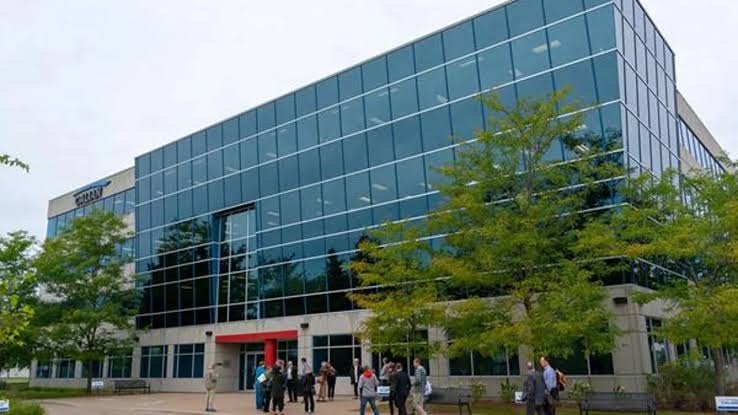
Some companies earn their money selling products people use every day. Others earn it by doing work that simply cannot fail. Calian Group Ltd. (TSX: CGY) belongs firmly in the second group. Headquartered in Ottawa, the company has spent more than 40 years providing what it calls mission-critical solutions to customers in defense, space, health care and other critical infrastructure sectors. It employs more than 6,000 people around the world.
In plain terms, Calian works in places where reliability is the whole point. The company describes its purpose as helping to protect lives, strengthen security, keep people connected across the globe and support economic progress. Its customers tend to value track records, sign long agreements and rarely change providers on a whim. That kind of work rewards specialization, and specialization is what the latest news is really about.
Calian announced that it had completed the sale of its U.S. commercial IT business, based in Houston, Texas, to Trace3, a technology solutions and consulting firm headquartered in Irvine, California. The deal closed on the terms first announced on August 25, 2026. Calian receives upfront cash of about $31 million (CAD $43 million), and Trace3 takes on roughly $12 million (CAD $17 million) in net liabilities connected to the business.
The unit is more than a sales office. According to Trace3, it comes with local teams in Texas and Minnesota, a security operations center, two network operations centers that run around the clock every day of the year, and integration centers that handle work from design and configuration through staging and deployment. For Trace3, which became part of Apollo Funds in late 2025, the purchase widens its national reach in managed services and engineering.
So why would Calian let go of a business with real infrastructure and loyal clients? The answer comes down to fit. Commercial IT services for private companies is a broad and competitive market, and Calian was one provider among many. Its other businesses serve governments and institutions in fields where specialized knowledge and long relationships matter a great deal, and where newcomers can find it hard to break in. Selling the U.S. unit allows management to put its time, people and capital behind the areas where Calian has a clearer edge. Chief Executive Officer Patrick Houston said the sale lets the company move ahead with greater clarity and focus as it builds the next phase of its growth.
The deal also makes Calian easier to understand. A company spread across many unrelated activities can be hard to value, because each piece follows its own economics and faces its own competitors. A company with a tighter mix tells a simpler story. The upfront cash, along with the liabilities that now belong to Trace3, gives Calian added flexibility. That could mean reducing debt, investing in its core segments or pursuing acquisitions that match its focus, although the company has not said how it plans to use the proceeds.
The market has already been rewarding the direction Calian is taking. Its shares have gained about 48% over the past year, a sign that investors have warmed to its emphasis on defense and critical infrastructure work. Shedding a business that sat outside that core is a natural next step in the same story.
There are still questions to watch. Removing a revenue stream means Calian’s top line will be smaller in the near term, and the real test is whether the remaining businesses can grow quickly enough to fill the gap. Investors will likely look to upcoming quarterly results for clues about how the company puts its sharper focus, and its fresh cash, to work. For now, the message from Ottawa is easy to read. Calian would rather be very good at a few demanding things than merely capable at many.
