
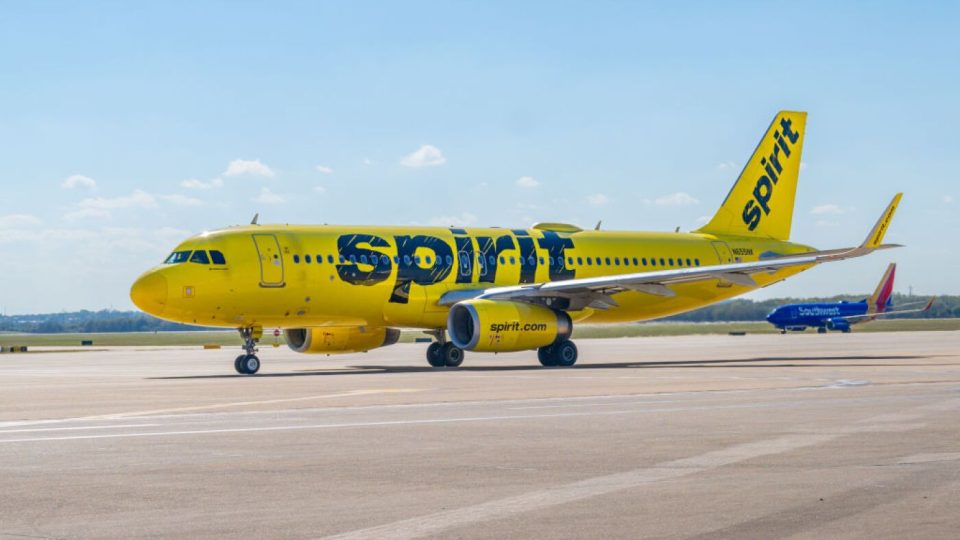
Let’s talk about Spirit Airlines, a carrier known for its bright yellow planes and bare-bones fares that appeal to travelers watching every dollar. The company has hit a rough patch, filing for Chapter 11 bankruptcy protection for the second time in less than a year. This latest move came in late August 2025, just months after it emerged from the first filing back in March 2025. Chapter 11 lets a company keep flying while it sorts out its debts and operations, but two rounds so close together raise real questions about whether Spirit can turn things around.
The first bankruptcy started in November 2024, when Spirit listed debts between $1 billion and $10 billion, blaming pandemic losses, a failed merger with JetBlue, and rising costs. It wrapped up quickly after converting nearly $800 million in debt to equity, giving bondholders control and wiping out old shareholders. Fresh out of that process, Spirit got $350 million in new cash and promised a leaner setup. Yet by summer 2025, losses piled up again, with $245 million gone in one quarter alone, pushing it back into bankruptcy. CEO Dave Davis noted that the initial filing tackled debt but left deeper fixes undone, like trimming the fleet and routes.
Now, Spirit expects to exit this second Chapter 11 by late spring or early summer 2026, thanks to a preliminary deal with lenders and creditors. The plan shrinks the fleet to about 100 Airbus planes from over 200, cuts service to dozens of cities like Phoenix, St. Louis, and Minneapolis, and furloughs hundreds of pilots and flight attendants. This follows earlier layoffs and plane sales. The goal is a smaller network focused on strong markets such as Fort Lauderdale, Orlando, and Detroit, saving hundreds of millions yearly. Davis calls it a path to a “new Spirit,” adding premium seats with extra legroom alongside cheap base fares to draw more passengers.
Macro factors play a big role here. Fuel prices have climbed steadily since 2020, squeezing low-cost carriers hardest since they lack the scale of giants like Delta or United. Travel demand softened too, with domestic flyers picking fuller-service options over no-frills trades like bag fees and tight seats. Bigger airlines now mimic Spirit’s low fares on select routes, eroding its edge. Since 2020, Spirit has burned through over $2.5 billion, and even after debt cuts, cash runs low without big changes.
Analysts offer a mixed but cautious take. Some see a 30% chance of standalone survival if the shrink works, but 40% bet on acquisition by Frontier or even JetBlue again, given past talks. Forbes notes creditors demand proof of progress for extra $50 million in funding, with “substantial doubt” about lasting without a buyer. Bankruptcy experts point to the rare “Chapter 22” speed, from filing to cuts in months, as a sign of urgency. Ratings hover low, with many urging sales of assets over solo flight. Still, court approval for $475 million in debtor financing buys time into 2026.
Spirit’s no-frills roots made it America’s top ultra-low-cost player, but post-COVID realities hit hard. Furloughs total thousands now, and route cuts hit 18 cities since August, shifting focus to core hubs. The premium push aims at “value-seeking” flyers tired of extras costs, but success hinges on execution amid competition.
A standalone Spirit could stabilize as a niche player if fuel eases and demand rebounds by mid-2026. Yet with rivals expanding into its spots, like United and Frontier, the path stays narrow. Watch for merger news or emergence details; they will signal if this reset sticks or if the yellow planes fade from more skies.
