
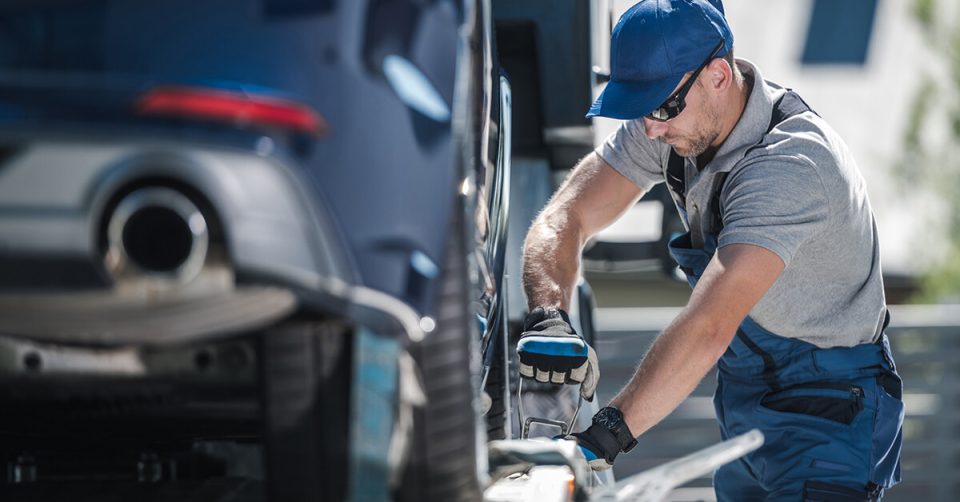
More Americans than at any time since the Great Recession of 2008 and 2009 are losing their cars to repossession. Lenders reclaimed about 1.73 million vehicles in 2024, the highest total since 2009, and topped 2.2 million through much of 2025 with full year projections nearing 3 million. Monthly payments for new cars often exceed $750, leaving families who grabbed vehicles during the pandemic grappling with costs they can barely cover, particularly those with lower credit scores.
A mix of economic pressures and lending habits built this problem over years. New car prices jumped during COVID-19 shortages, pushing average loans higher while buyers locked in deals with stimulus cash and cheap rates. By 2024 rates climbed above 7% for many, and Federal Reserve data pegged serious delinquencies near 5% through late 2025, with subprime loans over 6.5%. Households juggle higher rent food and fuel bills so car payments slip down the list despite their link to jobs. Pandemic era purchases left many upside down where cars worth less than owed made keeping up feel pointless.
Lenders share blame too. They loosened standards in 2020 and 2021 financing riskier borrowers who stretched for bigger vehicles. Now they tighten credit but past loans fuel the repo wave. Cox Automotive tracked a 43% rise in repossessions from 2022 to 2024 with Recovery Database Network figures showing 7.5 million assignments to repo agencies by October 2025. Voluntary surrenders grew as owners handed over keys rather than fight though redemption rates hover around 30% when borrowers scrape together funds.
Repo agents stay busy. In places like Detroit operators report nonstop calls from lenders who can seize cars after just weeks late before owners hide them. Agents train for tense encounters often working in teams as pushback rises. Businesses grew fast since 2022 with assignments 22.5% above pre-pandemic peaks by late that year. The auto sector Americas third biggest consumer debt at $1.7 trillion shows cracks under this strain.
Massachusetts Senator Elizabeth Warren kicked off a Senate Banking Committee probe in late 2025 spotlighting illegal and wrongful seizures. Her team targets cases where agents grab cars from borrowers up to date or with payment plans in place. A spokesperson confirmed the focus to news outlets part of broader pushes for auto lending fixes.
Consumer Financial Protection Bureau reports back this concern. They note subprime accounts face most repossessions with rates climbing as car values dropped post-pandemic. Completion fell to 27% in late 2022 amid market shifts hitting lower income groups hardest. States and feds issued 2026 warnings on compliance urging better data checks to avoid errors.
Banks adjust slowly. The Federal Reserves January 2026 survey found steady standards overall but tighter rules ahead for subprime auto loans. Lenders offer modifications to stall repos yet defaults often return. Firms like Tricolor filed bankruptcy costing big players like JPMorgan Chase $170 million in charges. Industry voices call it a red flag for wider risks.
Economic forces meet sloppy practices here. Borrowers need cars for work yet small misses trigger losses that haunt credit for years. Lawmakers eye stronger rules on notices and grace periods while agents expect steady demand. As total auto debt tops $1.66 trillion this tests how safeguards stack up against real world squeeze.
