
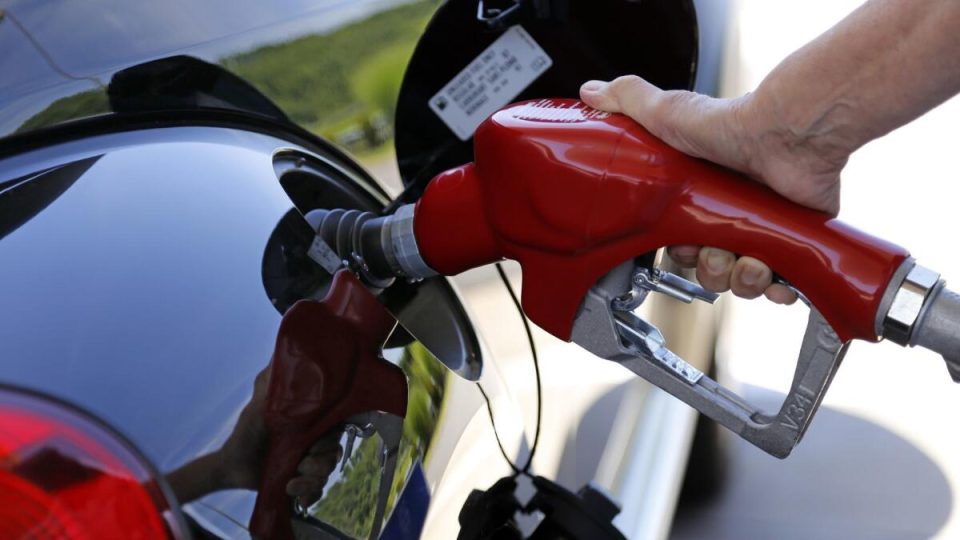
Yesterday President Trump announced a rollback of the fuel efficiency standards that were put in place during the Biden administration. Speaking in front of a gathering of auto industry executives, he called them a costly scam, criticizing the previous rules as expensive and ineffective, arguing they imposed unnecessary costs on manufacturers. This decision represents a significant change in U.S. auto policy, shifting the focus from strict environmental targets to greater regulatory flexibility.
These standards, set during the previous administration, pushed automakers to hit average fuel economy figures around 50 miles per gallon by model year 2031. Trump administration officials now aim to ease those requirements, potentially slowing the push toward electric vehicles and hybrids. Auto executives from major players like General Motors Company (NYSE: GM) and Ford Motor Company (NYSE: F) attended the event, signaling industry interest in looser regulations. The move could save billions in compliance costs, but it also raises questions about long-term environmental impacts and consumer fuel prices.
Reactions poured in quickly from all sides. On the positive end, industry leaders praised the change as a practical step. John Bozzella, president of the Alliance for Automotive Innovation, said, “This rollback recognizes the real-world challenges automakers face in meeting unrealistic mandates.” He pointed out that the rules forced rushed investments into tech that might not scale affordably. Stock prices for GM and F ticked up slightly post-announcement, reflecting investor relief over reduced regulatory pressure.
Environmental groups fired back with sharp criticism. Lena Brooks from the Sierra Club called it “a dangerous gift to polluters,” warning it would lock in higher emissions for years. “Families will pay more at the pump, and our air quality suffers,” she added in a statement. The Natural Resources Defense Council echoed this, noting the standards had already spurred innovations like better batteries. They argue the rollback ignores climate goals and could cost the U.S. economy jobs in clean tech sectors.
Consumers and economists offer a mixed view too. Some drivers welcome potential lower sticker prices on gas-powered cars, as stricter rules often raise upfront costs. Yet others worry about future fuel expenses; the original standards promised up to $1,000 in annual savings per household by improving efficiency. Analysts from BloombergNEF predict this could delay EV adoption by 2-3 years, affecting global supply chains for batteries.
Labor unions split along similar lines. The United Auto Workers union expressed cautious support, with President Shawn Fain stating, “We need rules that protect jobs without killing American manufacturing.” They fear overly lax standards might hurt competitiveness against foreign rivals. Meanwhile, green energy advocates push for balance, suggesting incentives over mandates.
Lawmakers jumped into the fray as well. Republican senators like John Barrasso hailed it as “common-sense deregulation that boosts U.S. energy independence.” Democrats, including Senator Sheldon Whitehouse, slammed it as “short-sighted pandering to Big Oil,” predicting legal battles ahead. Several states, led by California, already signal plans to challenge the changes in court, citing their own tougher standards.
This policy pivot fits into broader Trump goals of easing business burdens. Since his re-election, similar rollbacks have hit energy and labor rules. For autos, it means more room to focus on profitable trucks and SUVs, which dominate U.S. sales at over 70% of the market. Yet global pressures persist; Europe and China maintain aggressive EV targets, potentially leaving U.S. firms at a disadvantage abroad.
Market watchers see ripple effects. Shares in oil companies rose 1-2% on expectations of steady gasoline demand. Battery makers like Panasonic Holdings Corporation dipped, as slower EV shifts crimp growth. The decision underscores tensions between short-term industry relief and long-term sustainability.
Business leaders now watch closely for implementation details. Will exemptions apply to certain models? How will safety standards integrate? These questions linger as the industry adapts.
