
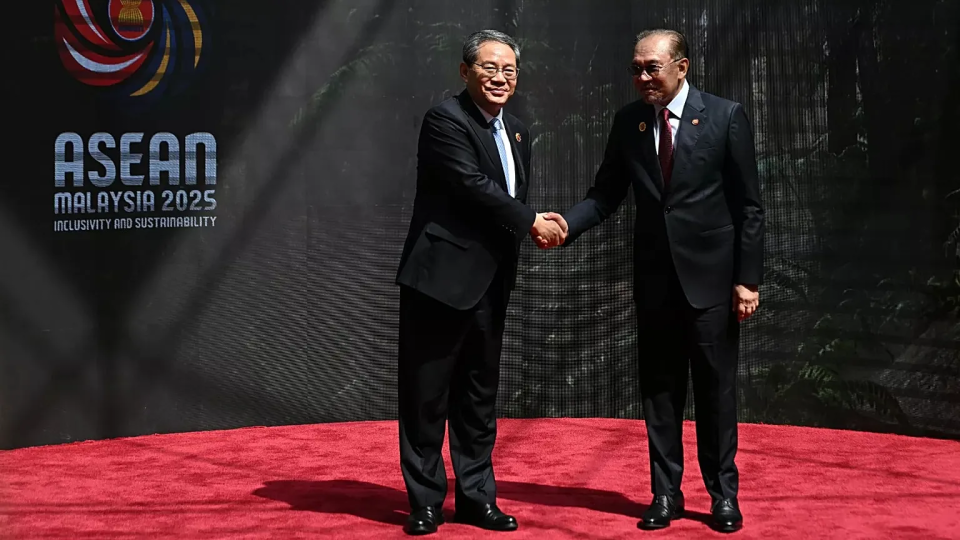
China recently broadened its involvement in the Association of Southeast Asian Nations (ASEAN) Free Trade Agreement, a move with important implications for global trade. The expanded agreement now includes China and the ten ASEAN member countries: Brunei, Cambodia, Indonesia, Laos, Malaysia, Myanmar, the Philippines, Singapore, Thailand, and Vietnam. This trade pact aims to reduce tariffs and increase economic cooperation among these nations, supporting growth in a region known for its rapid industrial development and strategic role in global supply chains.
The original ASEAN Free Trade Agreement focused on lowering barriers between the member economies, while the current expansion deepens China’s integration into this framework. This creates more favorable conditions for trade, investment, and regulatory cooperation between China and ASEAN countries. For businesses and policymakers, the expansion signals China’s aim to offer an alternative route for trade in the Asia-Pacific as the U.S. pursues a more protectionist trade policy with tariffs and restrictions designed to shield its domestic industries.
From a macroeconomic perspective, the ASEAN bloc collectively represents a significant portion of global manufacturing output and trade flows. China’s enhanced role through the expanded pact could drive more trade and cross-border investment in the region. This presents opportunities for companies looking to diversify from the U.S.-centered supply chains. However, it may also challenge smaller ASEAN economies to navigate competing economic interests from major powers.
Geopolitically, the pact adds complexity amid rising tensions between China and the U.S. over trade and influence in Asia. While U.S. policies focus on protecting national interests, China’s expanded trade ties with ASEAN offer a counterbalance through regional economic integration. ASEAN countries stand to gain through trade diversification but will have to carefully balance their economic and political relations with both China and the U.S.
The effectiveness of the expanded agreement depends on how fully all parties adhere to its terms. Though tariffs are set to fall and trade regulations harmonized, some sectors may still face adjustment challenges or protective measures. Businesses need to watch regulatory changes closely and factor in the evolving geopolitical landscape when planning investments and supply chains.
This expansion underscores Southeast Asia’s growing importance as a global economic hub. The region’s strategic position and dynamic growth make it a focal point for regional powers vying for influence through trade. China’s deepened engagement through the ASEAN pact may reshape trade patterns and economic partnerships across Asia, requiring careful strategic management from companies and governments alike.
China’s expanded partnership with ASEAN is a key development in the shifting global trade environment. It offers the potential for increased cooperation and access in a vital region, standing as an economic alternative amid tightening U.S. trade policies. The trade pact encapsulates the broader geopolitical and economic shifts underway in Asia, where balancing growth opportunities and strategic interests will be essential for those active in the region.
