
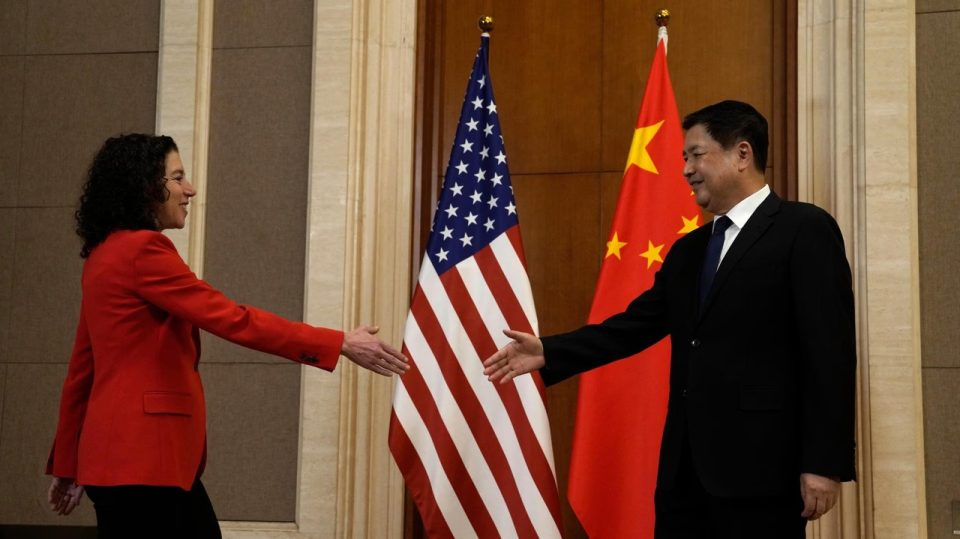
China recently required exporters to get licenses for 13 chemicals used in making fentanyl, the powerful synthetic opioid behind a big part of the U.S. overdose crisis. This move comes after the summit between U.S. President Trump and China’s President Xi Jinping in South Korea, signaling a warmer phase in U.S.-China relations on this front.
Fentanyl has caused serious harm across the country, with many overdoses linked to drugs made using chemicals sourced from China. By asking exporters to get licenses before shipping these chemicals to the U.S., China is taking an important step toward limiting how easily these raw materials reach illicit drug producers. The Chinese government shared this new rule today, stating that shipments to North America, including the U.S., Canada, and Mexico, will now need these export permits.
This licensing move reflects some of what was discussed at the summit between the two nations. Both agreed to work harder to stop fentanyl chemicals from making their way into the U.S. drug supply. Beyond just the new rules, Chinese officials are telling companies to seriously check who is buying the chemicals to avoid fraud or illegal use.
That said, controlling fentanyl precursors remains a tough challenge. The global supply chain for chemicals is complex, and traffickers often find ways to sneak shipments through by mislabeling or sending them through other countries. China now faces the challenge of enforcing these rules effectively while allowing legitimate business to continue. Success here depends on close monitoring and strong international cooperation.
This change also fits into a broader picture of the U.S. and China trying to cool down recent trade tensions. Both countries have paused some tariffs and trade investigations, creating a bit more space for collaboration on difficult issues like drug trafficking.
Even with these new steps, the fentanyl epidemic in the U.S. is deep and complicated. Controlling chemical exports is just one piece. The effort also needs progress in treatment availability, demand reduction, and law enforcement actions. China’s licensing rule is a sign of progress, but it’s part of a larger battle that crosses borders and involves many players.
It’s worth noting that the chemicals involved also have legitimate industrial uses worldwide. Governments have to find a middle ground, blocking illegal use without disrupting legal chemical trade. China’s rule aims to strike that balance by focusing export licenses on shipments headed to North America, not other markets.
For anyone watching U.S.-China relations or the chemical industry, this marks a noticeable shift. The new export license requirement shows a more hands-on approach without just relying on promises. But enforcement and verification will need to prove they can keep up with the sophisticated ways traffickers adapt. As the fight against fentanyl continues, these types of policies could reshape the flow of key chemicals and the dynamics of international trade.
