
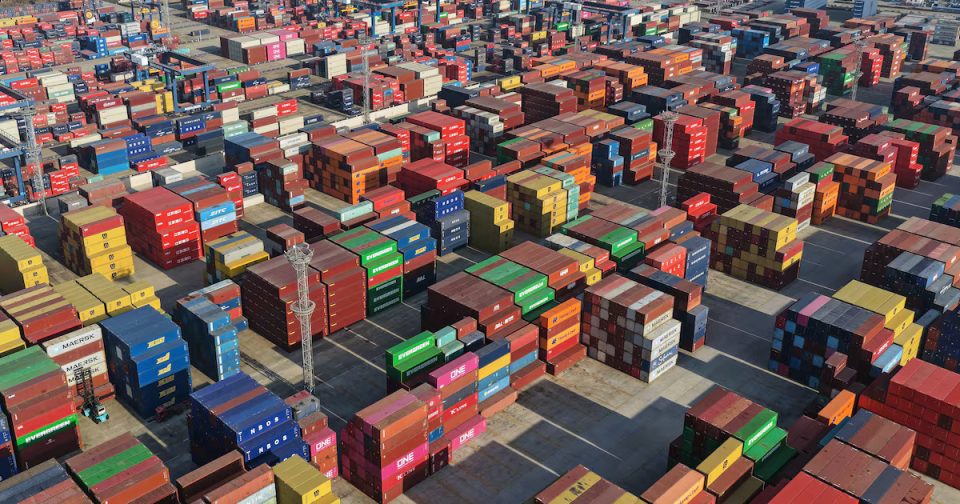
China’s economy hit a notable mark in 2025. Its trade surplus, the gap between what it sells to the world and what it buys back, climbed to $1.2 trillion. That figure stands as the highest ever recorded for the country. For the first time, it crossed the trillion-dollar line, even with new tariffs from the Trump administration adding pressure on certain routes.
Think of a trade surplus like extra savings in a household budget. China exports far more goods, from electronics to machinery, than it imports. This buildup of dollars and other currencies strengthens its financial position. In 2025, total exports reached about $3.6 trillion, while imports totaled $2.4 trillion, leaving that massive $1.2 trillion difference. Economists watch this closely because it signals how China fits into global supply chains. A big surplus can mean robust manufacturing, but it also sparks debates about fair trade practices with partners.
Exports to the U.S. took a hit last year. They dropped 20% compared to 2024, largely due to higher tariffs imposed by President Trump after his 2024 re-election. Those duties targeted key items like steel, semiconductors, and consumer goods, making Chinese products pricier for American buyers. China responded by rerouting supply chains and finding new markets. This shift shows adaptability in a world where U.S.-China trade tensions have simmered for years.
ASEAN countries stepped up as China’s top trading partner. Exports there grew 13.4%, driven by demand for everything from auto parts to textiles. ASEAN includes nations like Vietnam, Thailand, and Indonesia, many of which host factories that assemble goods for global brands. Trade volume with the bloc hit record levels, partly because these neighbors offer lower shipping costs and fewer tariff barriers. China has invested heavily in infrastructure there, like high-speed rail and ports, which smooths the flow of goods.
Africa saw even sharper growth at 25.8% in Chinese exports. Shipments of construction equipment, smartphones, and solar panels led the way. China funds major projects across the continent, such as railways in Kenya and power plants in Ethiopia, often through loans that boost its exports. This partnership helps African economies build infrastructure while giving China access to raw materials like copper and oil. The result is a mutually beneficial loop, though some critics question debt levels.
The European Union kept pace with 8.4% export growth. Luxury goods, chemicals, and electric vehicles found eager buyers despite occasional EU probes into subsidies. Germany and the Netherlands topped the list as destinations. China tailored its offerings to meet Europe’s push for green tech, supplying batteries and wind turbine components. This steady rise reflects deeper supply chain ties, even as the EU considers its own trade defenses.
These numbers reveal China’s strategy at work. When one door closes, like with U.S. tariffs, others open wider. Beijing focuses on diversification, signing free trade deals and building belt-and-road projects worldwide. This approach keeps factories humming and jobs secure at home. For global businesses, it means more options but also competition from low-cost producers.
Global trade patterns continue to evolve with these shifts. China’s surplus fuels investments in tech and renewables, areas where it aims to lead. Partners weigh the benefits of deeper ties against risks like overreliance. The year 2025 underscores that trade flows adapt to politics and economics alike, shaping opportunities for everyone involved.
