
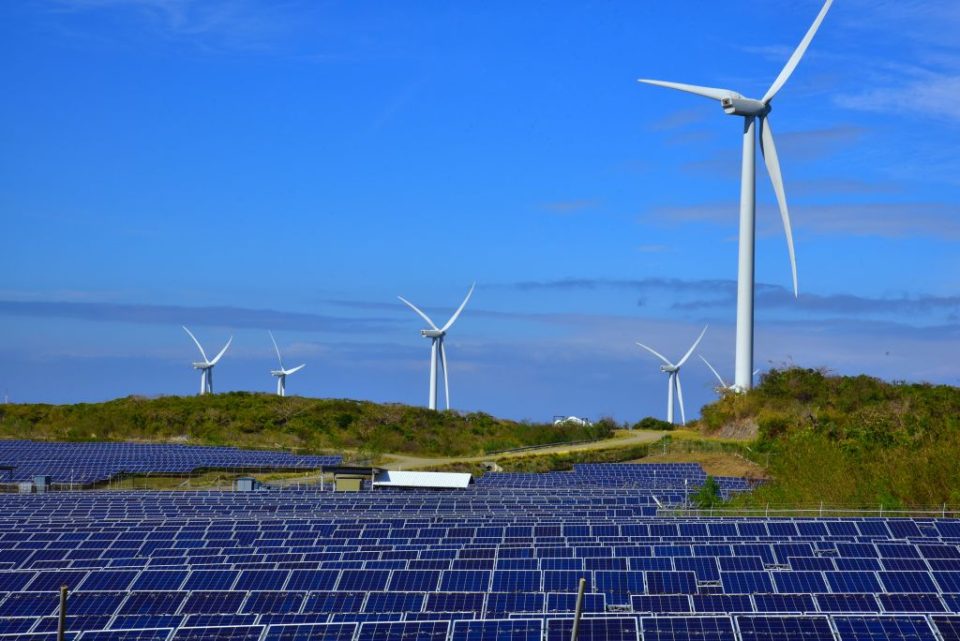
The past decade has seen a notable shift in clean energy investment, especially in emerging markets, but the story is far from straightforward. While the global push for renewables has accelerated, the reality on the ground in many developing economies remains complex, marked by both progress and persistent challenges. The anniversary of the Paris Agreement offers a moment to reflect on what has changed and what still needs to be addressed.
Clean energy investments in emerging markets have grown substantially since 2015, with solar power leading the charge. According to Bloomberg New Energy Finance report, investment in renewables in these regions, excluding mainland China, has nearly tripled over the past ten years, with solar projects accounting for the bulk of new capacity. This surge is driven by falling technology costs, supportive policies, and a growing recognition of the benefits of decentralized energy systems. Small-scale solar and distributed generation have become increasingly common, especially in areas where grid access is limited or unreliable.
Despite these gains, funding gaps remain wide. Many emerging markets, particularly in Africa and parts of Asia, still struggle to attract the capital needed to scale up clean energy projects. The International Energy Agency (IEA) reports that while global clean energy investment is set to reach $2.2 trillion in 2025, only a small fraction of this flows to the regions that need it most. In Africa, for example, clean energy investment is just 2% of the global total, even though the continent represents 20% of the world’s population. Currency volatility, high borrowing costs, and political instability continue to deter investors, making it difficult for local banks to finance renewable projects.
Policy frameworks in emerging markets are also a mixed bag. Some countries have made strides in establishing clear renewable energy targets and streamlining permitting processes, but others lag behind, creating uncertainty for investors. The withdrawal of certain U.S. government subsidies, such as those under the Inflation Reduction Act, has further complicated the landscape, removing incentives that once supported green projects in developing economies. As a result, the pace of clean energy adoption varies widely, with some nations advancing rapidly while others face stagnation.
The implications of these trends are significant. On one hand, the growth of clean energy in emerging markets offers a pathway to sustainable development, improved energy security, and better living standards for millions. On the other hand, the persistent funding gaps and policy challenges threaten to lock in fossil fuel dependence and hinder progress toward global climate goals. Addressing these issues will require a multi-dimensional approach, including stronger policy frameworks, innovative financing mechanisms, and greater international cooperation.
Looking ahead, the choices made today will shape the energy future of emerging markets and, by extension, the global trajectory toward sustainability. The anniversary of the Paris Agreement serves as a reminder that while progress has been made, much work remains to ensure that clean energy investments reach those who need them most.
