
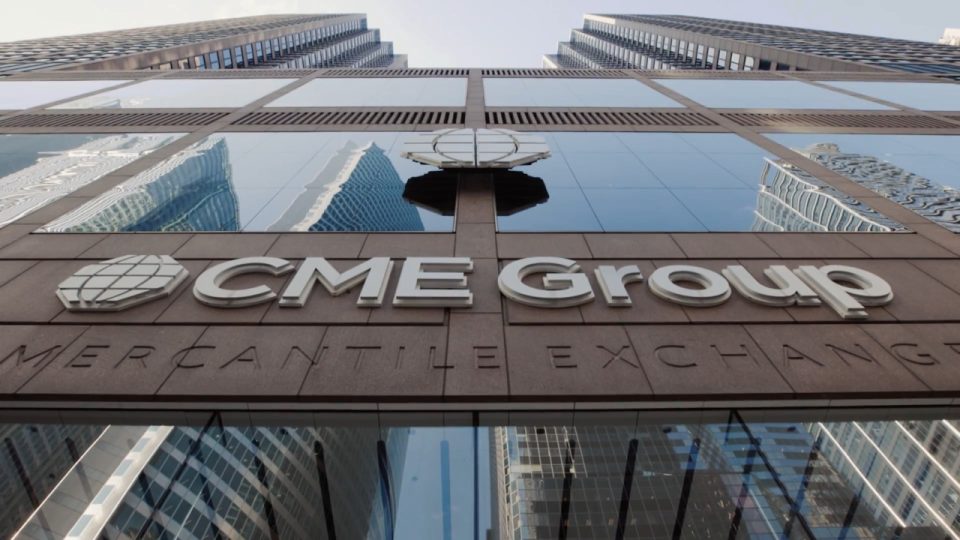
Gold and silver prices slipped on Wednesday after CME Group, Inc. (NASDAQ: CME), one of the world’s largest operators of commodities exchanges, announced yet another increase in margin requirements for precious metal futures. The company released the update on Tuesday, explaining that the move followed a routine review of market volatility to make sure traders have enough collateral to cover potential losses. For readers new to futures trading, this kind of adjustment might seem like background noise, but it plays a key role in keeping markets from spiraling during turbulent times.
Margin requirements work like a security deposit in futures contracts. Traders agree to buy or sell a set amount of gold, silver, platinum, or palladium at a future date for a price locked in today. Since those prices can shift fast, exchanges demand upfront cash or assets from both buyers and sellers to guard against defaults. When volatility picks up, meaning prices bounce more than usual, CME Group raises these margins so traders must tie up more money to hold positions. This latest hike, effective after Wednesday’s close, hits gold, silver, platinum, and palladium contracts and marks the second such change in a week.
Think of it this way: higher margins raise the entry cost for speculation. A trader controlling a large silver contract might now need thousands more dollars per position, forcing some to cut back or exit entirely. That reduces overall leverage in the market, where borrowed money amplifies bets. Silver, which hit over $82 per ounce earlier in the week before dropping toward $70, saw the sharpest swings, with futures down nearly 10% by Wednesday. Gold eased too, from peaks above $4,580 an ounce, as the tighter rules prompted position unwinding. These shifts highlight how exchanges use margins to cool overheated trading without picking sides on price direction.
History offers clear lessons on this dynamic. Back in 2011, silver rocketed from around $8.50 to nearly $50 an ounce amid low interest rates and economic worries. CME Group responded with five margin hikes over nine days near the top, squeezing leveraged traders and sparking a 30% plunge in weeks. A similar pattern played out in 1980 during the Hunt brothers’ failed attempt to corner the silver market, where rapid margin increases helped burst the bubble. In both cases, the moves exposed overextended positions and restored balance, though they rattled short-term players. This week’s actions echo that playbook, coming after silver more than doubled in 2025 and gold gained 65%, fueled by mine supply squeezes, solar panel demand, and geopolitical strains.
The significance goes beyond immediate price dips. These hikes signal that CME Group sees elevated risk from recent wild swings, even as 2025 wraps up with precious metals at historic highs. For newcomers, margins act as a market thermostat: they prevent small shocks from cascading into crises by ensuring participants can weather storms. Traders on tight budgets face higher hurdles, potentially thinning liquidity and amplifying moves in either direction. Larger players, like hedge funds or central banks, often adapt by adding capital, viewing the change as routine risk management.
Broader implications touch everyday investors too. Gold and silver futures influence spot prices that jewelers, manufacturers, and portfolio holders track. When margins climb, it can slow momentum in bull runs, creating pauses that let fundamentals like industrial demand or inflation fears catch up. Exchanges stay neutral on outlooks; they just enforce rules to protect the system’s integrity. This round underscores a timeless truth in commodities: big gains often invite guardrails to keep the game fair.
Precious metals markets will keep evolving with global forces, but tools like margin adjustments ensure they bend rather than break under pressure. Traders adapt, prices find new footing, and the cycle continues, reminding everyone that stability demands vigilance.
