
[stock_market_widget type=”card” template=”basic2″ assets=”BARN.SW” realtime=”true” api=”yahoo-finance”]
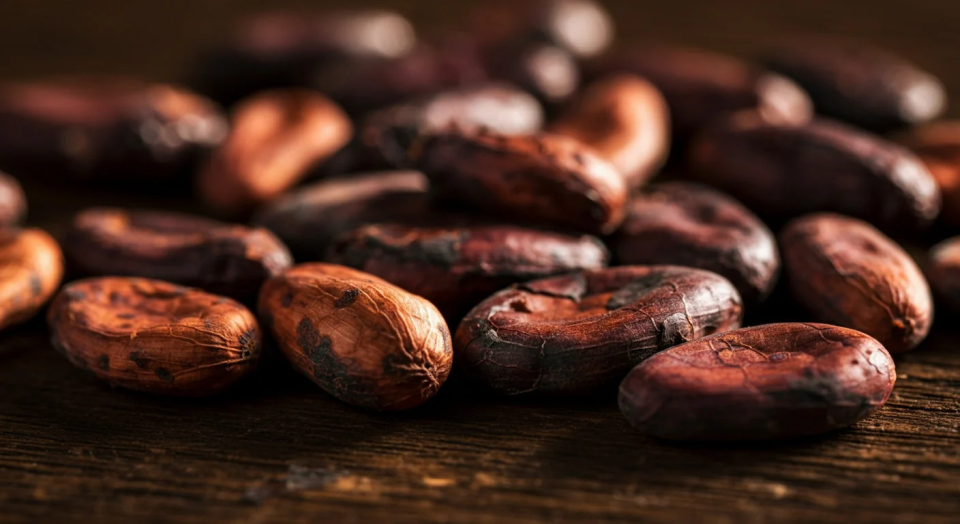
Let’s talk about the chocolate industry, a sector that touches everyday treats from candy bars to gourmet desserts. Companies like Barry Callebaut AG (SIX: BARN.SW) turn raw cocoa beans into the chocolate that fills supermarket shelves and bakery displays around the globe. Recently, Barry Callebaut shared news that shook investors: the company lowered its outlook for operating profit, now expecting a drop in the mid-teens percent range for the fiscal year. This comes amid supply chain hiccups and too much production capacity across the board.
Barry Callebaut stands as the world’s biggest maker of chocolate by volume, supplying giants that produce your favorite brands. The firm pointed to two main issues. First, supply concerns stem from the ongoing conflict in Iran, which disrupts shipping through the Strait of Hormuz, a key route for cocoa vessels from West Africa. Cocoa beans, mainly grown in Ivory Coast and Ghana, face delays and higher costs as rerouting adds time and expense. Second, industry overcapacity means factories built during high-price years now sit underused as demand softens.
These problems do not stop at Barry Callebaut. The whole industry grapples with a cocoa market that swung wildly. Prices hit records above $10,000 per metric ton in late 2024 due to poor harvests from disease and weather. Now, with better crops and weaker buying, prices have crashed below $6,000 per ton, creating a glut. Manufacturers locked into high-cost contracts from the boom era struggle as customers push back on price hikes. Easter chocolate stayed pricey despite easing bean costs, a lag explained in a VBNGtv report: Cocoa Prices Ease, Yet Holiday Chocolate Stays Pricey.
Other big players feel the pinch too. Hershey (NYSE: HSY) has warned of softer sales volumes and margin pressure from the same cocoa volatility and consumer pullback. Shoppers, hit by inflation, buy less or switch to cheaper options, leaving shelves full. Lindt (SIX: LISN.SW), the Swiss premium chocolatier known for Lindor truffles, reported recent quarters with volume dips despite revenue gains from earlier price passes. Both highlight how overcapacity and demand weakness spread pain beyond Barry Callebaut.
Zoom out to the broader picture. The chocolate supply chain starts in West Africa, where 70% of cocoa grows on small farms facing poverty and climate risks. Ghana and Ivory Coast set farmgate prices ahead, now above market rates, sparking buyer hesitation and payment delays for 800,000 farmers. Processors like Cargill and Olam Food Ingredients echo public firms in cutting output to match reality. In Europe and the U.S., brands shrink bars or blend with substitutes, but consumers notice and react.
This overcapacity arose from boom-time expansions. When prices soared, companies ramped up grinding capacity, expecting endless demand. But as beans flood in and chocolate sales lag 6% to 10% in key markets, factories idle. Barry Callebaut’s shares tumbled 17% on the announcement, mirroring drops at peers. Recurring operating profit for its first half fell 4.2% to $354 million (CHF 310.9 million), offset by volume losses despite strong processing margins earlier.
Consumers see indirect effects. Chocolate prices rose 10% to 20% last year but stabilize slowly. Brands innovate with trends like cleaner labels or low-sugar options to lure cautious buyers. Yet structural shifts loom: ethical sourcing demands and potential U.S. tariffs on imports add layers.
Companies now focus on debt reduction and efficiency. Barry Callebaut aims to deleverage below 3.5 times EBITDA while eyeing second-half recovery. Hershey trims costs, Lindt bets on premium lines. The industry pivots from volume chasing to value focus, waiting for cocoa stabilization and renewed appetite. As supply balances with true demand, chocolate makers hope to melt away these bitter challenges.
