
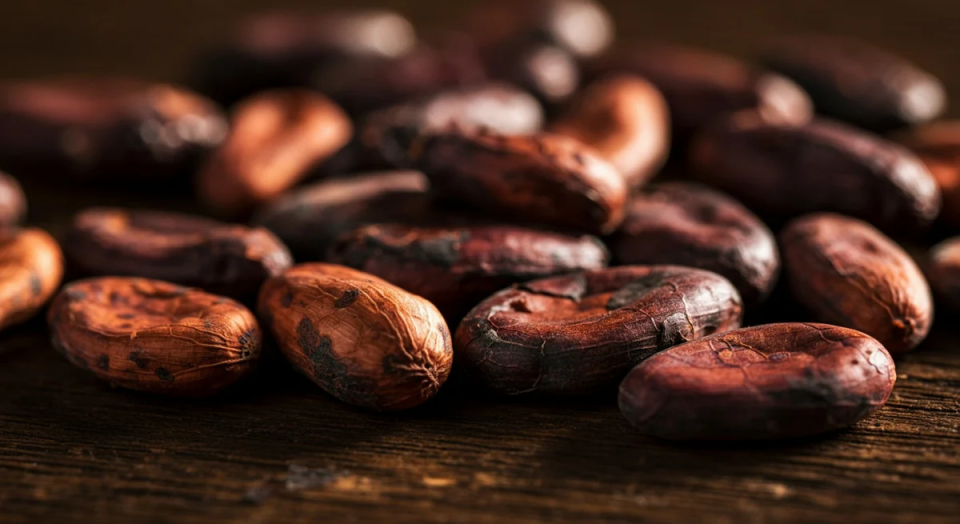
Chocolate bars are still getting pricier for Easter, even though cocoa, the main ingredient, has plunged from its record highs in 2024 to around $3,300 to $3,500 per ton in early 2026. The backdrop is a familiar one for consumers: raw-material costs have softened, but the candy on the shelf does not feel like it has followed suit. For a business-channel reader, the story is less about the headlines on cocoa futures and more about how manufacturers are navigating cost, timing, and consumer expectations.
Cocoa futures have come down sharply from levels above $12,000 per ton in late 2024, as better weather and improved harvests in West Africa have eased the supply crunch. Ghana and Ivory Coast together supply roughly 60% of global cocoa, and several consecutive years of poor yields had pushed the market into a steep supply deficit, which then unwound as crops recovered. Demand has also cooled, as higher chocolate prices dampened volume growth, so the drop in cocoa looks like a combination of restored supply and weaker demand.
What this means for chocolate makers is a temporary relief in input costs, but not an immediate reset at the cash register. Large companies often buy cocoa far in advance, locking in prices during the 2024–2025 peak, so the current lower spot prices mainly benefit players with shorter-term contracts or more flexible buying strategies. As a result, the benefit of softer cocoa has yet to translate into proportionate price cuts on the confectionery shelves.
The Hershey Company (NYSE: HSY) has been one of the most vocal about how record-high cocoa costs eroded its margins in 2024 and 2025, prompting a double-digit average price increase across its chocolate portfolio. Those increases have carried through into 2026, meaning that even as cocoa prices ease, Hershey is not quickly rolling them back, especially given the timing of its contracted cocoa purchases.
Nestlé has also raised chocolate prices in key markets, including the U.S., to offset sustained high cocoa costs, even as the company notes that volume growth has weakened. Nestlé’s strategy has been to push higher prices into the system while leaning into premium and value-oriented formats to hold share.
Lindt has been even more aggressive on pricing, with reports indicating an average increase of roughly 19% in 2025 alone to cover soaring ingredient costs. The company has since reported solid sales growth, but with a noticeable decline in volume, suggesting consumers are buying fewer units at higher prices. Across these three players, the pattern is consistent: once manufacturers pass through large cost increases, they are slow to reverse them, especially when cocoa volatility remains a live risk.
Even as cocoa contracts have eased, Easter-season chocolate prices have edged up. National data show that candy-related categories, including chocolate, have risen about 11.6% over the past year, according to the U.S. Bureau of Labor Statistics January-to-February CPI breakdown. That is well above the U.S.-wide inflation rate of 2.4% for the same period, which includes food and energy. The result is that Easter baskets in 2026 are coming with higher price tags and, in some cases, smaller bars or reshaped packages as manufacturers try to keep unit prices from shocking consumers too abruptly.
From a corporate-cost perspective, the explanation is straightforward timing. Much of the chocolate destined for Easter 2026 was produced using cocoa bought at or near the 2024–2025 peaks, so the immediate benefit of lower futures prices has not yet flowed through the pipeline. Many large confectioners have also negotiated price increases with retailers and are reluctant to slash them quickly, which would undercut margins or invite a race for value-brand products.
For U.S. shoppers, Easter is becoming both a costlier and a larger-ticket occasion. The National Retail Federation, in collaboration with Prosper Insights & Analytics, projects that Easter spending in 2026 will reach about $24.9 billion, a new record and a 5.5% increase from the prior record set in 2023. Within that total, food spending is expected to account for roughly $7.5 billion, while candy is highlighted as the leading category, with an estimated $3.5 billion in total outlays.
Candy is also one of the inflation-heavier sub-categories. The Bureau of Labor Statistics notes that the index for “candy and chewing gum” alone rose 11.6% year-on-year through February 2026, reinforcing why Easter chocolate feels more expensive even if cocoa prices have cooled. At the same time, surveys embedded in the NRF data indicate that more consumers are turning to discount and club-warehouse channels, suggesting that many households are trying to stretch their dollars while still wanting to mark the holiday.
Looking ahead, the interplay between cocoa prices and consumer spending points to a sector that is still adjusting to a more volatile cost environment. J.P. Morgan Global Research expects cocoa to remain structurally higher than pre-2024 levels, even after the recent pullback, with a medium-term range around $6,000 per ton rather than the $3,000–$4,000 levels seen in 2026. If that materializes, manufacturers will likely stay cautious about how far they cut prices, instead focusing on reformulation, pack-size changes and selective discounting to manage both margins and shopper perception.
The lesson is not just about cocoa as a commodity, but about how long-term contracts, hedge-driven procurement and consumer-facing pricing create a lag between input-cost reality and shelf-price reality. As Easter 2026 unfolds, many U.S. households will end up spending more on chocolate-related products, even as the underlying bean price has fallen, reflecting the anatomy of a modern food-manufacturing cycle under pressure.
