
A few years back, companies raced to build the metaverse. They saw it as the next big thing, a blend of virtual and augmented reality where people could work, play, and connect in fully digital spaces. Tech giants poured money into hardware like headsets and software for immersive worlds. The idea caught fire around 2020, fueled by promises of new social platforms and endless possibilities. But lately, many have pulled back. The arrival of artificial intelligence changed the game. AI tools now deliver quicker returns, from chatbots to image generators, and businesses want results they can see today.
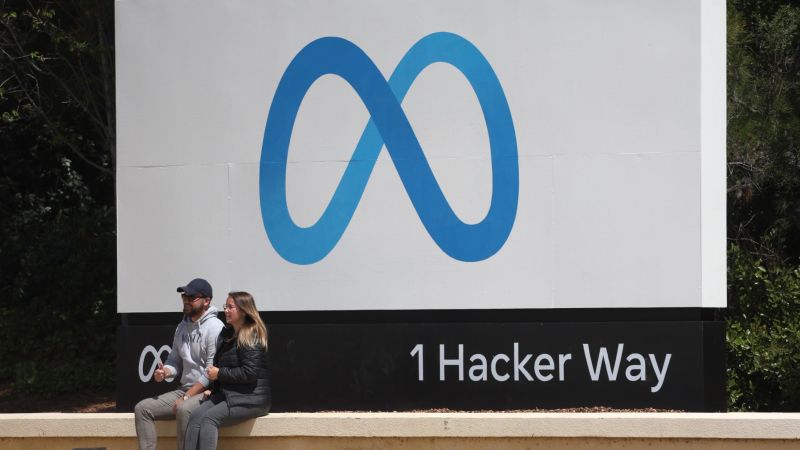
Meta Platforms, Inc. (NASDAQ: META) offers a clear example. Its Reality Labs division, home to 15,000 workers focused on virtual reality headsets like the Quest line and virtual social spaces, plans to cut 10% of those jobs. This move hits teams building the metaverse products at the heart of founder Mark Zuckerberg’s long-term vision. Since 2020, Reality Labs has spent $60 billion chasing a profitable digital world. While partnerships like Ray-Ban smart glasses boosted the brand, demand for full immersive environments stayed low. Layoffs could start as early as this week, signaling a reduced focus there.
Other firms followed suit. Microsoft scaled back its metaverse push after buying Activision Blizzard. It closed studios tied to virtual world projects and shifted staff to AI efforts, like integrating ChatGPT into Bing and Office tools. The company once hyped “the metaverse” in earnings calls, but recent updates barely mention it. Instead, AI integrations drive growth, with features like Copilot helping users automate tasks.
Disney paused its metaverse plans too. The entertainment giant built a virtual land called Partners in Park with Meta, aiming to let fans explore digital versions of its theme parks. But in 2024, Disney ended that effort early. Leaders cited high costs and slow user uptake. Now, the company explores AI for content creation, such as generating animations or personalizing viewer experiences on its streaming service.
Nike dialed back its metaverse work as well. It launched Nikeland on Roblox, a virtual space for sneaker drops and events. Sales there disappointed, so Nike cut back on Web3 and virtual goods teams. Resources moved to AI-driven retail tools, like apps that recommend shoes based on gait analysis from phone cameras. This lets the brand connect with customers in the real world faster.
Even smaller players felt the shift. Matterport, which scans real spaces into 3D models for virtual tours, saw its stock drop as metaverse talk cooled. The firm now highlights AI to enhance its platform, like auto-editing scans or spotting issues in buildings. Investors reward the change with steadier interest.
What drove this turn? The metaverse needed heavy upfront spending on hardware few wanted. VR headsets stayed niche, with high prices and motion sickness complaints. Building social platforms meant competing with free apps like TikTok or Discord. Meanwhile, AI boomed without such barriers. Tools like generative models from OpenAI exploded in use, powering everything from ad copy to drug discovery. Companies saw revenue spikes, with AI markets projected to grow 37% yearly through 2030. Metaverse bets offered vague futures; AI brought tools to sell now.
Businesses still eye virtual tech, but selectively. Smart glasses or mixed reality for training hold promise. Meta keeps some Reality Labs work, just leaner. The lesson rings clear: chase what works. AI fits daily operations, from customer service to analytics. Firms that jumped on the metaverse early learned to adapt when results lagged.
This pivot reshapes tech priorities. Resources flow to AI startups and hires. Conferences once packed with VR demos now feature AI ethics talks. Think of it as reallocating a budget, the metaverse was an exciting line item, but AI proved itself essential. Companies balance bold visions with practical gains, and the industry moves on.
