
[stock_market_widget type=”card” template=”basic2″ assets=”AMZN” realtime=”true” api=”yahoo-finance”]
Amazon (NASDAQ: AMZN) recently stepped into the fast-growing world of GLP-1 drugs, those medications that help people manage weight by mimicking hormones that control hunger and blood sugar. Through its One Medical primary care service and Amazon Pharmacy, the company now offers a program that weaves obesity treatment right into everyday doctor visits. This move comes as demand for these drugs surges, with millions seeking help for weight issues that affect health in big ways. Patients can book virtual or in-person appointments, get prescriptions handled smoothly, and have meds delivered fast, all while treating weight as an ongoing part of health care, not just a quick fix.
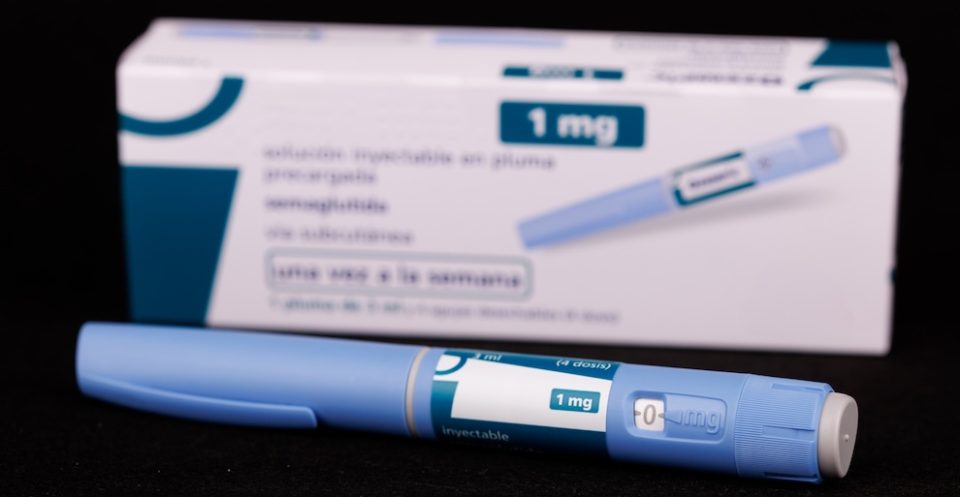
GLP-1 stands for glucagon-like peptide-1, a natural gut hormone that tells your brain you feel full and helps regulate insulin. Drugs like semaglutide, found in brands such as Ozempic and Wegovy from Novo Nordisk A/S (NYSE: NVO), or tirzepatide in Eli Lilly (NYSE: LLY) products like Mounjaro and Zepbound, tap into this system. They slow digestion, cut appetite, and lead to steady weight loss, often 15-20% of body weight over time when paired with diet changes. What started as diabetes treatments has exploded into obesity care, pulling in patients who want sustainable results over fad diets.
The market for these drugs keeps expanding at a rapid clip. Experts project the obesity GLP-1 segment alone could reach $66.57 billion by 2035, growing at about 23% each year from now. In the U.S., where over 40% of adults deal with obesity, access has been a hurdle: high costs without insurance, supply shortages, and doctor shortages. Pharma leaders like Novo Nordisk and Eli Lilly dominate with weekly injections that cost $1,000 a month or more out of pocket, though they ease symptoms like heart risks too. Amazon’s entry aims to fix some of that by making care feel routine.
Here is where pricing grabs attention. With insurance, Amazon promises GLP-1 plans starting at just $25 a month, a fraction of usual copays that can hit hundreds. For those paying cash, options begin around $149 monthly for oral versions or $299 for injectables, still lower than retail pharmacy prices. This covers the visit, prescription review, and delivery through Amazon Pharmacy, which handles 30-day supplies quickly. The program checks eligibility first, ensures safe starts with lab work if needed, and follows up regularly to adjust doses and track progress. Such low entry points could pull in more people wary of costs, boosting overall use.
Not everyone cheers this news. Shares of Hims & Hers Health (NYSE: HIMS), a telehealth firm offering compounded GLP-1s at low prices, dropped 6% the day of the announcement as traders worried about Amazon’s scale. Hims & Hers Health stock falls after Amazon. Viking Therapeutics, Inc. (NASDAQ: VKTX), developing its own VK2735 GLP-1 candidate, saw shares slip too amid fears of crowded competition. Even giants like Eli Lilly and Novo Nordisk dipped 2-3%, hinting at concerns over cheaper rivals eroding premium pricing.
Amazon’s approach differs by blending care into primary visits, not standalone telehealth. One Medical members get obesity talks during routine checkups, with nurses and doctors guiding long-term plans. This holistic view tackles side effects like nausea or muscle loss better than prescriptions alone. For businesses like yours covering small-caps, watch how this pressures nimble players in compounding or digital health. They must innovate on personalization or niches to compete with Amazon’s reach.
Access improvements stand out too. Before, getting GLP-1s meant specialist waits or self-pay hurdles; now, Amazon speeds it up for its 1.5 million One Medical users, with plans to expand nationally. Oral pills avoid needles, appealing to hesitant starters. As supply chains stabilize, more patients mean bigger data on real-world use, refining treatments. This shift could make GLP-1s as common as statins for cholesterol.
Broader ripples touch insurance and policy. Lower costs might cut employer health bills, with some firms already covering Wegovy. Regulators watch compounding pharmacies closely after shortages, pushing legit channels like Amazon. For investors eyeing health stocks, balance growth bets with rivalry risks.
The GLP-1 world now feels more open, blending tech convenience with medical rigor. Patients gain easier starts, companies face tougher fights, and the market swells. Keep eyes on how access evolves; it could redefine wellness for years
