
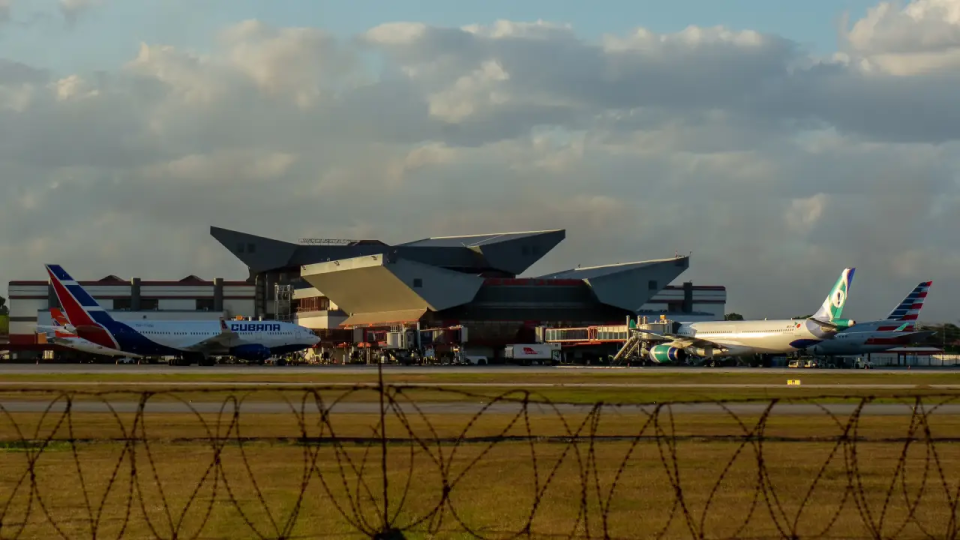
A fuel shortage in Cuba has led the government to bar international airlines from refueling at its airports, a change that took effect this week. This decision stems from ongoing energy challenges on the island, intensified by U.S. President Trump’s recent policies. The ripple effects could soon touch airlines operating in the Caribbean and beyond.
The story begins with Cuba’s dependence on oil from places like Venezuela. For years, that supply kept things running, including aviation fuel for planes stopping over. But recent U.S. actions changed the game. After the U.S. captured Venezuelan President Nicolás Maduro early this year, oil flows to Cuba dried up fast. Trump followed up with threats of 30% tariffs on any country sending oil to Cuba, whether directly or through back channels. Nations like Mexico paused their shipments to avoid those economic hits, leaving Cuba scrambling. Cuban officials blame this pressure for their empty fuel tanks at all nine international airports, from Havana’s main hub to smaller ones like Varadero and Santiago de Cuba. The ban on refueling will last at least until mid-March, according to notices sent to airlines.
Now, picture what this means for airlines that count on Cuba as a quick stop. Some carriers use the island for refueling on longer routes across the Americas, especially flights heading south from the U.S., Europe, or even further afield. American Airlines Group Inc. (NASDAQ: AAL), for instance, operates frequent flights to Havana from Miami and other U.S. cities. While they fly direct most of the time, any longer hauls or backups might have leaned on Cuban stops in the past. Copa Airlines from Panama and Mexican carriers like Aeroméxico also pass through Cuban airspace or airports, sometimes topping up fuel there to save time and costs on routes to South America. European airlines such as Air Europa have Havana links too, and Spanish flag carrier International Consolidated Airlines Group S.A. (LSE: ICAG) might factor in such stops for transatlantic efficiency. Air Canada has already cut back services to Cuba and is prepping alternate plans, showing how real the pinch is.
These airlines now face extra hurdles. Refueling elsewhere means longer routes or detours, burning more fuel overall and driving up operating costs on affected legs, depending on distance. Take a flight from Toronto to Buenos Aires: skipping Cuba could force a stop in Nassau or even backtracking to Florida, adding hours and expenses. Safety rules require enough fuel for the trip plus reserves, so pilots must plan conservatively. Delays pile up too, as planes wait for spots at busier alternate airports like those in the Bahamas or Jamaica. Passenger frustration grows with cancellations or reroutes, hurting bookings to Cuba itself, where tourism was already shaky. Smaller regional carriers feel it worst, lacking the big fleets to pivot quickly.
Cuba’s government issued NOTAMs, those official aviation alerts, spelling out “JET A1 FUEL NOT AVBL” across the board. This affects everyone from U.S. majors to Latin American budget lines. Airlines are responding by fueling up before arrival or after departure, leaning on neighbors. Mexico’s President Claudia Sheinbaum talked humanitarian aid, but that’s not fixing jets anytime soon. Cuban leaders, including Foreign Minister Bruno Rodríguez Parrilla, call it U.S. blackmail, while Trump frames it as pushing for a freer Cuba. Talks might happen, but for now, the skies stay tense.
Airlines have options, yet none are simple. Bigger players like Delta Air Lines, Inc. (NYSE: DAL) or LATAM Airlines Group S.A. (SSE: LTM) can absorb hits by shifting crews and maintenance. But frequent flyers to the region notice the squeeze through higher fares or fewer choices. Cargo haulers moving goods across the Caribbean also reroute, slowing supply chains for perishables and parts. Over time, this could shrink Cuba’s air traffic, cutting a key revenue source for the island at a moment when blackouts and rationing already strain daily life.
The fallout underscores how geopolitics tangles with everyday business. Airlines built routes assuming reliable stops like Cuba, but sudden bans force quick math on fuel, time, and money. Regional hubs gain traffic, easing some pressure elsewhere, yet the uncertainty lingers. As Cuba hunts new oil deals and airlines test workarounds, flights keep moving, just not as smoothly.
