
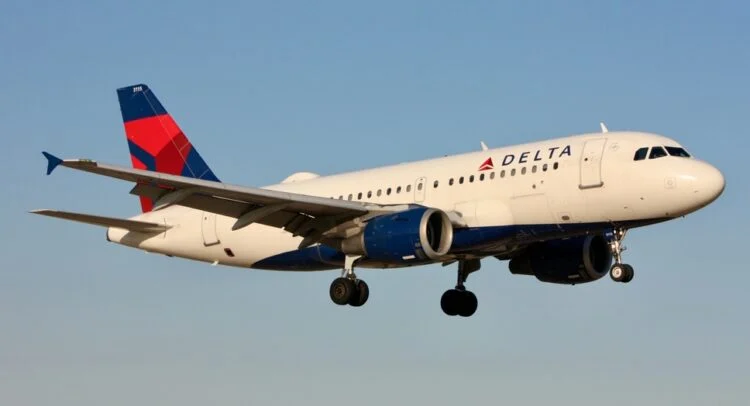
The U.S. government has ordered Delta Air Lines (NYSE: DAL) and Mexico’s Grupo Aeromexico to dissolve their joint venture by January 1, marking an end to an alliance that has allowed the two carriers to coordinate schedules, pricing, and capacity for flights between the U.S. and Mexico for nearly a decade. The order comes from the Trump administration’s U.S. Department of Transportation, which has repeatedly voiced concerns over the partnership’s impact on competition and the aviation market in Mexico City.
The joint venture, which began in 2016, allowed Delta and Aeromexico to share revenues, manage capacity jointly, and coordinate pricing strategies. This arrangement gave the two airlines a dominant presence on routes connecting the U.S. and Mexico, accounting for about 60% of passenger flights from Mexico City airport to U.S. destinations, which is the fourth-largest international gateway into the United States. While the Biden administration also considered ending the venture earlier this year, the Trump administration finalized the decision to revoke the antitrust immunity that protected the joint venture.
The Transportation Department framed the move as necessary to address “ongoing anticompetitive effects” in the U.S.–Mexico City markets, which it said created an unfair advantage for Delta and Aeromexico and caused harm to consumers and market stakeholders. The department highlighted that these anticompetitive practices hinder a level playing field for other airlines vying for slots and market share in Mexico City. That airport’s limited capacity has been a source of friction, intensified by Mexican government policies restricting flights at the primary Mexico City airport, Benito Juárez International Airport, in favor of shifting some traffic to the less busy Felipe Ángeles International Airport. The U.S. government sees these restrictions as protective measures favoring Mexico’s state-owned airline, Mexicana de Aviación, further complicating the competitive dynamics.
Despite ending their joint operational venture, Delta will retain its 20% equity stake in Aeromexico, allowing it to maintain substantial financial ties to the Mexican carrier but without the privileged collaboration on flight operations and pricing. Both airlines have expressed disappointment in the decision. Delta indicated that the termination of the venture “will cause significant harm to U.S. jobs, communities, and consumers traveling between the U.S. and Mexico.” Aeromexico similarly stressed the benefits the venture brought to travelers and tourism on both sides of the border and stated that flights on each other’s planes and the reciprocal frequent flyer program agreements would continue despite the dissolution of the joint business.
Industry analysts expect this shift will lead to changes across dozens of routes that the carriers operate in tandem. With the joint venture ending, there could be reduced flight options and potentially higher fares on certain popular cross-border routes such as New York to Mexico City and Los Angeles to Cancún. Aeromexico, which is still recovering from a restructuring following its bankruptcy, faces a tough challenge as it tries to compete independently against larger U.S. airlines like United and American, which have their own alliances and partnerships in the region.
Delta has indicated it may pursue legal challenges to the order, arguing that their collaboration has increased competition and consumer choice rather than reduced it. The airline described the joint venture as vital for the U.S.-Mexico air travel market and sounded a warning that breaking it up would cause disruptions that hurt passengers. The U.S. Department of Transportation has suggested that if market conditions change, Delta and Aeromexico could apply once again for approval to collaborate more closely, but for now, the joint venture will end on the government’s timetable.
This development adds another layer to the ongoing complexities of U.S.-Mexico aviation relations, including recent disputes over flight slot allocations and broader trade tensions between the two countries. It reflects the U.S. government’s broader strategy of increasing scrutiny over foreign aviation and trade practices it considers unfair, including potential moves against other countries for airport restrictions.
