
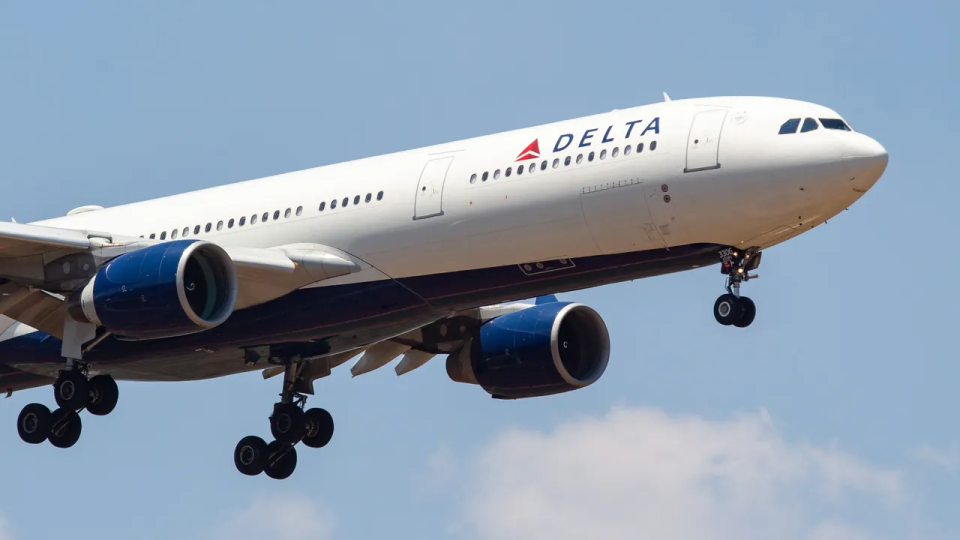
Delta Air Lines, Inc. (NYSE: DAL) has joined United Airlines (NASDAQ: UAL) and JetBlue Airways Corporation (NASDAQ: JBLU) in raising checked-bag fees, nudging passengers to pay more for the same piece of luggage they booked last week. The airline will increase the fee to check a bag by $10 for tickets purchased starting tomorrow, building on already higher levels that many frequent travelers have already absorbed into their budgets.
For a typical round trip, Delta’s standard first checked bag will now cost $90, with the second bag rising to $110 each way in many cases. On longer-haul international routes, where at least one free bag is often included, the changes are less visible but still part of a broader pattern of airlines tightening what they charge for extras. Travelers who rely on co-branded SkyMiles credit cards or Medallion status can still avoid some of these fees, yet the move still pushes the baseline cost of checking luggage upward for occasional flyers and families.
The timing is no coincidence. Jet fuel prices have roughly doubled since the start of the Iran war and related disruptions to Middle East shipping lanes, rising from about $2.40 per gallon to around $4.70 per gallon in a matter of months. For large carriers such as Delta Air Lines, United Airlines and JetBlue, fuel is one of the top two expenses, accounting for roughly 25% to 30% of operating costs in normal markets. When those prices spike, airlines either accept lower margins or find ways to pass some of the burden back to customers.
Baggage fees are an especially tempting lever for several reasons. Ticket-related excise taxes in the U.S. do not apply to optional charges such as baggage or seat selection, so higher fees can boost revenue without carrying the same tax burden as higher base fares. Over the past two decades, airlines have steadily unbundled their fares, turning what used to be included in the ticket, like meals, advance seat selection, and checked bags, into separate line items. Once those fees are embedded, they rarely retreat even if fuel prices ease, which is why travelers often see fee increases track broader industry trends rather than short-term fuel dips.
JetBlue Airways Corporation kicked off the latest wave by raising its checked-bag fees by up to $9 per bag, pushing many U.S. routes to at least $39 each way. United Airlines quickly followed with a $10 increase on most domestic, Canadian, Mexican, and Latin American routes, taking the first bag to $45 and the second to $55. Delta Air Lines, Inc.’s move makes it the third major U.S. carrier to hike bag prices in rapid succession, reinforcing a pattern where one airline’s change signals approval for others to align.
For passengers, the cumulative effect can be substantial. A family of four flying with two checked bags each way now faces an extra $160 on top of their fare, before tax and service-charge increases. Business travelers who need to check equipment or suits may find that what once seemed like a small convenience fee now feels like a meaningful chunk of their travel budget. Some companies may respond by tightening travel policies, encouraging lighter packing, or shifting meetings to video calls to avoid the extra outlay.
Behind the scenes, airlines frame these moves as part of an ongoing review of pricing and service bundles, rather than a one-off marketing stunt. Delta’s statement noted that the updates reflect evolving global conditions and industry dynamics, echoing similar language from United and JetBlue when they announced their own hikes. This pattern of passing higher fuel costs on through bag and ancillary fees is consistent with the broader trend described in VBNGtv’s recent piece, “Airlines Pass Fuel Pain to Passengers with Higher Bag Costs,” which highlighted how carriers are shifting a growing share of fuel-related pressure onto travelers rather than fully absorbing it in margins.
These changes also feed into larger economic themes. When fuel stays elevated for months, the cost shows up not only on airline balance sheets but also in the prices of goods and services that depend on air freight and travel-related spending. Hotels near airports, rental-car companies, and restaurants that cater to travelers all feel the ripple when discretionary trips get more expensive to book. At the same time, airlines remain cautious about how far they can push fees before customers start voting with their wallets and choosing alternative carriers or routes.
For travelers, the calculus is simpler. Packing light, using loyalty perks, or relying on credit cards that waive baggage fees can reduce the sting of the new tariffs on checked luggage. Airlines, for their part, are betting that passengers will tolerate slightly higher bags fees as long as routes, schedules, and basic service remain intact. The pattern suggests that, as long as fuel costs stay elevated, travelers should expect bag-fee hikes to be among the first tools airlines reach for the next time the global oil market shifts.
