
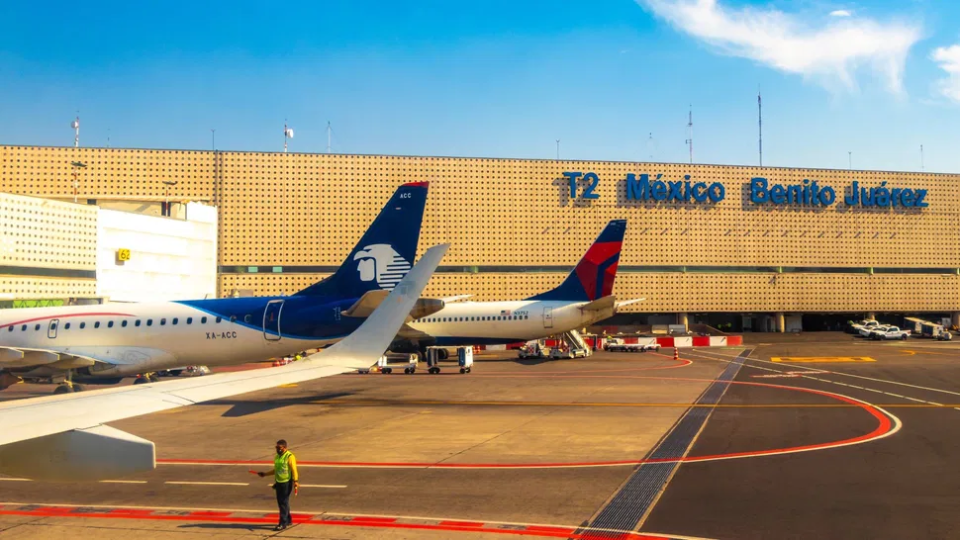
Travel between the United States and Mexico may soon get a lot more complicated, all thanks to a sharp dispute over airport access and aviation rules that has airlines and travelers alike paying close attention. This is not just another regulation update either. Over the weekend, the Trump administration stepped in with new restrictions on flights from Mexico and signaled it might unravel a nearly decade-old partnership between Delta Air Lines (NYSE: DAL) and Aeromexico.
What sparked all this drama was a mix of policy changes in Mexico and frustration on the US side about what officials are calling unfair advantages for Mexican airlines. For years, Mexico City’s Benito Juarez International served as the country’s main gateway, buzzing with flights and a constant stream of tourists. That changed when the Mexican government forced airlines to move certain passenger and cargo operations to the brand-new Felipe Angeles International Airport, more than thirty miles north of the city’s center. Delta and Aeromexico, along with a host of other airlines, suddenly saw themselves dealing with new logistics, more time on the road for ground staff and passengers, and unexpected expenses.
US officials say that move crossed the line, violating long-standing trade agreements and putting US carriers at a disadvantage. The Department of Transportation now requires all Mexican airlines to get explicit government approval before operating any large charter, passenger, or cargo flights to or from the United States, until the US feels that its airlines are being treated fairly. The restrictions start in October, and Washington has hinted they might escalate unless changes are made.
On top of the schedule approvals, there’s a much bigger threat for Delta and Aeromexico. The two airlines have worked under a special partnership that allows them to coordinate routes and share revenue across the US-Mexico border, something industry insiders call antitrust immunity. That arrangement, first approved in 2016, helped both carriers offer smoother connections and competitive choices on transborder flights.
If the US ultimately dissolves the agreement, the impact will be felt throughout the travel industry. Delta and Aeromexico argue that ending the joint venture will disrupt up to two dozen flight routes and wipe out $800 million in economic benefits for both countries, thanks to lost tourism and jobs. They have gone on record pointing out that any decision to sever ties would be punishing airlines and travelers for policy choices made by government officials, not by the companies themselves.
According to estimates published by the airlines, at least 140,000 Americans and nearly 90,000 Mexicans could decide against making the trip if direct flight options disappear. That is no small hit, especially when Mexico is the number one international destination for US travelers, with over 40 million passengers flying there last year alone.
Behind closed doors, both sides are still negotiating, with Delta calling for a reconsideration of any breakup. Aeromexico is reviewing the US order and has indicated it will present a united front with its US partner in the coming days. But for now, the order stands: unless things change quickly, Delta and Aeromexico will need to start winding down their joint venture by late October, just as the busy winter holiday travel rush begins.
It is worth noting that the dispute is not solely about who gets to land where. US officials have been frustrated by what they describe as a lack of transparency and a confusing slot allocation process at Mexico’s airports. They argue this hurts not just American airlines, but newer market entrants and customers who rely on regular air cargo for business.
Felipe Angeles International Airport, which opened to civilian traffic in 2022, was designed to reduce congestion at Benito Juarez International and model a more modern approach to air travel for the region. But the sudden, forced shift to the new hub has created headaches for international carriers less familiar with the facility and its logistics. While Felipe Angeles has quickly gained status as a prominent cargo hub and seen a surge in passenger numbers, it is still more than 30 miles outside central Mexico City, and the challenge of moving large groups of travelers and goods back and forth has sparked plenty of debate.
In the meantime, if you are planning to travel between the United States and Mexico in the next year, keep your eyes open for updates, and maybe brace for longer lines at a brand-new airport you have never visited.
