
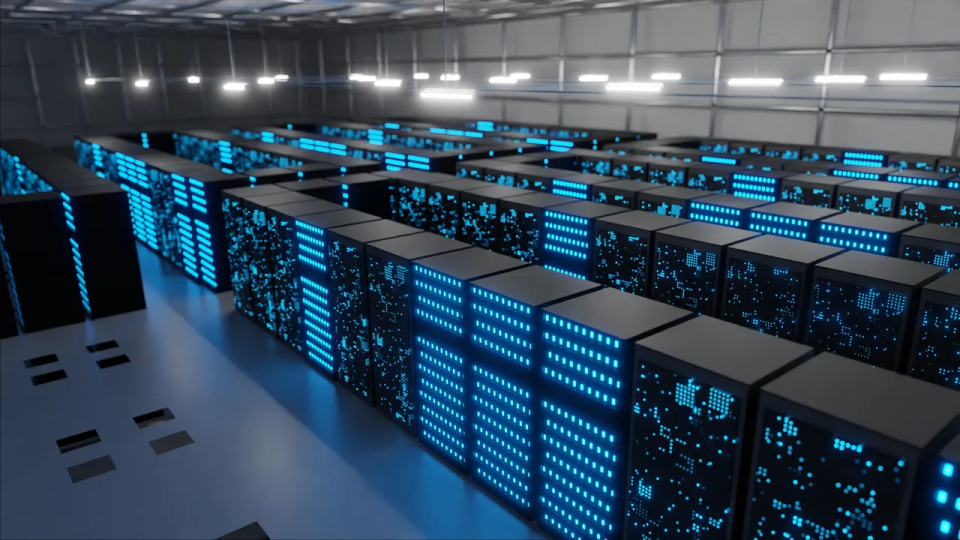
Energy-intensive AI data centers are making a noticeable impact on residential electricity bills in the U.S., driving prices higher and raising concerns among consumers and energy regulators alike. These vast facilities, filled with thousands of servers running complex AI models, are consuming rapidly growing amounts of electricity, contributing significantly to rising power costs for everyday households.
At the heart of the issue is the soaring demand for electricity to power advanced AI data centers, which is outpacing the capacity of existing power grids. According to the U.S. Department of Energy, data centers could consume between 6.7% and 12% of the nation’s total electricity by 2028, reflecting a 44% increase over recent years. Wholesale electricity costs near major data center hubs have surged by as much as 267% compared to five years ago. This spike in prices is passed on to utility customers through their monthly bills, even impacting households not located near these centers because they share the same electrical grids.
The technical reasons behind the outsized electricity consumption start with the AI workloads themselves. Training large AI models requires enormous computational power, with data centers operating thousands of high-performance servers simultaneously. These servers run 24/7, generating intense heat that must be managed with equally power-hungry cooling systems to prevent overheating and maintain performance. In many cases, AI data centers can consume up to 10 times more electricity than typical data centers. This energy-intensive infrastructure demands constant and reliable power, putting pressure on regional grids and requiring upgrades to transmission facilities and substations.
The ripple effects on residential customers are significant. Utilities in states with many AI data centers, such as Virginia, Texas, and Oregon, are already requesting regulatory approval to raise electricity rates to fund the infrastructure improvements necessitated by this growing demand. In some areas, these costs translate into monthly residential bill increases of about $20 or more. Additionally, during peak demand periods, particularly in hot climates, residential consumers may face surcharges or higher rates. This trend disproportionately affects low- and middle-income households, raising concerns about energy affordability and equity.
Efforts are underway in some states to balance the rising costs and assign the financial responsibility to the energy-intensive data centers rather than solely residential users. For example, Oregon has passed legislation requiring data centers to pay for the actual strain they place on the electrical grid, aiming to shield homeowners from bearing the full cost. However, such measures are not yet widespread, and the rising demand for AI computing power means the energy challenge will likely deepen in the coming years.
The growth in AI-driven electricity consumption represents a new challenge for the U.S. energy market. While these data centers enable cutting-edge technological advancement and economic opportunities, the accompanying surge in power needs is reshaping the electricity landscape. As the demand for AI services and products continues to climb, so will the pressure on grids and the utility bills of millions of residential consumers across the country.
