
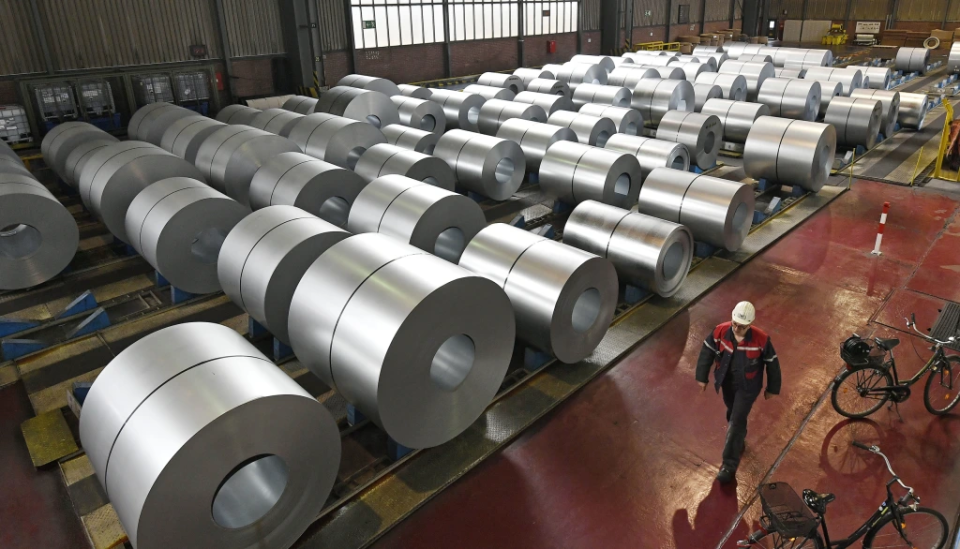
The European Union is set to raise steel tariffs in a move that promises to ripple across global markets, altering trade dynamics and stirring reactions among leading steel producers and industries worldwide. The European Commission’s proposal aims to shield the EU’s steel sector from what it describes as unfair competition, primarily pointing to the surge of steel products from China. This development has significant consequences not just for European markets but also for U.S. producers and the broader global steel trading landscape.
At the heart of the EU’s proposal is the intent to increase import duties on certain steel products, a step intended to curb the inflow of cheaper steel that is seen to undercut domestic producers. While the exact tariff rates are still under discussion, this measure reflects growing concerns about market distortions caused by Chinese steel exporters who benefit from government subsidies and other forms of support. The EU’s strategy is to protect its manufacturing base, which supports thousands of jobs and plays a crucial role in the region’s industrial ecosystem.
The implications for U.S. steel producers are notable. Higher tariffs in Europe may provide some relief to American companies competing with Chinese imports, as they could potentially divert some demand away from the EU toward other markets, including the U.S. This could mean tighter supply conditions globally and support for steel prices. However, increased tariffs often lead to trade tensions, and the U.S. steel sector might face challenges if retaliatory measures emerge or if global supply chains experience disruptions.
From the perspective of global steel traders and multinational manufacturers, these tariffs will require strategic adjustments. Traders who rely on cross-border steel shipments will have to navigate the new costs embedded in their supply chains, potentially passing them on to industries that rely on steel, such as automotive, construction, and machinery manufacturing. Increased costs could influence production timelines, project budgets, and ultimately, consumer prices.
For Chinese steel exporters, the tariff hike represents a direct challenge to their access to one of the world’s largest steel markets. Facing higher barriers in the EU, Chinese producers might redirect exports to other regions, intensifying competition elsewhere, particularly in markets like the U.S. and Asia. This could lead to volatility in prices and supply availability in those markets.
At a broader economic level, there is a delicate balance to maintain. Protecting regional industries through tariffs can preserve jobs and encourage local investment but risks triggering retaliation and trade disputes that can restrict global commerce. The EU’s decision comes amid a backdrop of broader trade tensions and efforts to recalibrate supply chains post-pandemic, as countries seek to strengthen economic sovereignty and reduce dependency on foreign suppliers.
Industries heavily reliant on steel, particularly in automotive and infrastructure sectors, may face cost pressures as a consequence of these tariffs. Costs could increase as steel prices adjust upwards in response to restricted supply or higher import duties. This scenario will likely prompt these industries to explore alternatives, such as more local sourcing or investing in steel recycling, to mitigate impacts.
The European proposal signals a significant shift in trade policy and highlights the ongoing friction in global steel markets. It underscores the challenges that policymakers face in balancing open trade with protecting core industries. Market participants worldwide will be watching closely as discussions progress and the precise impact of the tariff changes becomes clearer.
Ultimately, the success of the EU’s tariff proposal will hinge on how well it can support its steel industry without inciting significant retaliatory actions, while ensuring that downstream industries can manage any cost increases gracefully. For U.S. and global markets, this is a development that may reshape trade flows, pricing patterns, and competitive dynamics in the steel sector for years to come.
