
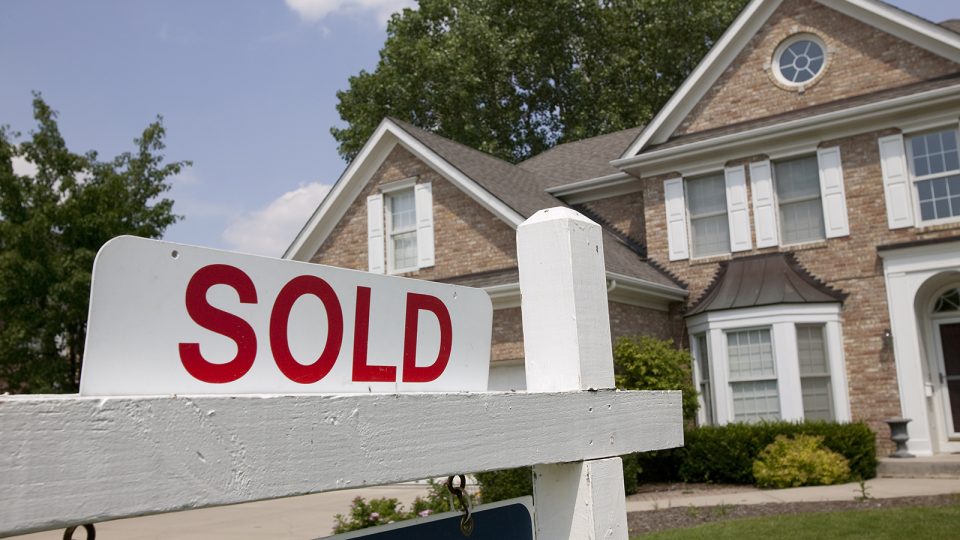
The housing market wrapped up 2025 on a positive note, finishing stronger than many expected. December saw the biggest burst of activity in nearly three years, as buyers took advantage of slightly better mortgage rates and growing confidence in the economy. Total existing home sales reached 4.06 million for the year, matching 2024’s total, even with elevated borrowing costs holding many potential sellers and buyers back for most of the year.
By December, inventory had fallen sharply to about 1.18 million homes, an 18% drop from November, tightening competition among buyers. Limited supply continued to support prices, with the national median sales price edging up to $405,400, roughly 0.4% higher than the previous December.
Activity picked up across all U.S. regions heading into winter. The South led the rebound, with sales in December up nearly 7%, bringing the region’s annual pace to just over 2 million homes sold, the strongest nationally. The West followed close behind with a 6.6% rise for the month, though high home prices there kept sales roughly flat compared with 2024. In the Midwest, affordability helped sales hold steady around 1 million, while the Northeast ticked down slightly year over year, reflecting both higher prices and limited inventory.
Regional price trends also told different stories. Midwest home values climbed 3.1% to a median of $306,000, while Western prices eased 1.4% to $605,600 as supply slowly improved in pricier markets. The South’s median reached $360,200, reflecting steady in-migration and demand. Condos and co-ops nationwide averaged about $364,400, up 1.5%, as more buyers sought affordable entry points.
Mortgage rates averaged 6.19% in December, slightly below November’s level and well off the peaks above 7% seen earlier in the year. That small relief helped unlock demand from buyers who had been waiting for the right moment. Many homeowners still chose not to list, staying put with their lower-rate loans, which kept the overall supply tight at about a 3.3-month level.
Heading into 2026, the market appears to be shifting from stagnation to cautious optimism. If rates continue easing and job growth remains steady, early spring could bring more listings and broader participation from sidelined buyers. For now, the balance tilts toward sellers, but buyers sensing opportunity are starting to reappear across most parts of the country.
