
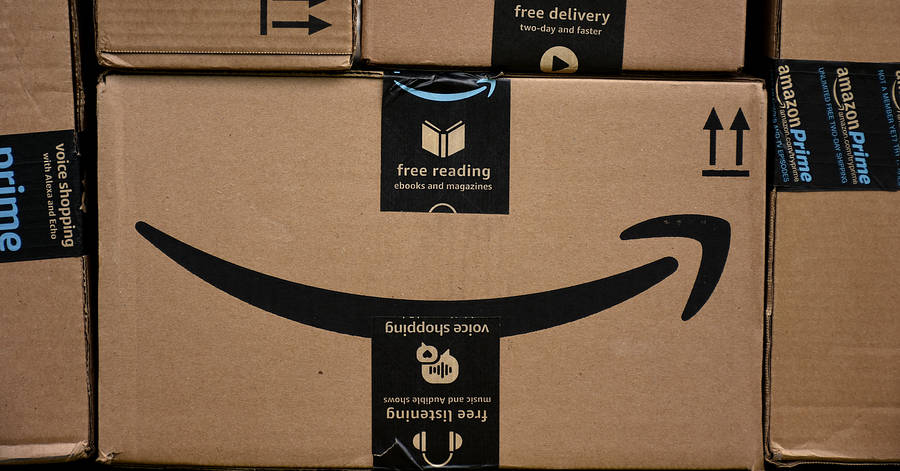
Amazon.com, Inc. (NASDAQ: AMZN) has been a cornerstone customer for the U.S. Postal Service (USPS), generating over $6 billion in revenue this year alone. This steady flow of business has long been one of the few bright spots for the Postal Service, an independent government agency grappling with persistent financial challenges. However, Amazon, as reported by the Washington Post is considering ending this longstanding partnership as it aims to expand its own delivery network nationwide, a move with potential repercussions for both organizations and the broader delivery landscape.
Building a fully independent delivery network would be no small feat for Amazon. The company already maintains a substantial logistics operation in metropolitan areas, with numerous delivery hubs and a growing fleet. Yet, replicating the vast reach and efficiency of the USPS, which serves every address in the country including rural and remote regions, presents a massive undertaking. Industry insiders suggest that such a transition could take several years. During this period, Amazon would need to invest heavily in new infrastructure, vehicles, and staffing while also refining its delivery technology to keep pace with customer expectations for speed and reliability.
The potential fallout for the USPS is significant. Amazon’s business currently accounts for approximately 7.5% of the Postal Service’s total revenue, a substantial income stream that helps mitigate the agency’s broader financial difficulties. USPS continues to report heavy losses despite reorganizations and legislative changes. Losing a customer generating billions annually could deepen these financial woes, put more pressure on USPS to cut costs, and possibly affect service levels.
Beyond finances, the implications for USPS employees are also concerning. With a reduced volume of Amazon packages to process and deliver, job cuts or redeployments could become an unavoidable consequence. Postal workers, many of whom provide the critical “last mile” of delivery to customers’ homes across urban and rural America, could face an uncertain future. This scenario may worsen labor tensions within the Postal Service and place more burden on USPS’s remaining operations as it continues to serve a diverse range of other clients and mail services.
For Amazon, the push to control its delivery ecosystem is motivated by the desire to better manage delivery speeds, reduce dependence on external carriers, and improve customer satisfaction. The expansion aims to compete more directly with rivals like FedEx and UPS while enhancing Prime delivery efficiencies. Yet, this shift requires a delicate balancing act: while expanding its network, Amazon must maintain reliable service nationwide, including less profitable regions where USPS’s infrastructure has historically been indispensable.
Amazon’s decision is not yet final, with ongoing discussions reportedly continuing between the company and USPS. Both sides appear hopeful for a resolution, as recent communications between Amazon CEO Andy Jassy and the Postal Service leadership have suggested a willingness to explore alternatives. In the meantime, the delivery and logistics industries, along with postal workers and customers, are closely watching how this potential restructuring will unfold in the coming years.
