
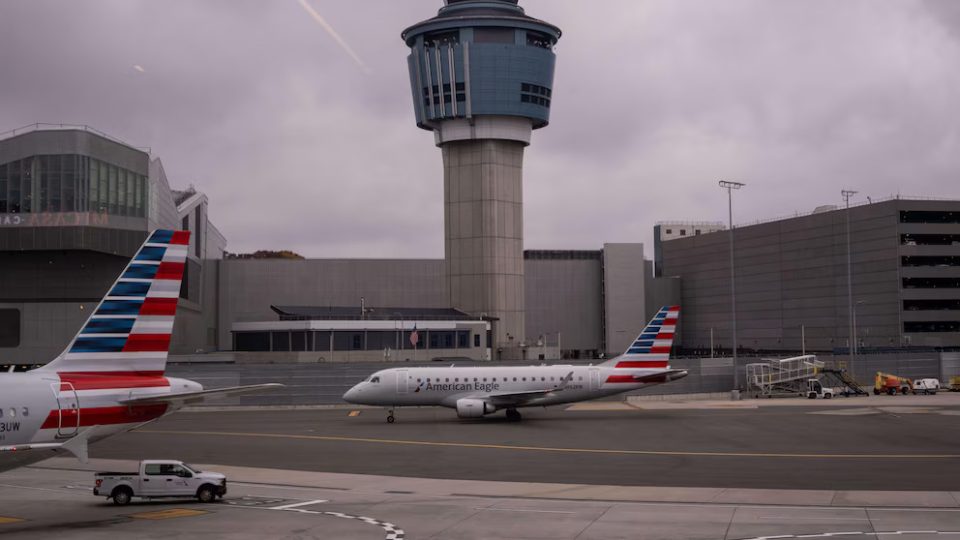
Flight restrictions imposed by the Federal Aviation Administration (FAA) during the record 43-day government shutdown officially ended yesterday, allowing commercial airline operations at major U.S. airports to return to normal. The FAA emergency order, which began on November 7th, initially required a 4% reduction in flights at 40 key airports nationwide. At its peak, the reduction reached 6%, with plans to climb as high as 10%, before being scaled back due to rapid improvements in staffing levels following the end of the shutdown.
During the shutdown and enforcement of these restrictions, the nation’s air traffic control system faced unprecedented challenges. On November 8th alone, the FAA reported a record 81 staffing-trigger events, situations where controller availability fell below safe operational standards. This severe shortage translated into widespread flight cancellations and delays. Hundreds of flights were cancelled per day at these 40 airports, which include major hubs such as Hartsfield-Jackson Atlanta International Airport, Los Angeles International Airport, and New York’s JFK and LaGuardia airports.
Over the following days, the number of staffing-trigger events saw a sharp decline once the government shutdown ended. As staffing improved, the FAA progressively eased the required flight cuts, reducing them from 6% to 3% by November 15th, while still monitoring system performance closely.
The restrictions affected various aspects of the National Airspace System beyond just commercial flights. Some general aviation operations were limited at twelve airports, visual flight rule (VFR) approaches at facilities with staffing triggers were curtailed, and commercial space launches and reentries were permitted only during overnight hours. These measures were safety-driven, aimed at balancing operational capacity with limited controller availability.
The FAA and U.S. Transportation Secretary Sean P. Duffy stressed that the priority throughout was maintaining safety above all else during the government impasse, which had led to many air traffic controllers calling out sick or not reporting to work amid uncertainty. The emergency order’s lifting signals a return to the typical rhythm of air travel ahead of the busy U.S. Thanksgiving travel period.
While the FAA acknowledged some reports that certain airline carriers did not fully comply with the flight reduction order, an enforcement review remains ongoing. The focus now shifts toward rebuilding a reliable and adequately staffed air traffic control workforce, alongside development efforts for more modern air traffic control systems.
In total, the FAA’s flight reductions during the government shutdown reveal the critical role that adequate staffing in air traffic control plays in managing the flow of passengers and cargo in the U.S. airspace. The disruption showcased the operational fragility that comes with stretched personnel resources and underscored the importance of sustained investment in the nation’s aviation infrastructure.
