
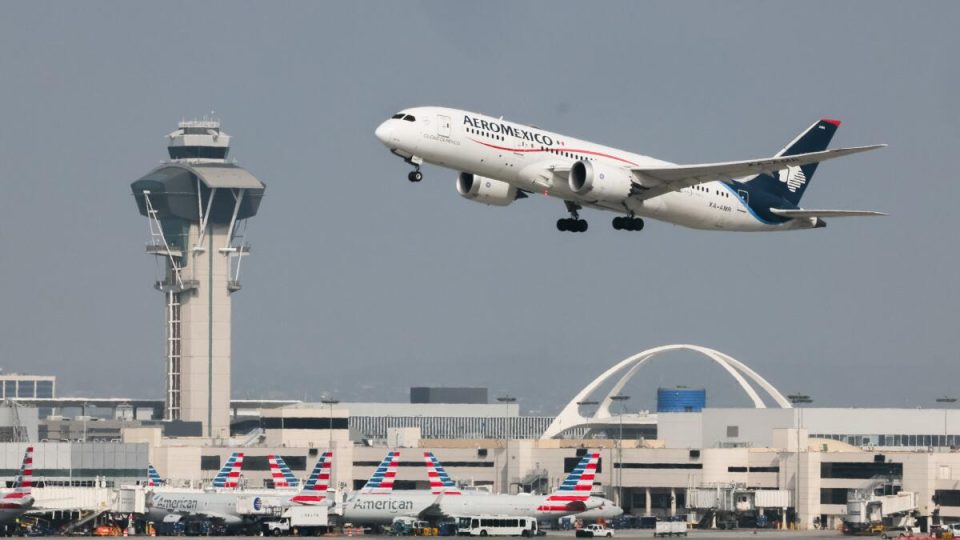
The Federal Aviation Administration temporarily halted flights departing from Los Angeles International Airport (LAX) on Sunday morning after a staffing shortage was reported at a Southern California air traffic control facility. The pause affected one of the busiest airports globally, underscoring the operational challenges amid the ongoing federal government shutdown. During this period, air traffic controllers have been working without pay, contributing to concerns about the capacity to manage normal air traffic volumes.
U.S. Transportation Secretary Sean Duffy warned that travelers could expect more delays and flight cancellations in the coming days as the staffing shortage persists. The situation at LAX reveals a microcosm of wider disruptions facing the national airspace system during the shutdown, with essential personnel continuing operations despite unpaid status, a circumstance that raises both safety and efficiency questions.
This latest disruption at LAX reflects the broader impact of a stalled federal government budget on critical infrastructure services. Air traffic controllers, who play a key role in maintaining the flow and safety of air travel, are experiencing work conditions that strain their ability to function at normal levels. The ground stop at LAX was a direct result of these conditions, highlighting how such stoppages may become more frequent if the shutdown continues.
The shutdown has created an unpredictable environment for airlines, passengers, and the entire travel industry, requiring adjustments and contingency planning. Airlines have had to manage flight schedules with fewer air traffic control staff, which can lead to cascading delays and operational difficulties. Passengers are likely to face longer waits, cancellations, and a general sense of unpredictability as the situation unfolds.
Los Angeles International Airport, as a major hub serving millions of passengers annually, is a critical node in the U.S. air travel network. Disruptions here tend to ripple across the country and internationally, amplifying the effect of local staffing shortages. The FAA’s temporary ground stop was an immediate response to limit new traffic entering the congested airspace and airfields while addressing the shortage.
While no safety compromises have been reported, the strain on workforce capacity and morale is tangible. The situation places emphasis on the importance of resolving the federal government shutdown to restore full operational capability and predictability to the U.S. air traffic system. For now, travelers must prepare for ongoing turbulence in flight operations until normal funding and staffing levels are reinstated.
This incident shows how critical air traffic control staffing levels are to the smooth functioning of one of the nation’s essential transportation systems. As the shutdown continues, the uncertainty lingers, affecting not just the immediate parties but the broader economy dependent on timely and safe air travel.
