
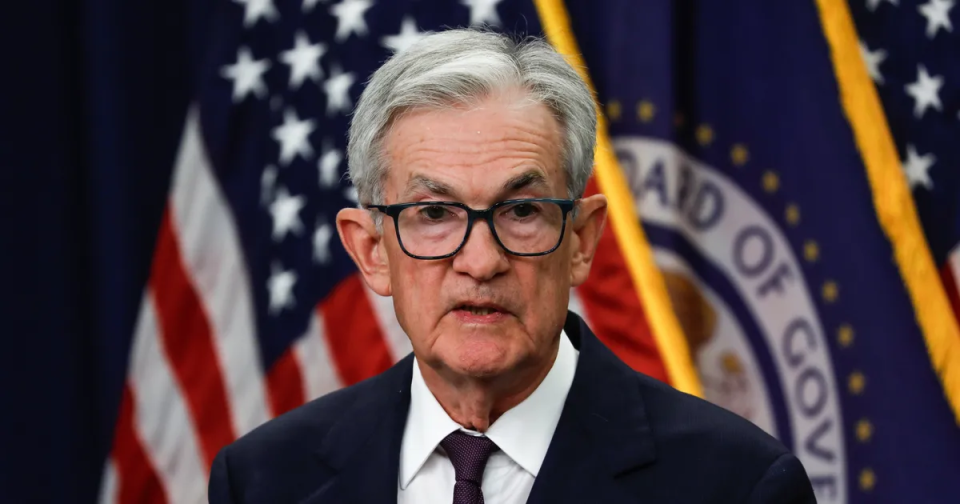
The Federal Reserve lowered its benchmark interest rate by a quarter of a percentage point on Wednesday, making it the second rate cut this year in an effort to support the cooling labor market. This move brings the federal funds rate down to a range of 3.75% to 4%, moving from the previous range of 4% to 4.25%. The decision came after the Fed noted slower job growth this year and an unemployment rate that, while still low at 4.3%, has edged up slightly, signaling some weakening in hiring.
The Fed’s dual responsibility is balancing inflation and employment. Inflation has actually ticked up since earlier in the year and remains higher than the Fed’s 2% target. Still, the recent slowdown in job creation pushed the Fed to respond by lowering rates to help stimulate hiring and economic activity. The central bank emphasized uncertainty remains high, especially because of the ongoing U.S. government shutdown, which started on October 1 and has delayed the release of key economic data like the September employment report. Without these official numbers, the Fed has been relying more on private payroll data and other less comprehensive sources. Chair Jerome Powell acknowledged how this data gap complicates decision-making and said the Fed is ready to adjust policy as more information comes in.
Besides the rate cut, the Fed announced the end of its policy of shrinking its balance sheet starting December 1, halting the run-off of Treasury and mortgage-backed securities holdings built up in previous years. This move should ease financial conditions further beyond just the interest rate cut.
The rate cut was not unanimous. Two members dissented: Fed Governor Stephen Miran advocated for a larger cut of half a point, while Kansas City Fed President Jeffrey Schmid wanted to keep rates steady. Market watchers see the Fed as walking a tightrope, trying to support the labor market without letting inflation worsen or overshooting stimulus.
President Trump had pushed for more aggressive rate reductions throughout the year, asking the Fed repeatedly to cut rates significantly to boost the economy. This quarter-point cut partially meets that request, but it’s less than the bigger moves Trump sought. The Fed continues to operate independently, focusing on its data-driven approach to monetary policy.
For the average consumer and business, lower rates generally mean cheaper borrowing costs for loans and credit, potentially encouraging spending and investment. However, these monetary changes take time to filter through the economy, especially when inflation is stubborn, and hiring trends are uncertain. The Fed’s next moves will depend heavily on incoming economic data and how the labor market trends evolve in the coming months.
Looking ahead, Powell has signaled that a December rate cut is possible but far from guaranteed. The uncertainty surrounding inflation, labor market softness, and the lack of official data due to the government shutdown means the Fed is navigating without a clear picture. Powell likened the situation to driving cautiously “through fog,” adjusting speed as conditions become clearer.
This rate cut underscores the Fed’s focus on managing the growing risks to employment while still keeping an eye on inflation pressures, in a challenging and uncertain economic environment.
