
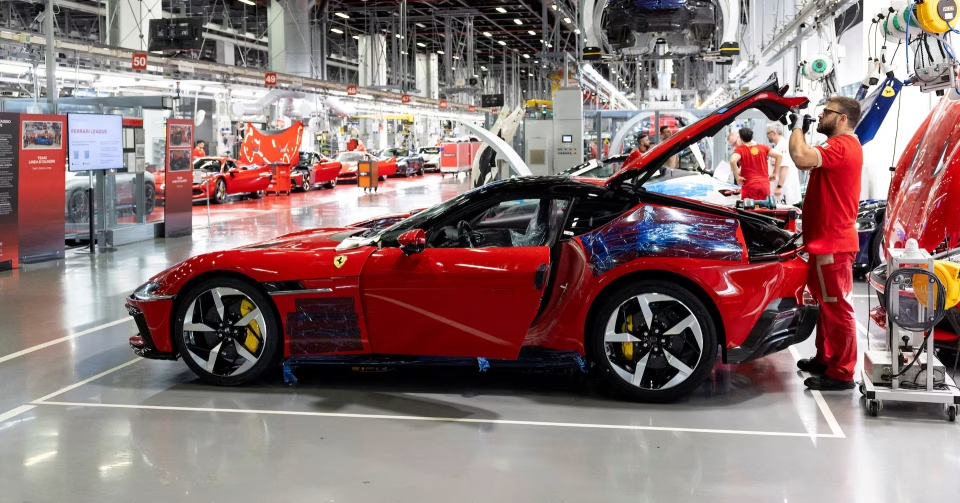
Ferrari (NYSE: RACE, Borsa Italiana: RACE), known for its high-performance luxury sports cars, recently introduced the technology behind its first fully electric vehicle, the Elettrica, which is set to debut globally next year with deliveries starting in late 2026. Despite the excitement around this milestone, the company’s fresh guidance on its electric vehicle (EV) strategy and financial outlook has sparked some investor disappointment.
While Ferrari showcased impressive progress with the Elettrica, boasting a body-shell constructed with 75% recycled aluminum and key electric components made in-house, the company softened its earlier pledges on electrification. The new 2030 plan envisions a lineup comprising 40% internal combustion engine cars, 40% hybrids, and only 20% fully electric vehicles. This marks a distinct reduction from the previous target of 40% fully electric cars by the end of the decade.
From a financial perspective, Ferrari raised its 2025 guidance, now expecting revenues to surpass approx. $7.6 billion (€7 billion) and aiming for EBITDA of $2.93 billion (€2.7 billion) with a margin above 38.3%. These are strong near-term numbers, but investors seemed unsettled by the cautious tone regarding long-term growth and the mix shift away from electric vehicles. As a result, Ferrari’s shares dropped more than 16% in early trading following the announcement, and then recovering slightly.
Part of the market’s reaction stems from heightened expectations for automakers to accelerate EV adoption aggressively. Ferrari’s decision to maintain a significant internal combustion engine presence may signal a more conservative approach to balancing heritage performance with emerging environmental regulations. The company insists it will continue launching an average of four new models annually from 2026 through 2030, showing commitment to innovation but tempered by pragmatism in product mix.
Beyond vehicles, Ferrari is broadening its customer lifestyle engagement. It is expanding its “Tailor Made” personalization centers, high-end design studios where customers collaborate closely with designers to customize cars to unique tastes. These centers operate in key markets such as New York City, Shanghai, and Maranello, with new locations opening in Tokyo and Los Angeles to deepen client relationships. Meanwhile, flagship Ferrari stores in luxury hubs like Milan offer immersive brand experiences blending heritage, fashion, and motorsport culture.
This dual focus on product evolution and lifestyle offerings underscores Ferrari’s strategy to sustain exclusivity and appeal amid a transforming automotive landscape. While the scaled-back EV target disappointed some investors looking for a bolder shift, Ferrari appears to be navigating a careful course that protects brand identity and profitability. How this approach will compete in an increasingly electrified future remains a question that will unfold in the years ahead.
The Elettrica itself symbolizes Ferrari’s electrification intent, it features advanced battery and powertrain technology developed largely in-house, aligned with the company’s carbon reduction goals. However, by tempering the volume of fully electric models, Ferrari is signaling a longer transition period than some in the market anticipated.
All told, Ferrari’s latest disclosures reveal a company balancing innovation with tradition, seeking to meet evolving regulations and customer expectations without hastily abandoning its core performance DNA. This may explain why the market response was cautious, investors want to see compelling growth and disruption alongside steady profitability, and Ferrari’s update delivered a mix of both, but not quite the leap some had hoped for.
