
Ford Motor Company (NYSE: F) ended 2025 on a high note, reporting a 6% increase in U.S. vehicle sales compared to the previous year. The company sold about 2.2 million vehicles across the country, making 2025 its best year since 2019. That performance included a 2.7% uptick in the fourth quarter, where Ford delivered more than 545,000 vehicles to U.S. customers. For the Detroit automaker, it was not only a return to pre-pandemic levels but also a sign that traditional automakers still hold strong footing in an evolving market shaped by electric vehicles, supply chain recovery, and shifting consumer preferences.
While 6% growth may not sound dramatic, the number is significant for an industry still finding stability after several years of disruptions. Throughout much of the early 2020s, automakers faced parts shortages, higher interest rates, and volatile consumer demand. Ford’s ability to expand sales amid those constraints points to stronger product availability, renewed consumer confidence, and smarter inventory management across dealerships.
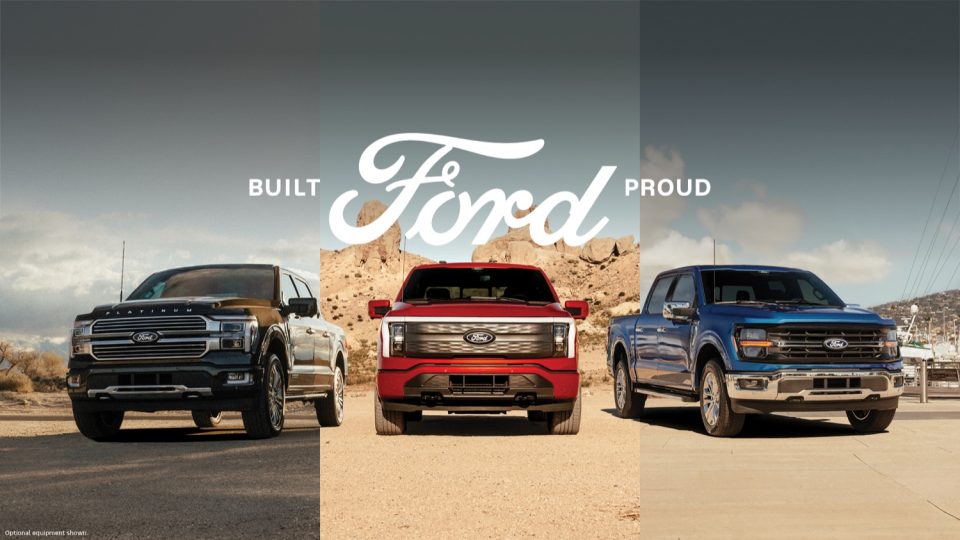
Part of the company’s 2025 sales momentum came from increased demand for its core truck and SUV lineup, which remains the bedrock of Ford’s portfolio. Models like the F-Series pickup retained their position as top sellers, supported by continued strength in commercial fleet orders and renewed household spending. Ford’s decision to balance expansion in the electric vehicle segment with ongoing investment in traditional models helped sustain broad appeal across customer groups. Many buyers who were hesitant to make the shift to fully electric vehicles maintained interest in hybrid versions, particularly in the popular Ford Maverick and Escape series.
Another factor behind Ford’s solid year was improved supply flow. By early 2025, many of the global semiconductor bottlenecks that hampered the auto industry had eased considerably. This allowed Ford to increase dealer inventories, ensuring that buyers could actually find and purchase the models they wanted, rather than waiting months for deliveries. After several years of constrained production, that simple improvement helped lift sales volumes significantly.
It also helped that the U.S. auto market itself regained some footing. Consumer confidence rose through most of 2025, and higher wage growth in certain sectors gave households more room for discretionary purchases, including vehicles. Although higher financing costs remained an obstacle, many buyers sought out more affordable trims or pre-owned options within Ford’s network. Consistent marketing and updated designs across core models helped keep Ford competitive against rivals like General Motors and Toyota, both of which also experienced moderate recovery during the year.
On the competitive front, Ford’s full-year results placed it second among American automakers in total domestic sales, only slightly behind General Motors. While GM maintained a lead, Ford narrowed the gap compared with prior years, thanks in part to steady performance in light trucks and improved delivery timing. Electric vehicle leader Tesla, meanwhile, saw its annual growth moderate, providing some breathing room for traditional automakers to reassert their share in the broader market.
Ford’s progress in 2025 also reflected efforts to stabilize its retail operations and align production with actual consumer demand rather than forecasted optimism. Industry analysts noted that after several years of unpredictable swings, a measured pace of growth gave Ford a firmer base heading into 2026. The company’s ongoing focus on both electrified and combustion-engine vehicles demonstrated that customer loyalty to familiar models, combined with gradual innovation, can still yield success in a market undergoing change.
Despite challenges such as inflation and uneven EV adoption rates, Ford’s 2025 numbers reinforced that U.S. consumers still value a mix of dependability, recognizable models, and expanding technology options in their vehicles. The company’s best annual sales since 2019 marked not just a rebound from pandemic-era disruptions but also a reminder that steady operational improvement and consistent consumer engagement remain fundamental to long-term growth. For Ford, the results positioned 2025 as a year that bridged the difficulties of the early decade with a more confident, balanced outlook for the years ahead.
