
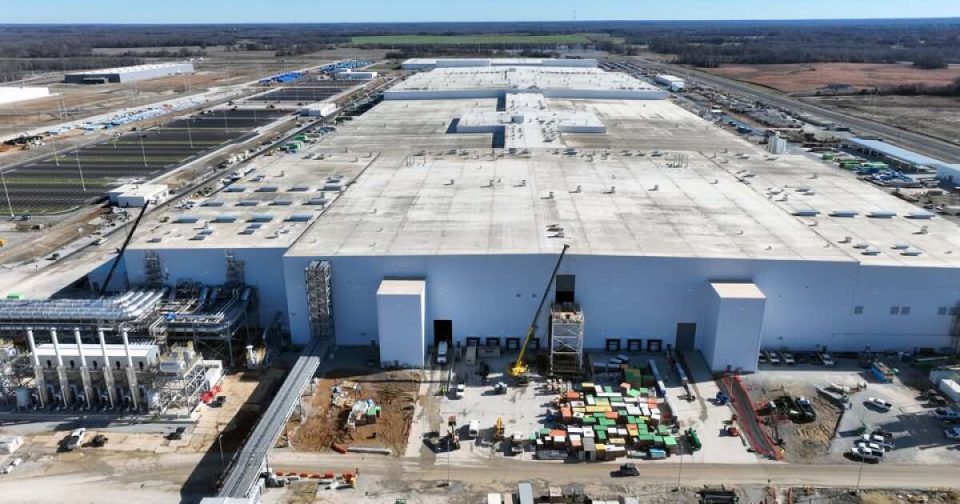
Ford Motor Company (NYSE: F) has spent decades building cars and trucks. Now the company plans to make large batteries for utilities, data centers, and businesses that need steady power. This move comes from a $2 billion investment to change its Glendale, Kentucky, plant into a hub for these systems. Production should start around 2027, and it marks a real turn for a company known for vehicles.
Picture a world where power plants and data centers need massive batteries to store energy. These are not the small packs in electric cars. Ford aims to supply battery energy storage systems, or BESS, that hold megawatt hours of power. Each unit will exceed 5 megawatt hours, often packed into shipping containers for easy setup. The plant targets 20 gigawatt hours of output each year once running at full speed. That scale helps smooth out electricity from renewables like solar and wind or backs up servers that never sleep.
Why LFP technology? Lithium iron phosphate batteries cost less than others and last longer in heavy use. They avoid scarcer materials, which keeps prices down for buyers. Ford already makes these cells for its own electric vehicles. With EV sales cooling off lately, spare capacity opened up. The company saw a chance to sell that expertise elsewhere. Data centers, for example, guzzle power as artificial intelligence grows. Utilities face pressure to balance grids amid wild weather and green energy pushes. Commercial sites like factories want reliable backups too.
This Kentucky project ties into a bigger partnership called BlueOval SK. Ford joined with SK On, a South Korean battery maker, to build plants in the U.S. Demand for car batteries fell short of plans. So they restructured the Kentucky site. Instead of just cells, it will assemble full systems ready to ship. Workers there will handle everything from packs to containers. Jobs stay local, and the shift supports communities hit by auto changes.
By 2027, global demand for storage could hit record levels. Reports show utilities ordering billions in BESS to hit climate goals. Data centers from tech giants expand fast, each needing gigawatts of backup. Ford enters a market led by specialists like Tesla and Fluence. But its auto roots give an edge in scaling production. Lower LFP costs could help it compete on price. Still, challenges loom. Building at that size takes precision, and supply chains for raw materials remain tight.
Ford knows manufacturing inside out. Trucks roll off lines daily, so batteries follow a similar rhythm. The Glendale plant, once eyed for EVs, now pivots without starting from scratch. This reuse saves time and money. It also shows how car makers adapt when markets shift. Electric vehicles still matter, but stationary storage offers steady revenue. One plant at 20 GWh equals thousands of car batteries sold yearly.
Competition heats up too. Chinese firms dominate LFP now, shipping cheap units worldwide. U.S. rules favor local production with tax credits. Ford benefits from that, especially under current policies. The Trump administration has stressed domestic manufacturing, pushing energy independence, which aligns here. Kentucky gains from jobs and tech, drawing more investment to the region.
Risks exist for sure. EV slowdowns linger if charging stays spotty or rates rise. Battery prices might drop faster than expected, squeezing margins. Ford must prove these systems work in real grids over years. Early customers will test reliability. Success here could lead to more plants or exports.
Ford’s step feels logical in a power hungry world. Utilities store excess summer sun for winter nights. Data centers avoid blackouts during peak hours. Businesses cut bills by timing their usage. Large BESS make that possible at scale. Ford joins players reshaping energy, one container at a time. Watch Kentucky for signs of how this plays out.
