
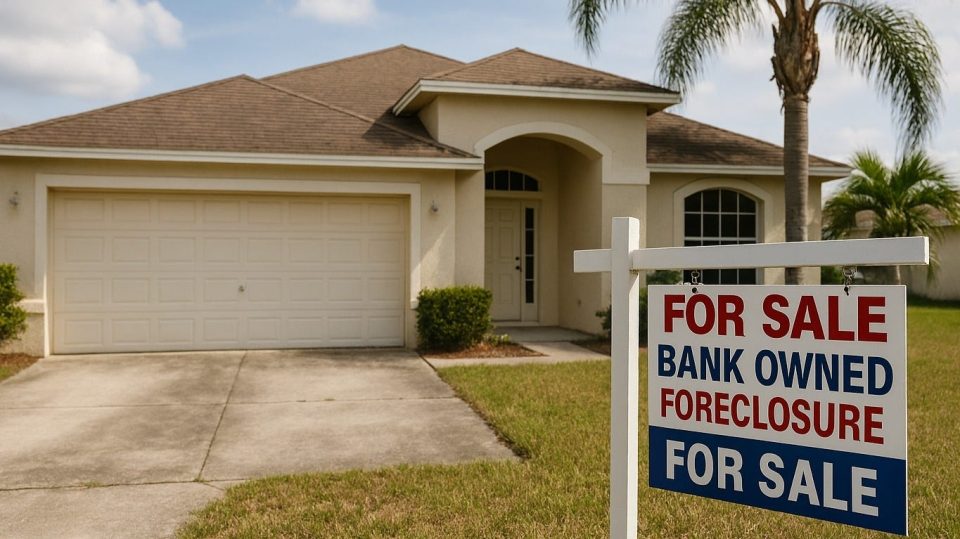
Foreclosure activity in the United States has climbed noticeably in 2025, reaching levels not seen since the aftermath of the 2008 financial crisis. Over the third quarter alone, there were 101,513 properties with foreclosure filings, reflecting an increase of 17% from the same time last year, according to the latest report from ATTOM Data Solutions (formerly known as RealtyTrac), a firm specializing in real estate data analysis. Although the jump from the previous quarter was less than 1%, the steady year-over-year rise signals a broader trend worth watching closely.
Rob Barber, CEO of ATTOM, pointed out that this continuing increase in both foreclosure starts and completions has been consistent for several quarters. While the figures are still within a historically moderate range, he remarked that the persistence may hint at emerging financial strain among borrowers in some parts of the country.
Breaking down the data, nearly 72,317 properties began the foreclosure process in the third quarter, a 16% increase compared to last year and 2% higher than the previous quarter. September’s figures showed 35,602 foreclosure filings nationwide, almost 20% above September 2024 but slightly below the prior month. The total number of properties where lenders completed foreclosures in September rose 44% year-over-year, even though it represented a 7% decrease from August.
Five cities in Florida rank among the top 10 U.S. cities with the highest foreclosure rates, illustrating the state’s outsized impact on the broader market trend. The full list of leading cities by foreclosure rate currently includes Lakeland FL, Cleveland OH, Cape Coral FL, Port St. Lucie FL, Springfield MO, Orlando FL, Tampa FL, Jacksonville FL, Miami FL, and Birmingham AL.
The concentration of Florida cities in this top 10 list is striking, reflecting localized pressures such as housing affordability and economic factors that disproportionately affect these areas. With one in every 2,182 housing units in Florida filing for foreclosure in September 2025, the state stands out with one of the highest rates nationwide.
This uptick comes after years of relatively low foreclosure rates, bolstered temporarily by government mortgage relief programs and pandemic-era interventions. To put the current situation in context, foreclosure rates last approached this level nationally around 2010, following the 2008 housing market collapse. At that peak, foreclosure rates hit roughly 2.23%, a surge driven by widespread mortgage defaults and financial system disruptions. Since then, rates had stabilized at much lower levels until the gradual rise observed in recent quarters.
Examining the broader geographic trends, states with notable foreclosure activity include Texas, Florida, California, Illinois, and New York, which together accounted for a large proportion of foreclosure starts in the past quarter. South Carolina, Delaware, Nevada, Indiana, and Florida also led the nation in foreclosure rate per housing unit in September 2025.
ATTOM’s comprehensive data tracks the full spectrum of foreclosure filings, including initial defaults, legal notices, and bank repossessions of foreclosed properties, known as real estate owned or REO. This layered approach offers insights not only into where trouble is starting but also how it progresses through the system.
While the numbers remain below the extraordinary highs of the last financial crisis, the steady increase across multiple metrics, foreclosure filings, starts, and completions, reflects new stresses facing homeowners. Rising interest rates, inflationary pressures, and economic uncertainties likely contribute to this strain, causing more homeowners to begin the foreclosure process or lose their properties outright.
For investors, homeowners, and policymakers, these data points offer both warnings and opportunities. Identifying specific regions and markets with rising foreclosure risk can lead to targeted interventions, whether through financial assistance programs or strategic real estate investments.
The 2025 foreclosure trend suggests a market in transition, where underlying economic pressures are beginning to outweigh the post-pandemic relief measures of recent years. How this trend evolves in the coming quarters will be a key indicator of the broader health of the U.S. housing market and the economy at large.
