
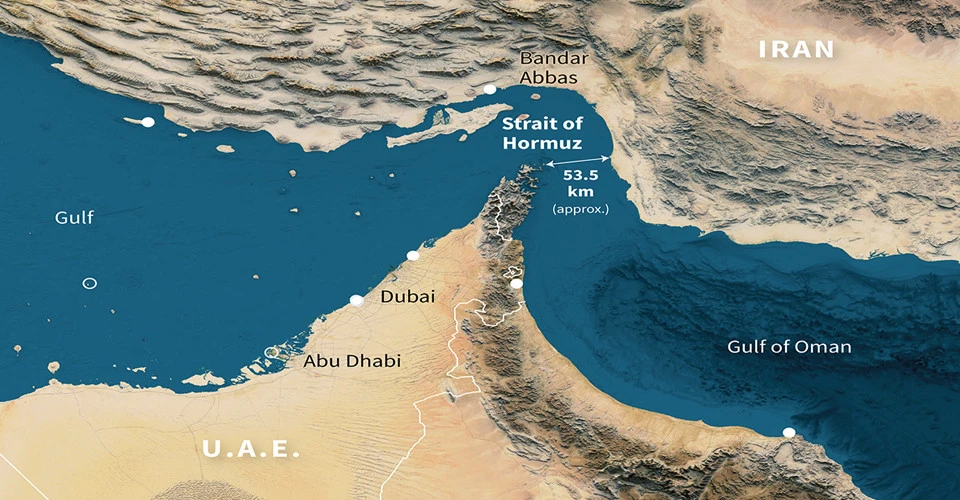
All eyes have turned to the Strait of Hormuz. This narrow waterway sits between Iran and Oman, linking the Persian Gulf to the open Arabian Sea. About 20% of the world’s oil supply moves through it daily, along with significant liquefied natural gas from Qatar. For business readers new to this area, picture a 21-mile-wide choke point where supertankers loaded with crude barely squeeze past each other. Iran controls the northern side, giving Tehran leverage over a route vital to energy trade.
Iranian Foreign Minister Abbas Araghchi recently laid out new ground rules for passage. Speaking on Iranian State TV, he said Iran has allowed certain friendly countries to send ships through the strait. Those nations include China, Russia, India, Iraq, and Pakistan. Reports from Iranian media and international outlets confirm this list, with some mentions of Malaysia also gaining approval based on verified state statements. Araghchi stressed that these permissions apply to ships flagged or owned by these countries. The policy aims to keep oil flowing for partners while blocking others.
This selective approach marks a shift amid rising tensions. Iran views the strait as its domain, especially after past threats during conflicts. Ships from the U.S., Israel, or their allies face a clear no-go. That means any vessel flagged under those nations, or owned by their companies, stays out. Commercial traffic feels the pinch most. Oil tankers make up the bulk of concern here, carrying crude from Gulf producers like Saudi Arabia and the UAE to refineries worldwide. LNG carriers follow close behind. Dry bulk ships hauling grain or minerals see less direct hit, but delays ripple through supply chains.
For friendly countries, the news brings targeted relief. China, the top importer of Gulf oil, keeps its tanker fleet moving without detour. Russia gains easier access for any Gulf-bound trade, though it exports little oil from there. India relies on the route for 80% of its crude needs, so approval secures its energy imports. Iraq, as a neighbor and oil peer, benefits from smoother neighborly flows. Pakistan rounds out the list with its growing imports. These nations dodge the worst disruptions. Their companies face no rerouting around Africa, which adds weeks and millions in fuel costs per voyage.
Non-friendly countries and their allies confront stiffer challenges. U.S. flagged or owned tankers, along with those from Israel or partners like Saudi Arabia if linked, must find alternatives. Europe and Asia beyond the approved list suffer too. Major carriers like Maersk or BP have suspended some transits, citing risks. This squeezes refiners in Japan, South Korea, and the U.S. East Coast. Global benchmarks reflect the strain. West Texas Intermediate crude jumped toward $98 per barrel in models tracking the crisis, up from mid-$70s earlier in March. Brent followed suit. Higher prices hit consumers at the pump and manufacturers using petrochemicals.
Trade disruptions hit Asia and Europe hard, but friendly status selectively eases the pain. Europe imports less Gulf oil directly, yet faces knock-on effects from Asian demand spikes. Refineries there bid up spot cargoes, pushing costs higher. Asia absorbs the core blow. India and China stay insulated somewhat, letting their economies chug along with steady supplies. This creates winners and losers in the energy game. Approved nations lock in cheaper barrels, while others pay premiums or scramble for Russian or U.S. alternatives.
Businesses worldwide adjust plans. Airlines hedge fuel. Chemical firms pass costs to buyers. Shipping insurers hike premiums 50% or more for Gulf routes. Yet the selective permissions blunt the edge for some. If tensions ease, prices could retreat. For now, Hormuz forces companies to rethink alliances and routes. Energy traders watch Araghchi’s words closely, knowing one shift redefines global flows. The strait remains a quiet power play in plain sight.
