
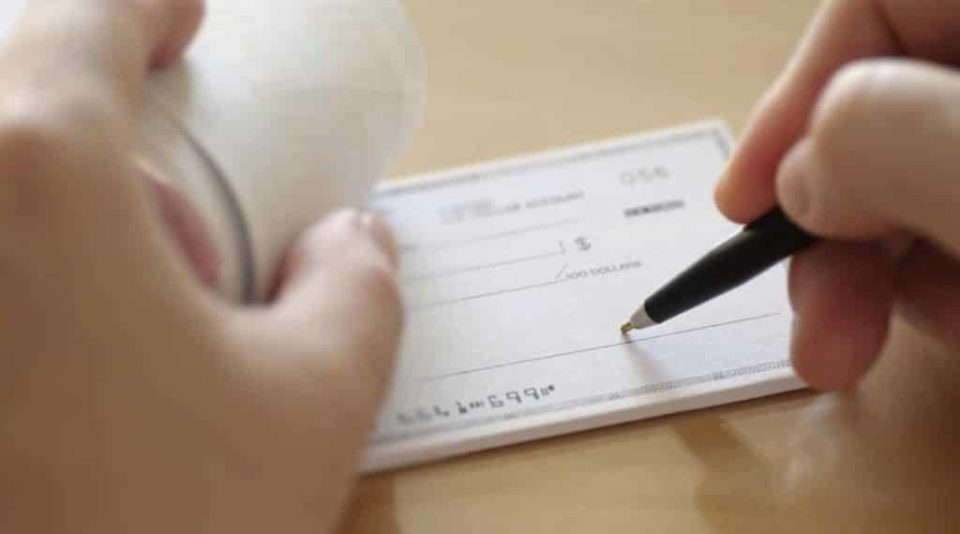
Checks played a central role in how Americans handled money for much of the 20th century. At their peak in the mid-1990s, the U.S. Federal Reserve tracked about 85 billion checks written annually, far exceeding the 8.5 billion in 1952. Businesses used them for payroll, vendors relied on them for payments, and households wrote checks for everything from utilities to school fees. Banks processed these paper instruments in massive volumes, with machines sorting 100,000 checks per hour. Despite their dominance, the cracks began forming decades ago with the introduction of electronic transfers through automated clearing houses in the 1970s, offering a faster and more reliable alternative.
By the early 2000s, the decline of check usage accelerated significantly. The volume dropped to 33 billion by 2009, less than half the peak, as debit cards and online banking gained traction. Now, checks represent only around 5% of retail payments by number, though they still account for 21% of the transaction value due to larger payments such as rent. Many retailers no longer accept checks to reduce fraud and processing costs. Consumers followed suit, with studies showing only 7% of bill payments use checks today as apps and instant transfers replace them.
The U.S. government’s recent moves have further pushed this transition. The Social Security Administration stopped issuing most paper checks in late September 2025, urging recipients to switch to direct deposit. The Federal Reserve also issued a notice suggesting it may scale back the check-clearing services it provides to banks, signaling a possible end to its role in the paper check system. These developments are forcing both businesses and consumers to adapt to digital payment methods.
Businesses faced the impact first. Small merchants who once waited days for checks to clear now rely on digital tools. PayPal Holdings, Inc. (NASDAQ: PYPL) revolutionized person-to-person payments with its platform, allowing money to move without paper or intermediaries. Block, Inc. (NYSE: SQ) provides merchants with card readers and instant payouts through Square and Cash App. Many businesses are now paid faster via QR code scans or digital wallets. Landlords accept rent through apps, eliminating mail delays and theft risks.
Society at large has embraced digital payments. Older generations deposit checks remotely using smartphone cameras, while younger generations rarely use checks at all. Parents pay school fees online, freelancers send invoices through platforms like Stripe, and peers split bills via Venmo. Digital transactions create better fraud protection since they leave clear electronic traces. Still, some sectors and individuals, especially older adults or those without digital access, resist fully giving up paper checks.
This payment shift also offers economic benefits. As U.S. check usage has dropped by around 75% in two decades, debit card use has soared tenfold. Electronic payments save businesses significant money, as processing costs for checks range from dollars per item compared with just cents for digital alternatives. Vendors receive faster payments, easing cash flow issues. These changes are quietly transforming how Americans pay for goods and services, without much public fanfare.
Challenges remain, notably for unbanked populations who may lack smartphones or bank accounts. Government efforts such as prepaid cards aim to bridge this gap, but access remains uneven. The convenience and speed of digital payments, however, continue to attract users. PayPal and Block annually process billions of transactions, supporting everything from peer-to-peer payments to merchant sales and investing. Business operations have shifted from ledgers to tablets, and the checkbook era is drawing to a close.
Recent policy signals from the Federal Reserve underscore the direction of this ongoing change. Digital payments now dominate money flows, with businesses that adopted the new tools early positioned to lead. For most people, paying bills or receiving money is simpler, faster, and safer. The paper check’s long run is ending quietly, replaced by a digital standard that fits today’s pace of life.
