
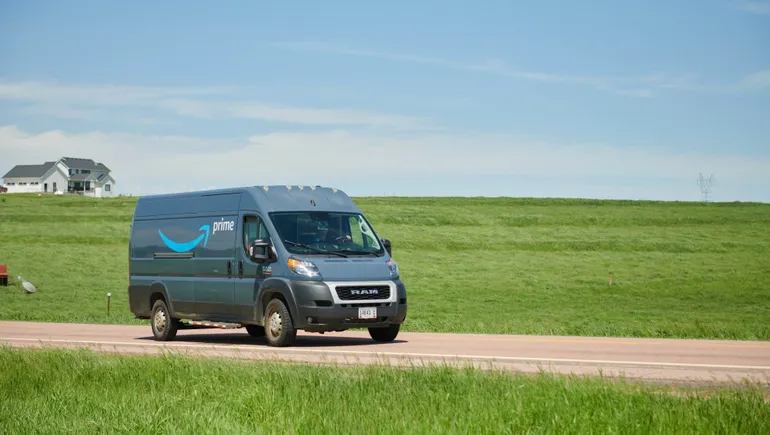
Amazon.com, Inc. (NASDAQ: AMZN) just rolled out one-hour and three-hour delivery options in parts of the U.S. This move builds on years of work to meet shoppers who want things fast. The service covers about 2,000 cities and towns for three-hour delivery, with hundreds of those spots also offering one-hour options.
Let’s step back a bit. Back in 2005, Amazon hooked people with free two-day shipping through its Prime program. That felt revolutionary then. Shoppers signed up in droves because waiting less mattered. By 2019, one-day delivery became the norm for many Prime members. Amazon poured resources into same-day service too, getting packages to doors in just hours.
Now picture this. Over 90,000 products qualify for these new speeds, from pantry staples and cleaning supplies to medicines, clothes, and toys. Udit Madan, Amazon’s senior vice president of worldwide operations, noted that customers stay busy and seek ways to save time on household needs. The company started small tests last year and plans wider rollout soon.
Shoppers in eligible areas see a special storefront page. They can filter searches for one-hour or three-hour items. There’s also a site called getitfast to check options. Prime members pay $9.99 for one-hour delivery or $4.99 for three hours. Non-members face $19.99 or $14.99 respectively. These fees make ultrafast service accessible but not free.
Amazon did not always nail fast delivery right away. In 2021, it closed Prime Now, a two-hour service. Last year, it ended a quick pickup from malls and stores. Yet experiments continue. Amazon Now tests 30-minute grocery drops in Seattle, Philadelphia, and places like the United Arab Emirates, India, Brazil, and Mexico. Drones have flown packages in select U.S. cities for years too, aiming for under an hour.
Why keep going faster? People expect it now. Amazon set the bar high, and others follow. Walmart Inc. (NYSE: WMT) reaches 95% of U.S. homes in under three hours, leaning on its stores. Instacart, Inc. (NASDAQ: CART), DoorDash, Inc. (NASDAQ: DASH), and Uber Technologies, Inc. (NYSE: UBER) deliver from retailers in a couple hours via gig workers.
This speed race reshapes shopping. Amazon uses its huge network of warehouses and drivers, including Flex on-demand help. Small facilities near cities cut travel time. In 2025, Prime saw record fast deliveries, with billions of items same or next day. Groceries and essentials led the way.
Think about daily life. Forgot milk or need medicine quick? These options fill gaps. Yet costs add up for non-Prime users. Amazon balances speed with low prices and selection, a formula that built its empire. Madan highlighted two decades of Prime changes to stay ahead.
Rivals push back hard. Walmart’s store network gives an edge for local grabs. Quick commerce apps partner with grocers for rapid drops. Amazon responds by testing even tighter timelines, like those 30-minute pilots. Drones add future potential, though they face hurdles like regulations.
Businesses adapt to impatient buyers. Amazon’s latest test shows commitment to cutting wait times. Shoppers benefit from choice, but logistics strain grows. Fulfillment centers multiply, drivers multiply, tech improves routing. All this keeps packages moving quicker.
Fees remind us ultrafast is premium. Prime perks sweeten it for members. As tests expand, more areas gain access. Amazon eyes global reach too, with pilots abroad. Speed defines e-commerce now. What started as two-day wonder became hourly reality. Retail feels the shift.
