
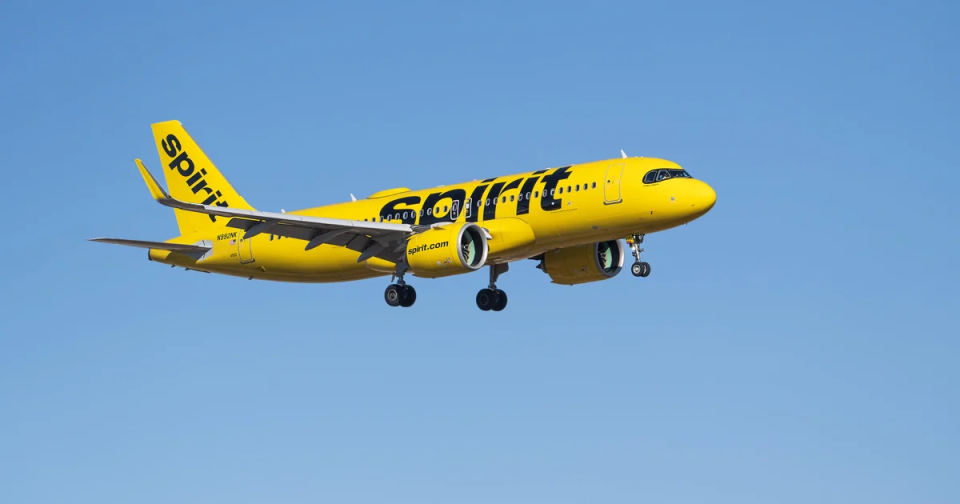
Spirit Airlines could soon move from restructuring to liquidation, a shift that would undo months of work aimed at keeping the carrier alive. The airline had been expecting to exit bankruptcy by early summer, but rising fuel costs have changed the calculation and left creditors and managers weighing tougher options.
In February, Spirit announced that it had reached an agreement in principle with lenders on the key terms of a restructuring support agreement. That deal was meant to give the company the financial support needed to finish its Chapter 11 case and reduce debt, fleet size, and operating costs.
By March, the company said it had filed a formal restructuring support agreement and plan of reorganization, still pointing to an expected exit from Chapter 11 by early summer. At that stage, Spirit was trying to present a clear path forward, even though it had already filed for bankruptcy for the second time in less than a year.
The problem now is that the cost picture has worsened. Bloomberg reported that rising jet fuel prices, linked to the U.S. conflict with Iran, have put new pressure on Spirit’s finances, and Reuters reported earlier that Spirit had already warned that sustained fuel spikes could hurt the company materially. For an airline that depends on low fares and tight cost control, that kind of move can quickly upset a restructuring plan.
Spirit is not alone in facing higher fuel costs, but its situation is more delicate than most. Larger airlines can sometimes absorb sharp changes better because they have more cash, broader networks, and more flexibility in pricing. Spirit, by contrast, is still trying to rebuild trust with lenders, reset its fleet, and find a business model that can survive with less room for error.
That is why the possibility of liquidation matters so much. It would mean the recovery plan has failed before it had a chance to prove itself, and it would force the company into a far harsher outcome than the one it was preparing for just weeks ago. Even if the company keeps talking with creditors, the fact that liquidation is now part of the discussion shows how narrow Spirit’s options have become.
For passengers and employees, the company’s future now looks more uncertain than it did at the start of spring. The airline may still choose to continue operating, but the latest reporting suggests that the next decision could determine whether Spirit Airlines remains a going concern or becomes another cautionary example of how quickly a bankruptcy case can break when costs move against it.
