
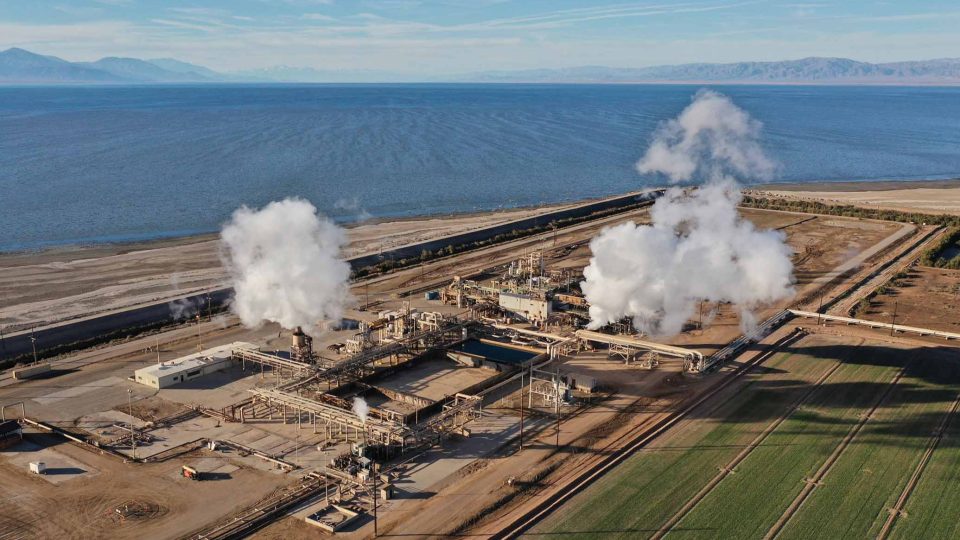
Geothermal energy has carved out a small but steady spot in the U.S. power landscape for decades. Plants in California, Nevada, and Hawaii tap hot rocks near the surface to produce steam that spins turbines, delivering about 0.4% of the nation’s electricity today. The U.S. Department of Energy estimates the country sits on enough underground heat to cover more than 8.5% of its power needs if developers can access it efficiently. Growth stayed modest at around 50 megawatts per year over the last decade, held back by high drilling costs and geography limited to western hot spots.
That picture shifts with new technology. Enhanced geothermal systems fracture deep rocks to create man-made reservoirs, borrowing horizontal drilling from oil fields to reach heat anywhere suitable rock exists. This opens vast areas beyond volcanoes, with the potential to multiply output tenfold. The Department of Energy’s Geothermal Technologies Office projects costs could drop to $45 per megawatt-hour by 2035 through these advances, matching gas plants on price while running nonstop. Capacity factors hit 90-95%, far above wind’s 35% or solar’s 25%, making it ideal for grids facing AI data centers and electric vehicles that could double demand by 2030.
Fervo Energy’s recent $462 million funding round underscores this momentum. The Houston firm, focused on next-generation geothermal, pulled in investors including Google, B Capital, and Breakthrough Energy Ventures in its Series E. The money targets Cape Station in Beaver County, Utah, a project aiming for 100 megawatts online in 2026 and 500 megawatts by 2028. Fervo’s CEO Tim Latimer explains the appeal: “Energy markets are demanding dependable, carbon-free power at an unprecedented scale, and Fervo is uniquely equipped to meet this demand.” Drilling know-how cuts well times, while fiber-optic sensors map heat flows precisely, proving out in pilots like Project Red in Nevada that ran 3.5 megawatts continuously last year.
Federal policies add tailwinds. The 2022 Inflation Reduction Act offers 30% tax credits for geothermal, drawing over $1 billion in private funds since. Sarah Jewett, Fervo’s senior vice president of strategy, notes the broader shift: “This reflects a genuine belief that geothermal energy will play a significant role in our future electricity generation both in the U.S. and internationally.” Current national capacity stands at 3.7 gigawatts, but a DOE roadmap targets 60 gigawatts by 2050 with consistent backing.
Water use in dry regions and subsurface permitting snag progress at times. Even so, successes build confidence. Google buys Fervo power for its data centers, betting on round-the-clock reliability without fuel or weather worries. Utah, Nevada, and Texas lead upcoming builds, filling gaps left by variable renewables. Geothermal steps up as a quiet anchor for cleaner, steadier grids ahead.
