
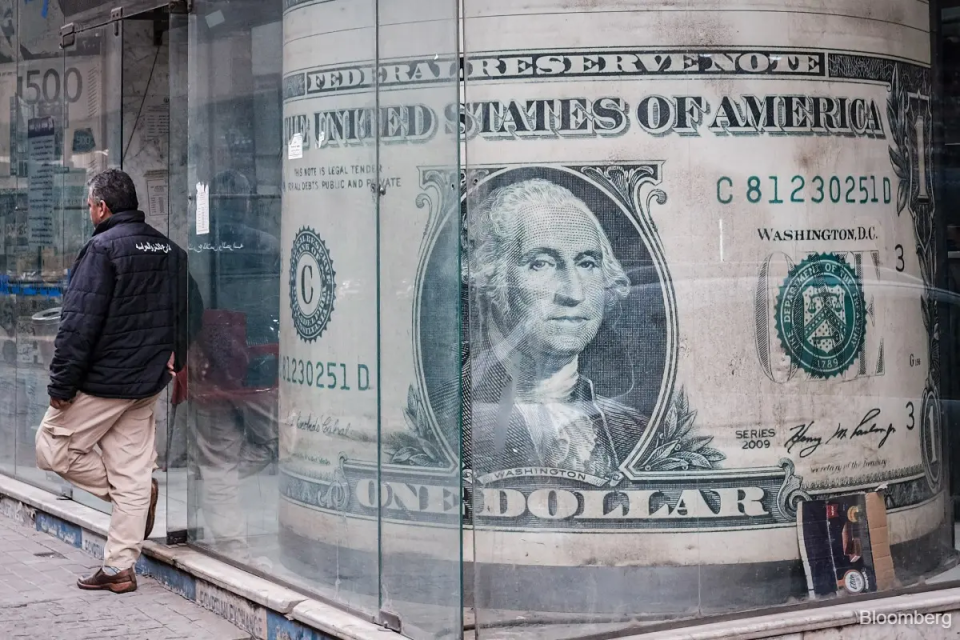
The US dollar has hit its lowest point in two and a half years, capping off a turbulent stretch marked by political drama, economic uncertainty, and shifting global investment flows. The ICE US Dollar Index, a widely watched measure of the dollar against a basket of major currencies, has dropped more than 4% since the start of 2025, a decline not seen since the aftermath of the 2008 financial crisis.
Several factors have come together to push the greenback lower:
Tariff Uncertainty and Political Tensions – President Donald Trump’s renewed push for unilateral tariffs has rattled investors. Recent comments about notifying trading partners of new levy rates have stoked fears of a trade war, prompting a retreat from US assets. The situation is compounded by public clashes between Trump and Federal Reserve Chair Jerome Powell, with threats of dismissal and sharp criticism making headlines. This has led to a noticeable decline in confidence regarding US economic policymaking.
Shifting Global Investment – At the end of 2024, global investors were heavily overweight US assets, betting on continued American economic outperformance and the ongoing boom in artificial intelligence. However, the surprise announcement of aggressive tariffs changed the calculus. Fears that the US economy could slow more than others prompted a rapid rebalancing, with investors moving money out of US stocks and bonds into foreign assets. This shift means selling dollars to buy other currencies, directly weakening the dollar.
Interest Rate Outlook – The Federal Reserve’s stance has also played a role. A weaker-than-expected inflation report helped cement expectations for two quarter-point rate cuts later this year. Lower rates tend to make a currency less attractive to investors seeking yield.
Global Economic Developments – Economic weakness in the US, combined with assertive policy moves by the European Central Bank and other central banks, has made the dollar less compelling. The euro, for example, has surged more than 4% in the past week alone.
So, what’s next for the dollar? The consensus among analysts and industry professionals is nuanced.
Some, like the team at Cambridge Associates, expect the dollar to remain volatile, with the potential for brief rallies if US growth surprises to the upside or if global markets face new shocks. However, the overall trend is likely to be downward as US economic growth moderates and the Federal Reserve cuts rates.
Citi Private Bank’s analysts see the dollar as vulnerable over the medium term, especially if trade tensions escalate and the Trump administration’s bargaining power wanes. They also note that the Fed’s shift toward easing policy could intensify downward pressure on the dollar, particularly against currencies like the Japanese yen, where central banks are moving in the opposite direction.
The recent move isn’t seen as a fundamental rejection of the dollar, but rather a tactical shift. As global investors diversify away from US assets, the dollar’s value naturally declines. If US growth slows more than expected and international economies pick up steam, the dollar could continue to lose ground.
The unpredictability of US trade and fiscal policy remains a wild card. If the Trump administration pivots to actively advocate for a weaker dollar to boost exports, or if foreign retaliation to tariffs intensifies, the greenback could see sharper declines.
A weaker dollar has wide-reaching implications. US exports become more competitive abroad, which can help American manufacturers. However, it also raises the cost of imports, potentially fueling inflation and squeezing consumers and businesses that rely on foreign goods. For multinational companies, currency swings can impact earnings, while investors with international holdings may see gains or losses depending on how their portfolios are positioned.
