
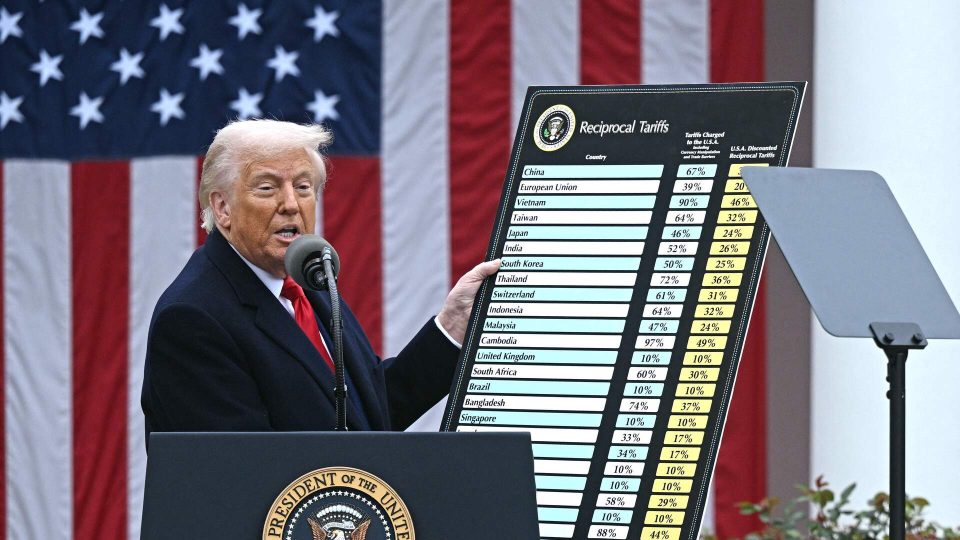
Earlier this year, the U.S. Supreme Court struck down President Trump’s broad tariffs, ruling that he overreached by using emergency powers under the International Emergency Economic Powers Act, or IEEPA. That decision came in February and left businesses wondering what would replace those duties. Trump responded swiftly by invoking Section 122 of the Trade Act of 1974, imposing a 10% surcharge on nearly all imports to address what the administration calls a severe balance-of-payments deficit. Today the U.S. Court of International Trade hears arguments from challengers who say this move stretches the law too far.
Section 122 dates to the 1970s, a time when the U.S. dollar was tied to gold and fixed exchange rates ruled international finance. Congress gave presidents authority to slap up to 15% tariffs on imports for no more than 150 days if the country faced a “large and serious” payments imbalance, meaning more dollars flowing out for goods and services than coming in. The White House argues this fits perfectly, as foreign purchases of U.S. goods lag behind American imports, creating vulnerability. They point to over a century of laws delegating trade tools to the executive branch for national security and foreign affairs.
Critics see it differently. The 24 Democratic-led states, joined by spice importer Burlap & Barrel and toy marketer Basic Fun!, Inc., filed suits claiming no such crisis exists in the modern economy. Since the U.S. abandoned the gold standard and fixed rates in the 1970s, they argue, balance-of-payments issues manifest as currency adjustments, not sudden deficits requiring unilateral action. Foreign capital inflows and investments offset trade gaps, they say, so Section 122 does not apply to a 10% blanket tariff. The states call it another attempt to bypass Congress, ignoring the law’s narrow intent.
Burlap & Barrel explains the real-world stakes on its site. The company sources spices directly from farmers worldwide and promised not to pass tariff costs to customers or suppliers. A year in, they have held firm but warn that ongoing duties threaten that model. Basic Fun! which handles brands like Tonka trucks, Lincoln Logs, and K’nex, faces similar pressures on imported components and finished toys. These firms represent thousands affected by higher costs on everything from electronics to apparel, with North American supply chains feeling the pinch most acutely.
Trade lawyer Timothy C. Brightbill from Wiley Rein told reporters he anticipates skepticism from the three-judge panel, which differs from the earlier Court of International Trade group that fed into the Supreme Court case. The Liberty Justice Center, a libertarian outfit that won the prior Supreme Court challenge, represents the plaintiffs. Brightbill notes the court may question broad application of Section 122, but a full resolution could take months, by which time the 150-day clock might expire or new measures emerge.
The administration stands firm. In statements, officials emphasize lawful use of delegated powers and commitment to defending the action. They frame tariffs as essential responses to international conditions, bolstering U.S. leverage in negotiations. Yet opponents highlight overlooked factors like service exports and capital surpluses that truly balance accounts.
For North American business readers, this fight matters beyond Washington. Canadian and Mexican firms intertwined with U.S. markets brace for ripple effects, from auto parts to agriculture. If the court sides with challengers, importers could seek refunds, easing short-term pain but inviting policy shifts. A win for Trump would validate Section 122, potentially extending duties or spawning hybrids.
The hearing unfolds amid volatile markets, where tariff news sways investor sentiment. Past rulings have spiked uncertainty, as seen in February’s post-Supreme Court swings. Companies now model scenarios, some stockpiling goods before deadlines.
Legal experts watch for signals on constitutional bounds. Does Section 122 survive scrutiny in a floating-rate world, or does it join IEEPA on the shelf? The panel’s questions today may hint at outcomes.
Businesses wait, weighing costs against adaptation. Tariffs reshape decisions daily, from sourcing to pricing.
