
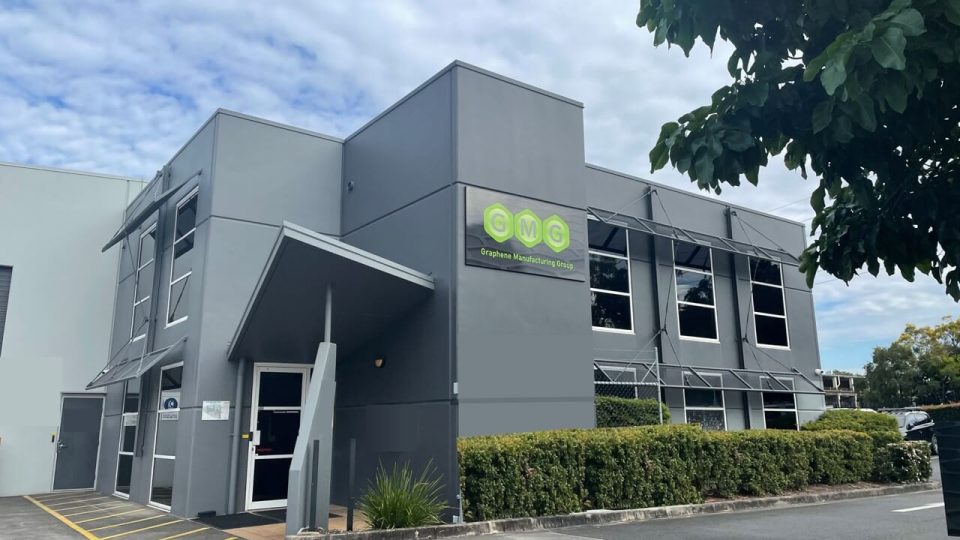
Graphene Manufacturing Group Ltd. (TSXV: GMG, OTCQX: GMGMF), an Australian clean-technology company, recently achieved a key milestone with the approval of a 20-year patent in Australia for its THERMAL-XR® ENHANCE graphene-based coating technology. This innovative coating is designed to improve heat transfer efficiency, particularly in large heating, ventilation, and air conditioning (HVAC) systems. The company is also pursuing patent approvals in other countries as it works to expand the reach of its technology worldwide.
Beyond securing patent protection, GMG has delivered tangible proof of the technology’s effectiveness through real-world energy savings projects. Notably, the company and its distributors completed a significant project at a major international airport, applying the THERMAL-XR® ENHANCE coating to cooling coils in the air handling units. Results showed a marked reduction in the temperature of the air passing through the cooling coils by 10.6% on average. The specific drop in temperature attributed to the coating was 1.2 degrees Celsius (2.4 degrees Fahrenheit), which reflects an improvement in the cooling process efficiency.
In addition to the temperature drop, air flow pressure across the cooling coils also improved significantly, with a 10.5% reduction in pressure loss observed after applying the graphene coating. This translates into less energy wasted overcoming friction inside the coils, further boosting the system’s overall efficiency. The reduction in air flow pressure alone, measured after washing and coating, was about 6.5%, a key metric demonstrating the value added by the graphene surface modifying the coil’s internal friction characteristics.
Craig Nicol, GMG’s Managing Director and CEO, highlighted the importance of these results, stating that the ongoing partnership with distributors and customers is allowing the company to implement more projects that deliver energy savings globally. The success at the large airport reinforces their approach in the market and provides a strong case for broader deployment of THERMAL-XR® coatings across various industries that rely on HVAC or process cooling systems.
GMG produces graphene through a proprietary process that decomposes methane into elemental carbon (graphene), hydrogen, and minor hydrocarbons. This approach yields high-quality, low-cost, and scalable graphene suitable for diverse clean-technology applications. Currently, GMG’s primary focus areas include energy-saving coatings for HVAC systems, industrial heat sinks, and data centers, as well as developing graphene additives for lubricants that target fuel savings in diesel engines. Alongside energy savings, they are actively collaborating with the University of Queensland and receiving Australian government support to develop next-generation graphene aluminium-ion batteries, aiming to advance energy storage solutions.
The THERMAL-XR® coating’s ability to reduce both the temperature load and air pressure loss within cooling coils presents an opportunity for significant operational cost reduction and energy consumption cuts in buildings and industrial facilities. These benefits come amid growing pressures to improve energy efficiency and reduce carbon emissions in infrastructure globally. GMG’s work provides a glimpse into how advanced materials like graphene can enhance longstanding technologies to meet such demands.
In previous independent tests, THERMAL-XR® coatings delivered energy savings in refrigeration and air conditioning applications ranging from roughly 5% to over 15%, supporting GMG’s confidence in the technology’s potential across a broad range of use cases. The company continues testing applications on different metals and temperature ranges to refine its offerings and expand deployment.
For now, the approval of the Australian patent and the documented success of the airport project mark pivotal moments for GMG as it seeks to grow its presence in energy-efficiency tech markets. The company’s integration of graphene into heat exchange surfaces takes a unique approach to boost conductivity and heat transfer, which remains a compelling value proposition for industries seeking innovative ways to cut costs and carbon footprints.
