
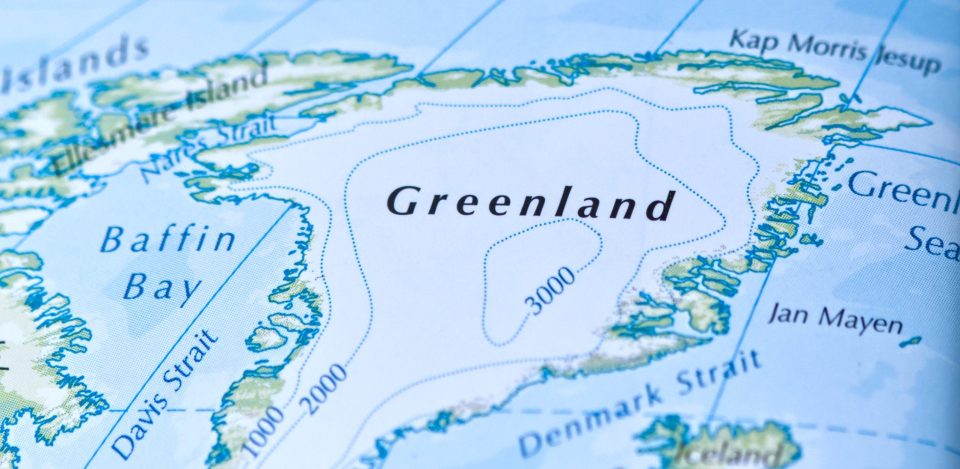
Trade negotiations between large economies rarely unfold smoothly, especially when strategic resources enter the picture. European lawmakers took today a firm step by suspending its trade deal with the U.S. The decision came after President Donald Trump threatened tariffs on several European countries. Those threats tied directly to his renewed push to acquire Greenland, an autonomous Danish territory rich in valuable minerals.
Greenland occupies a unique spot in global discussions. It lies between the North Atlantic and Arctic Oceans and holds massive deposits of rare earth elements and other materials essential for batteries, electronics, and renewable energy tech. Europe needs these supplies to meet climate targets and reduce dependence on China, which dominates production. The U.S. shares similar goals. Last summer negotiators from both sides reached a political agreement on a trade pact covering minerals, energy cooperation, and tariff reductions. That deal capped U.S. tariffs on most EU goods at 15% while Europe offered cuts on American industrial imports.
The trouble started on the weekend when Trump announced plans for 10% tariffs on imports from eight countries: Denmark, Norway, Sweden, France, Germany, the U.K., the Netherlands, and Finland. He linked the move explicitly to their opposition to a U.S. purchase of Greenland. The rate would climb to 25% by June 1st unless a deal materialized. These countries represent key European trade partners, and the tariffs would hit goods from cars to machinery. Lawmakers in Brussels saw this as economic coercion undermining the summer agreement.
Tariffs function as taxes on imports, designed to protect domestic industries by raising the price of foreign goods. Trump framed them as leverage for national security and resource control. His administration views Greenland’s minerals as critical for tech dominance and defense applications. Europe countered that such threats violate the spirit of partnership. The European Parliament’s trade committee chair, Bernd Lange, called for an immediate pause. Major political groups quickly backed the suspension, delaying a scheduled vote.
This trade deal went beyond minerals. It aimed to stabilize supply chains strained by prior tariff wars. Implementation required parliamentary approval, which now sits on hold. EU leaders plan to meet and discuss responses, potentially including retaliatory measures worth up to $101 billion (€93 billion) in U.S. goods. Such steps could target aircraft, autos, and machinery, escalating costs on both sides.
Greenland’s local government stays in the middle. It seeks mining investment that creates jobs while protecting its environment and communities of around 56,000 people. Leaders prefer long-term stable partnerships over short-term pressure tactics. The U.S. interest dates back to Trump’s first term when he floated a full purchase. That idea met swift rejection, but resource access remains a priority.
Businesses feel the immediate effects. Companies manufacturing electric vehicles or wind turbines face supply risks. Higher tariffs disrupt pricing and delay projects. European firms might turn to alternative sources, while U.S. manufacturers absorb added costs or scramble for substitutes. Markets reacted quickly, with U.S. futures dipping on the news.
The summer deal emerged from tense talks at Trump’s Turnberry golf resort in Scotland. European Commission President Ursula von der Leyen secured concessions after months of tariff battles. Now that progress unravels. Lawmakers argue the U.S. demands on Greenland breach commitments for balanced trade. Some MEPs prepared amendments criticizing the pact as overly favorable to America even before the threats.
Broader trade patterns hang in the balance. Trump promised aggressive tariffs upon re-election in 2024, targeting deficits and security gaps. Europe prepared countermeasures during 2025 escalations, suspending some after temporary truces. This Greenland link adds a geopolitical twist, blending resource grabs with commerce. Both sides lose from prolonged uncertainty: factories idle, prices rise, and innovation slows.
European diplomats left room for talks. Resuming requires tariff relief or Greenland compromises. Greenland itself holds sway as the resource owner. Business readers should watch how governments balance competition with cooperation. Resource disputes increasingly shape global markets, affecting investments from mining to manufacturing.
