
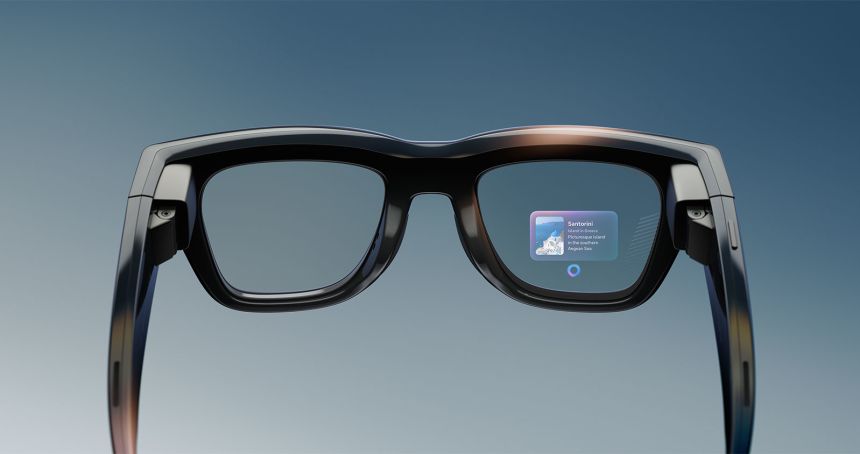
Meta Platforms (NASDAQ: META) has announced it is pushing back the international release of its Ray-Ban Display AI glasses because inventory levels cannot keep up with demand in the United States. The company had originally planned to bring the product to the United Kingdom, France, Italy, and Canada early this year, but those launches are now on hold.
The glasses in question are not just another pair of sunglasses with a camera tucked inside. Meta CEO Mark Zuckerberg introduced the Ray-Ban Display AI glasses in September at $799, describing them as a step forward in wearable artificial intelligence. Unlike earlier Ray-Ban smart glasses that Meta released in partnership with EssilorLuxottica, the Display version includes a small heads-up display that projects information directly into the wearer’s field of vision. Users control the device through a wristband, which allows them to navigate menus, send commands, and interact with apps without pulling out a phone.
Think of these glasses as a bridge between your smartphone and the physical world around you. You might receive navigation prompts while walking, see notifications from messaging apps, or get real-time translations of text you are looking at. The AI features are designed to respond to voice commands and gestures detected by the wristband, making the experience hands-free. Meta has been working on augmented reality hardware for years, and this product represents one of its most ambitious attempts to bring that technology to everyday consumers in a form that looks like regular eyewear.
Meta’s decision to delay the international rollout reflects a familiar challenge in the tech industry. When a new product exceeds expectations in its home market, manufacturers often struggle to produce enough units to satisfy both domestic and foreign customers at the same time. In this case, American buyers have been purchasing the Ray-Ban Display AI glasses at a pace Meta did not fully anticipate. Rather than splitting limited inventory across multiple countries and risking stockouts everywhere, the company chose to focus on the U.S. market first.
This approach is not unusual. Companies frequently stagger product launches by region to manage supply chains and gather feedback before expanding globally. However, the delay may disappoint European and Canadian customers who were expecting to purchase the glasses in early 2026. Meta has not provided a specific timeline for when the international rollout will resume, leaving potential buyers in those markets waiting for updates.
The Ray-Ban Display AI glasses are part of Meta’s broader push into wearable technology and the metaverse, a term the company uses to describe interconnected virtual environments. Meta has invested billions of dollars in its Reality Labs division, which develops virtual reality headsets, augmented reality glasses, and related software. The Ray-Ban collaboration allows Meta to experiment with consumer hardware under a familiar brand name, which could make people more comfortable adopting new technology.
For now, the glasses remain a U.S.-only product while Meta works to increase production capacity. The company has not disclosed exact sales figures, but the fact that it is delaying international expansion suggests the launch has been more successful than internal forecasts predicted. Whether that momentum continues will depend on how well the glasses perform in everyday use and whether Meta can address supply constraints before competitors release similar products.
The next few months will reveal whether Meta can meet demand at home and prepare for a second wave of launches abroad. European and Canadian customers will be watching closely for any news about revised release dates, while American buyers continue to test the limits of what these AI-powered glasses can do in daily life.
