
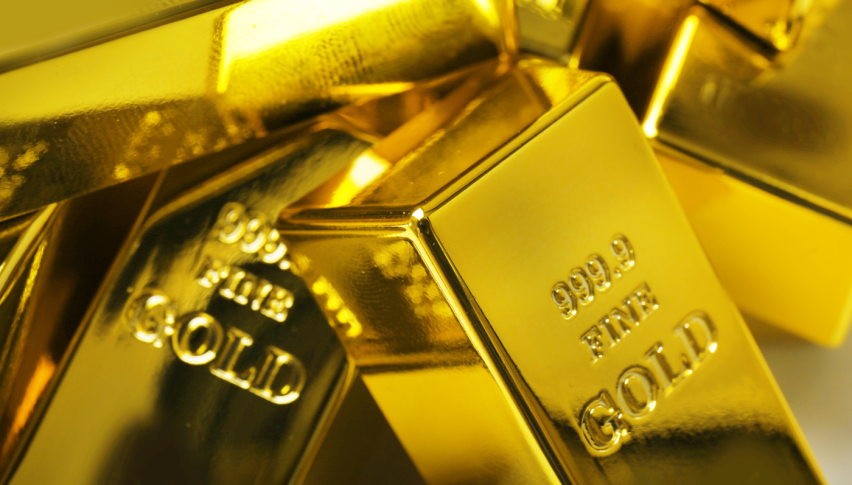
Gold and silver prices hit fresh all-time highs today, with gold touching $4,463.80 in intraday trading and silver reaching $69.525. These levels mark stunning gains for 2025, gold up 69% from its yearly start and silver soaring 137%. For anyone tracking global markets, this rally feels like more than a fleeting spike. It points to deeper shifts in how investors view safety and growth amid economic turbulence.
Central banks worldwide keep buying gold at a brisk pace, adding over 1,000 tonnes annually in recent years to diversify reserves away from traditional currencies. Countries like China and India lead this trend, stockpiling amid U.S. dollar concerns and trade frictions. Inflation lingers globally too, hovering above target levels in many economies, which pushes investors toward metals as a hedge against eroding purchasing power.
Geopolitical risks add another layer. Ongoing tensions in the Middle East and Eastern Europe remind markets of supply disruptions and safe-haven needs. Gold thrives here, drawing flows when stocks wobble. Silver benefits similarly but pulls extra lift from industrial uses. Demand for solar panels, electronics, and electric vehicles consumes vast amounts, with forecasts showing annual needs climbing past 1.2 billion ounces soon.
Historically, silver trades at about 80 ounces per ounce of gold, a ratio rooted in mining yields where silver often comes as a byproduct. This year tells a different story. With silver up 137% and gold 69%, the ratio has tightened to around 64:1 at these peaks. Silver outperforms because industrial hunger outpaces gold’s reserve role. Makers of green tech and gadgets snap up every ounce, while gold leans more on financial motives.
Think of it this way. Gold serves as the quiet anchor for portfolios and central vaults. Silver hustles in factories, powering the shift to renewables and smarter devices. As global electrification accelerates, silver’s dual appeal shines brighter. Investors notice, piling in and narrowing that longstanding gap between the two.
Sovereign debt piles up everywhere, with global levels topping $300 trillion. Fears of higher borrowing costs and potential defaults make metals look appealing. When governments print money to cover gaps, it fuels inflation worries, circling back to gold and silver as timeless stores of value. Traders watch U.S. Treasury yields and Federal Reserve signals closely, but metals shrug off rate hikes better than bonds lately.
Commodity exchanges buzz with volume too. Gold futures traded heavily today, reflecting broad participation from hedge funds to retail players. Silver volumes spiked alongside, hinting at fresh conviction. These flows create momentum, where rising prices draw more buyers in a self-reinforcing loop.
This bull run spills into related sectors. Mining firms see share gains, though they trail the metals themselves. Exchange-traded funds holding physical bullion swell with inflows, making it easy for everyday investors to join. Global jewelry demand holds firm in Asia, adding cultural ballast to the price action.
Supply chains for tech and energy face metal squeezes, potentially hiking costs for business leaders. Yet portfolios diversified with precious metals weather volatility better. As 2025 closes, industrial pull keeps silver leading, while gold holds steady if risks escalate further. Markets will decide, but the drivers look entrenched.
