
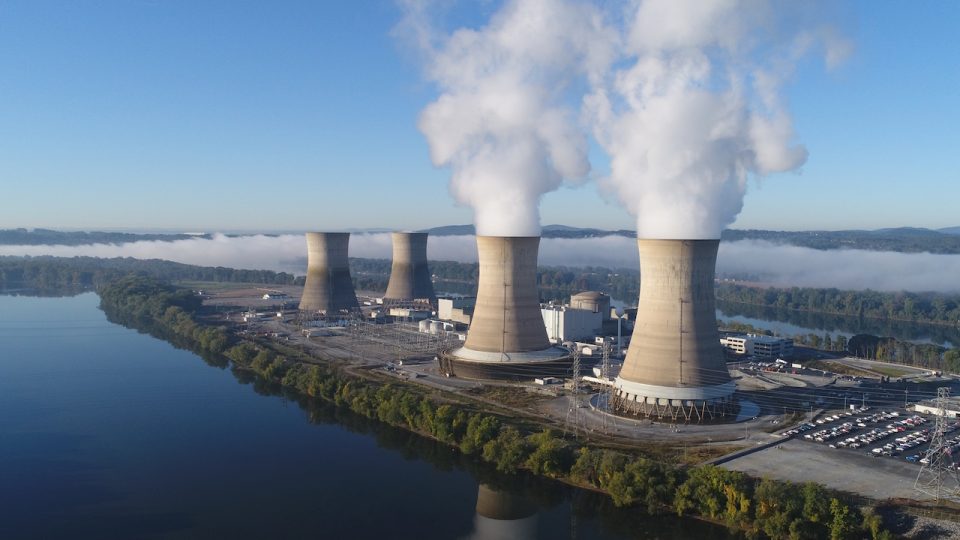
The Three Mile Island nuclear power plant in Pennsylvania, known for a partial meltdown in 1979 that marked the most severe accident in U.S. commercial nuclear energy history, is set to restart as part of a new initiative to supply power to Microsoft’s data centers. The U.S. Department of Energy has approved a $1 billion loan to support this effort, signaling a renewed interest in nuclear energy as a backbone for growing technological infrastructure demands.
The plant’s history is a mix of caution and learning. On March 28, 1979, a series of mechanical failures and operator errors led to a partial meltdown in the Unit 2 reactor, releasing radioactive gases. While no deaths or direct health impacts were conclusively linked to the accident, the event deeply influenced nuclear safety regulations, emergency planning, and reactor oversight in the U.S. It was a cautionary tale that reshaped the nation’s nuclear industry for decades.
Today, the conversation is different. The energy landscape is evolving rapidly. AI technology, cloud computing, and massive data processing have created unprecedented electricity demands, especially for data centers operated by companies like Microsoft. These facilities require reliable, high-capacity power with minimal interruptions and a commitment to reducing carbon emissions. Nuclear energy emerges as a practical component in this new equation.
Restarting the Three Mile Island plant involves addressing not only technical and safety challenges but also meeting strict regulatory standards that have become more rigorous since 1979. The Department of Energy’s $1 billion loan to Constellation Energy, the operator, will help finance the complex process of bringing the idled reactors back online. This financial backing underscores a government belief that nuclear power can be part of a diverse energy portfolio essential to meet the nation’s data and AI infrastructure needs.
Nuclear power plants like Three Mile Island offer a key advantage in providing steady, reliable electricity over long periods. Unlike renewable sources such as wind or solar, which depend on weather conditions, nuclear plants operate continuously and at scale, making them suitable to balance the grid and support power-hungry technology centers. For data centers that run demanding AI applications around the clock, this reliability can translate to efficiency gains and reduced environmental impact compared to fossil fuel reliance.
The decision to back the restart also reflects a broader recognition of nuclear energy’s role in addressing climate change while supporting cutting-edge technology. As artificial intelligence development accelerates, so does its consumption of electrical power. Meeting this demand requires infrastructure investments that are both robust and sustainable. Nuclear plants contribute no carbon emissions during operation, providing a clean energy source at a time when decarbonizing technology sectors is a priority.
Microsoft, one of the largest data center operators globally, has been vocal about its commitment to sustainability and carbon-negative goals. Sourcing power from nuclear plants like Three Mile Island fits within this strategy, offering a steady stream of low-carbon electricity to power its expanding network of AI processing centers. This partnership between tech firms and energy providers illustrates a growing trend of industry collaboration aimed at modernizing the energy grid with an eye toward environmental responsibility.
The restart of Three Mile Island, soon to be renamed the Crane Clean Energy Center and expected to be back in operation in 2027, is not without challenges, including ensuring safety, addressing public concerns rooted in history, and integrating nuclear output with modern grid demands. However, it also represents a moment where lessons from past incidents meet present innovation needs, creating a model for how nuclear energy can be reinvented for today’s technology-driven economy.
In the end, the investment by the U.S. Department of Energy and the involvement of Microsoft underline a shift in how nuclear power is viewed. No longer just a controversial energy source from the past, it is increasingly seen as essential infrastructure for powering the next generation of digital technology and AI innovation.
