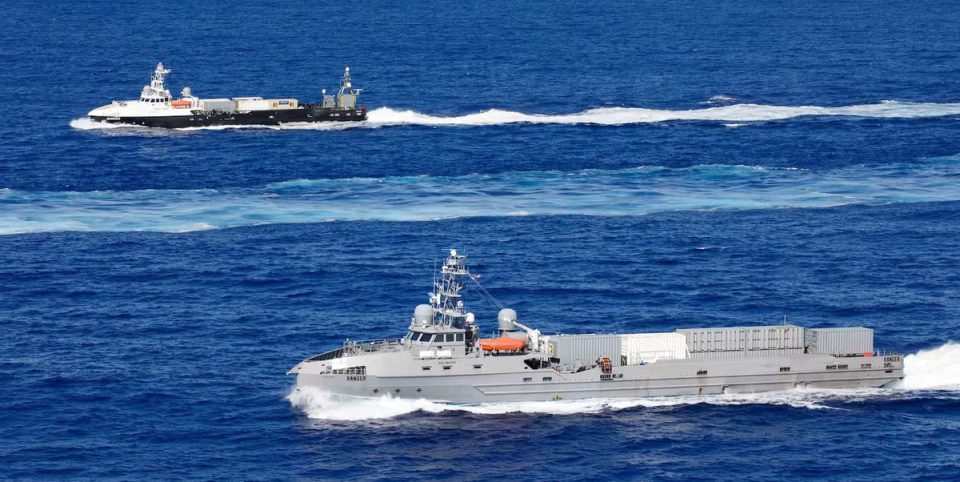
The U.S. Navy and the General Services Administration recently handed Gecko Robotics a five-year contract known as an IDIQ, or indefinite delivery, indefinite quantity agreement. This deal carries a ceiling of $71 million in funding. It opens the door for using artificial intelligence and robotic systems to inspect and maintain military equipment. The work kicks off with 18 ships in the Pacific Fleet, and an initial task order could reach up to $54 million over that same five-year span. Any branch of the government can tap into this setup, making it a shared resource across services.
Think of an IDIQ contract as a flexible buying tool for the government. It sets a broad framework upfront without locking in exact amounts or timelines right away. Agencies call on it when needs arise, much like keeping a credit line open for future purchases. Here, the focus falls on structural health checks for ships and other assets. The Navy wants to spot problems early, before they sideline vessels. Crews and engineers no longer climb ladders or squeeze into tight spaces with hammers and flashlights for basic inspections. Instead, they send in machines that do the job quicker and with less risk.
Gecko Robotics brings specialized gear to this effort. Their wall-climbing robots stick to ship hulls and tanks using magnetic or vacuum tethers, scanning every inch for cracks, corrosion, or thinning metal. These bots carry high-resolution cameras, ultrasonic sensors, and laser scanners to map surfaces in detail. Drones join in for harder-to-reach spots, like masts or overhead compartments. Sensors embedded in the mix pick up vibrations, temperatures, and stress patterns that signal wear. All this feeds into AI models trained on years of naval data. The software crunches numbers to flag defects humans might miss, often up to 50 times faster than traditional methods.
This setup profiles the contract perfectly. It starts narrow with those 18 Pacific Fleet ships, including destroyers built for open-ocean combat, amphibious warships that ferry troops and gear, and littoral combat ships designed for near-shore operations. Success there could roll out to submarines, carriers, or even land-based facilities. The government-wide access means the Army or Air Force might adapt the tech for tanks or aircraft hangars. Gecko’s role grows as orders come in, blending their hardware with custom AI tuned to military specs. No fixed end price exists yet; it depends on how often agencies call for service.
What sets Gecko’s approach apart lies in how it shrinks labor needs while matching or beating old results. Manual inspections demand teams of divers, riggers, and welders spending days or weeks prepping, scanning, and reporting. Workers enter hazardous zones, like fuel tanks laced with fumes or hulls pocked by saltwater decay. One ship check might tie up 20 people for a month, halting operations and burning fuel in port. Gecko’s robots handle the same coverage with a fraction of the crew. A single operator deploys a bot, monitors feeds remotely, and reviews AI outputs. Data pours in digitally, skipping handwritten logs or photo stacks.
The payoff shows in raw efficiency. Robots cover square footage at speeds manual crews cannot touch, often finishing in hours what took weeks. AI sorts the noise, prioritizing real threats over cosmetic wear. This cuts total man-hours by orders of magnitude. For every defect found the old way, which required hauling gear and briefing officers, the new method logs it instantly with 3D models and risk scores. Labor shifts from grunt work to analysis, freeing skilled technicians for repairs or training. The Navy reports fewer delays overall, as ships spend less time docked.
Predictive maintenance takes this further, turning data into foresight. Rather than fixing breaks after they happen or guessing based on calendars, the system watches trends. Sensors track how metal fatigues under repeated waves or engine heat. AI predicts failure points, scheduling work just before trouble hits. This boosts fleet readiness, a key metric where the Chief of Naval Operations aims for 80% of ships mission-capable at any time. Delays from surprise rust or weld failures drop sharply. Costs follow suit, with less overtime, fewer parts rushed overnight, and shorter port stays that save millions in idle expenses.
This parallels any asset-heavy operation, from oil rigs to factories. Navies face unique pressures, though, with ships worth billions steaming through hostile waters. Predictive tools extend hull life by catching issues early, much like monitoring truck fleets for tire wear. Energy use dips too, as cleaner hulls slice drag. Safety climbs when humans skip the crawl spaces. Gecko’s contract tests this at scale, proving robots and AI deliver defense results without ballooning headcounts.
Across the Pacific Fleet, those initial 18 ships stand to gain first. Destroyers prowl for threats, amphibious vessels launch Marines, and littoral ships hunt subs near coasts. Each type stresses hulls differently, from high-speed sprints to heavy load shifts. Gecko’s kit adapts, scaling from small cracks to full-plate scans. As AI learns from real deployments, accuracy sharpens, feeding a cycle of better predictions. Other services watch closely, ready to plug in their own gear.
Labor savings compound over five years. A manual overhaul might claim thousands of labor hours per vessel. Robots slash that to hundreds, mostly oversight roles. The same results emerge: thorough maps, prioritized fixes, and verified health. Crews stay sharper, focused on missions over maintenance marathons. This contract marks a pivot for how militaries care for their tools, leaning on tech to keep pace with modern demands.
