
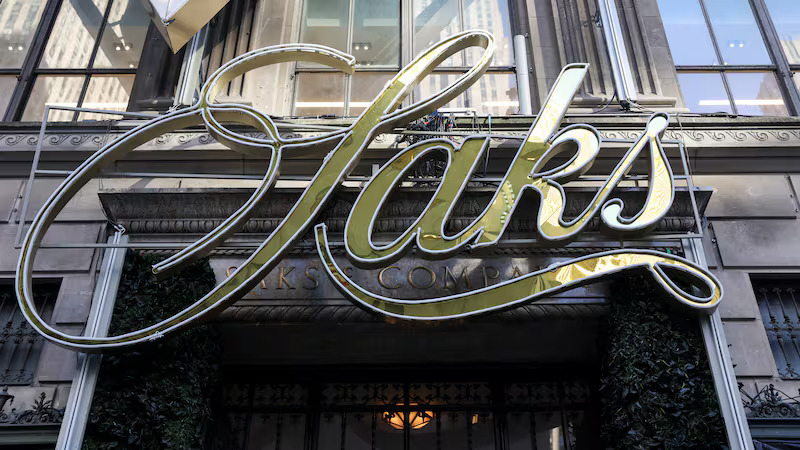
When Amazon (NASDAQ: AMZN) filed its objection in the ongoing bankruptcy proceedings of Saks Global, it was more than a routine legal move. It was a public signal that one of the world’s largest technology companies had grown deeply uneasy about how its investment might be treated as creditors line up for repayment. The dispute springs from Amazon’s $475 million commitment to support Saks’ ambitious acquisition of Neiman Marcus, a deal that once looked like a way to reinvent luxury retail in the digital age. Today, Amazon claims that stake is “worthless,” and it is not taking the loss quietly.
The tension arose after Saks Global, once a high-profile luxury department store operator, filed for bankruptcy protection. Although the company had been optimistic about merging Saks Fifth Avenue and Neiman Marcus under one roof, the integration came with heavy debt and sluggish luxury sales in the post-pandemic retail climate. Amazon’s capital was originally meant to give Saks the technology infrastructure to compete with European luxury groups like LVMH and online rivals such as Farfetch. Instead, as the bankruptcy case unfolded in U.S. court, Amazon accused Saks of structuring a financing plan that unfairly benefits other creditors while leaving its own recovery prospects in jeopardy.
The heart of Amazon’s objection lies in creditor priority. In any bankruptcy, the repayment order determines who gets what from remaining assets. Amazon argues that Saks’ proposed financing would effectively move it further down that queue, weakening its ability to recover funds. The company told the court that it would pursue “drastic remedies” if its concerns are ignored. Those remedies could include requesting the appointment of an independent examiner to scrutinize Saks’ finances or even a trustee to take over aspects of the process, serious measures that typically emerge only in highly contested bankruptcies.
To understand why Amazon’s reaction is so forceful, it helps to recall how its involvement in Saks began. When Amazon made the $475 million equity investment, it was not just about financial returns; it was part of a broader effort to extend its reach into luxury retail. At the time, Amazon had been gradually experimenting with high-end fashion on its platform, an area long resistant to e-commerce. By backing Saks, Amazon gained both a foothold in the luxury world and access to an established customer base that valued brand exclusivity. But as Saks’ financial structure unraveled, Amazon’s stake turned from a strategic play into a high-risk entry on its balance sheet.
For Saks, the bankruptcy plan is an attempt to stabilize operations and emerge with a cleaner balance sheet. The company’s proposal reportedly offers debtor-in-possession financing that would allow it to continue running stores and online platforms while restructuring debts. However, Amazon fears that the financing could secure existing lenders ahead of equity holders, effectively locking in losses on its investment. Legal experts note that Amazon’s objection might be motivated not only by potential financial recovery but also by preserving a precedent for how large corporate creditors are treated in complex retail bankruptcies.
This case also reflects a broader shift in how mergers between legacy retailers and tech firms can unravel. Traditional retail brands have increasingly relied on technology partnerships to modernize their operations and return to profitability. Yet, as this dispute shows, when the market turns and bankruptcy enters the picture, those partnerships can quickly dissolve into adversarial standoffs. Amazon’s move suggests it is keenly aware of how creditor hierarchies can affect future negotiations involving its strategic investments in other sectors, from healthcare to logistics.
The implications go beyond Amazon or Saks Global. Other companies that have taken equity positions in financially leveraged retail ventures will likely pay close attention to how courts handle Amazon’s objection. If the court sides with Amazon, it could encourage investors to demand clearer protections when funding acquisitions tied to highly indebted targets. On the other hand, if the court upholds Saks’ plan, the outcome may signal that minority investors carry limited power once bankruptcy proceedings begin. For now, the case underscores how the line between strategic partnership and financial liability can blur in the modern retail landscape, where even a company the size of Amazon can find itself fighting to protect its place in the queue when the bills come due.
