
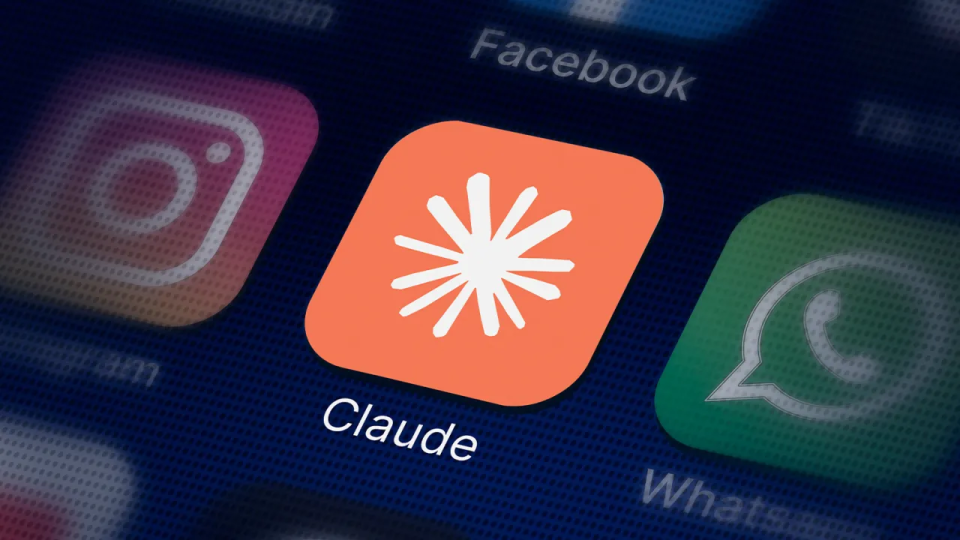
Anthropic’s Claude app has become the most downloaded free app on the iPhone in the United States, pushing OpenAI’s ChatGPT into second place and briefly claiming the top spot on Apple’s App Store. This shift is notable because just a few weeks earlier Claude was not even in the top 100, and now it sits at the head of some of the most competitive categories on the platform. The move reflects not just a spike in downloads but also a broader shift in how users weigh trust, brand image, and ethics when choosing an AI assistant.
Claude’s rise began in earnest in early February, when Anthropic escalated its public-facing narrative on AI safety and its stance toward government use of its models. The company’s leadership publicly challenged the Pentagon’s approach to using AI for domestic surveillance and certain autonomous-weapons systems, drawing sharp criticism from some officials and elevated coverage across mainstream media. That attention coincided with a noticeable lift in top-free app rankings, as analytics firms such as Sensor Tower tracked Claude climbing from outside the top 100 as of late January into the top 20 by mid-February, then into the top three in the days before the Super Bowl weekend.
Around the same time, Anthropic sharpened its consumer-facing message through advertising and product updates aimed squarely at ChatGPT’s growing presence. On the Super Bowl broadcast, Anthropic aired a high-profile ad that mocked OpenAI’s decision to introduce ads into ChatGPT while positioning Claude as an ad-free, more ethically framed alternative. Data from app-tracking firms indicate that Claude’s U.S. downloads on iOS and Android jumped from roughly 112,000 over a three-day period before the game to about 148,000 in the three days afterward, lifting its daily install rate by more than 30%. Analysts at firms like BNP Paribas and similar tracking outfits noted that Claude posted the strongest registration and engagement growth among AI-focused ads that night, with daily active users rising about 11% in the days following the broadcast.
Even as that marketing push built momentum, broader conversations about AI ethics began to seep into mainstream discussion, especially after OpenAI announced plans to expand deeper into defense-related work with the U.S. Department of Defense. Some users interpreted that move as a step toward using AI in more militarized or mass-surveillance contexts, which in turn amplified Anthropic’s messaging about “guardrails” and limits on how its models can be deployed. That contrast, played out in interviews, op-eds, and social-media debates, helped Claude seem less like a generic chatbot and more like a brand with a distinct stance on AI governance, which appears to have resonated with parts of the consumer base.
By the last weekend of February, Claude had edged past ChatGPT for the No. 1 position on Apple’s U.S. free apps chart, with sources including CNBC and app-industry outlets reporting that the app held the top slot going into early March. Behind the headline-making rank, Anthropic’s own data show that daily sign-ups reached record levels multiple days in a row, free users grew by more than 60% since the start of the year, and paid subscribers on its Pro and Max plans more than doubled over the same period. Those figures suggest that what looks like a sudden spike in the App Store rankings is actually the culmination of a steady build-up in awareness, usage, and brand loyalty over the early months of the year.
From a business-culture perspective, Claude’s ascent illustrates how public narratives around AI can translate directly into consumer behavior. For years, Anthropic has been known within tech circles and research communities for its work on large-language models and comparatively cautious safety frameworks, but it remained relatively niche compared with OpenAI’s ChatGPT. The recent run of controversies, advertisements, and media disputes has turned those internal debates into front-page issues, which in turn has driven users to experiment with alternatives that seem more aligned with their own concerns about privacy, transparency, and military use. In that sense, Claude’s appearance at the top of the App Store is less about a single technical feature and more about the alignment of product, marketing, and public perception at a moment when AI’s role in everyday life is under renewed scrutiny.
For anyone watching the AI landscape, the episode offers a reminder that user-facing rankings are not just a reflection of engineering quality but also of how companies frame their values and respond to political and cultural pressure. As the U.S. consumer-tech market continues to react to debates over AI in defense, advertising, and surveillance, shifts like Claude overtaking ChatGPT may become more common, signaling that trust and brand narrative can be as important as accuracy or raw performance when it comes to adoption.
