
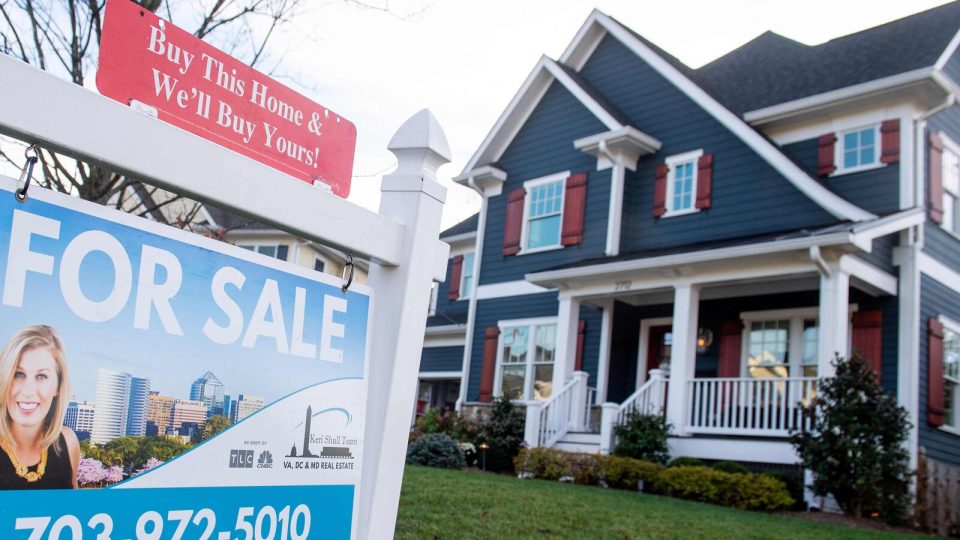
After nearly two years of elevated borrowing costs, a small shift in the U.S. mortgage market is offering homebuyers a bit of relief. The average 30-year fixed mortgage rate has dropped to 6.19%, according to recent data from Freddie Mac. It is the lowest level in several months and close to the year’s bottom. While it may not sound dramatic, even a fraction of a point matters in a market where affordability has been tested to the limit.
Many economists describe the decline as a reflection of both easing inflation and investors’ belief that the Federal Reserve’s rate-hiking cycle is nearly over. The central bank had pushed rates aggressively from 2022 through 2024 to counter persistent price pressures, but as consumer inflation slowed through 2025, expectations shifted. The benchmark yield on the 10-year Treasury, which heavily influences mortgage pricing, also retreated. Together, these forces set the stage for cheaper home loans and a slightly more optimistic housing outlook.
For many potential buyers, the change feels psychological as much as financial. Households that shelved plans earlier in the year are revisiting them, running new calculations, or returning to open houses for the first time in months. Anecdotal reports from real estate agents suggest activity has quickened in several metro areas, especially in the Sunbelt states where job growth remains steady and inventory is slowly expanding. A typical buyer financing a $400,000 home would now pay about $100 less per month than at the summer peak, according to Freddie Mac models. That is not a windfall, but in an era of tight budgets, it is meaningful.
Still, the broader supply picture has yet to change dramatically. New home construction held steady in late 2025, while existing homeowners, many locked into older mortgages below 4%, remain hesitant to sell. This “rate trap” limits the number of listings and keeps prices from adjusting as rapidly as earlier in the decade. Even so, analysts say that a sustained mortgage rate around or below 6% could slowly loosen conditions if confidence continues to build.
From a policy standpoint, the timing coincides with a cooling, though not collapsing, U.S. economy. Job creation has moderated but stayed positive, wage growth has slowed, and the inflation trend remains on the right path. The Federal Reserve’s next moves will likely hinge on whether price gains continue to subside through early 2026. If the trend holds, further gradual declines in borrowing costs could follow. That said, both Fed officials and market participants remain cautious, unwilling to declare victory before inflation aligns fully with the 2% target.
Homebuyers and sellers are adjusting to this new reality in practical ways. More borrowers are choosing fixed-rate loans over adjustable ones, reflecting a desire for stability after years of uncertainty. Builders are responding with modest incentives, including paying partial closing costs or trimming prices slightly in select developments. Meanwhile, lenders are seeing higher refinancing inquiries, a reminder that even small rate changes can ripple through household budgets.
The coming months will test whether this mortgage reprieve has deeper strength. If inflation continues to ease and employment remains resilient, lower borrowing costs could encourage a cautious recovery in home sales by mid-2026. Yet any rebound will likely unfold unevenly, shaped by regional job markets, local supply constraints, and consumer confidence.
For now, the 6.19% average rate stands as a small but hopeful marker, signaling that one of the toughest stretches for U.S. housing may finally be giving way to something a bit more balanced.
