
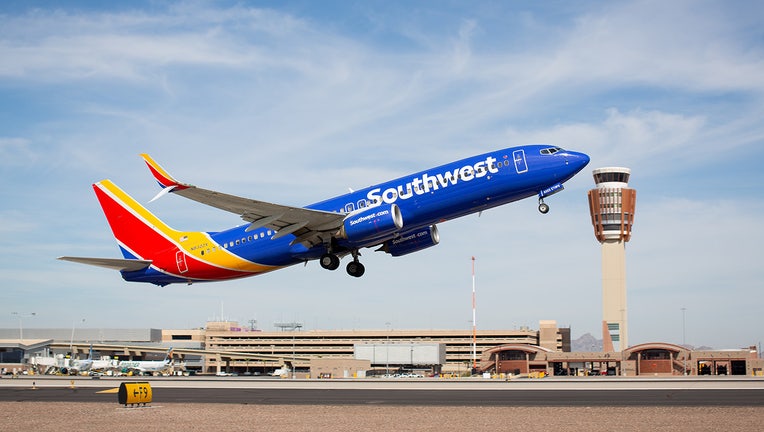
For more than five decades, travelers boarding a Southwest Airlines (NASDAQ: LUV) flight knew what to expect. There were no assigned seats. Instead, passengers checked in early, grabbed a boarding group letter, and chose any open spot once on board. That system, unique among major U.S. airlines, became a core part of Southwest’s identity and marketing story. Now, after 54 years, it is gone.
The company’s announcement that it will begin assigning seats marks the most significant operational shift in its history. Executives explained that the change came after years of customer feedback suggesting that open seating created more stress than spontaneity. Families often found themselves split up, while business travelers complained about the scramble to secure an early boarding position. Company leaders said that assigning seats will improve the boarding experience and allow for better tracking of passenger preferences and ancillary revenue opportunities.
Southwest built its brand reputation around simplicity and friendliness. When the airline launched in 1971, its founders wanted every step of the process to feel casual. The open-seating model fit that mission. Passengers boarded quickly and chose freely, reinforcing a sense of equality in the cabin. But over time, digital booking systems and airline data strategies evolved. By comparison, open seating made it harder to offer certain upgrades, preferred seats, or dynamic fare options that competitors have turned into high-margin products.
Financially, the company believes the new system will diversify revenue without alienating loyal customers. Assigning seats allows Southwest to introduce modest fare differentials, reserve seats together for families, and potentially shorten boarding times by reducing congestion in aisles. The company also emphasized that it has no plans to adopt the more rigid fare tiers seen at legacy airlines such as American or Delta. Instead, Southwest expects that passengers will appreciate customized seating choices while still maintaining the personality that has defined the brand.
The timing of the decision reflects broader industry trends. Airlines across the U.S. are tailoring services around passenger data and loyalty incentives. Southwest, for much of its history, stood apart in how little it changed compared with its rivals. But over the past several years, cost pressures from higher fuel prices and increased competition from low-cost carriers have narrowed its flexibility. Moving to assigned seating gives Southwest a structural way to manage yield, a financial term for the revenue earned per seat, on each flight. Analysts say that even a small improvement in average yield could translate into millions in annual profit gains.
Many flyers have wondered whether Southwest was the last holdout in the open-seating world. Among U.S. airlines, that was largely the case. Major carriers such as American Airlines, Delta Air Lines, and United Airlines assign seats at booking. Budget competitors, including Allegiant Air and Breeze Airways, also assign seats though often with fewer frills and lower costs. Worldwide, open seating remains rare outside of a handful of charter or regional operators, making Southwest’s shift part of a global standardization trend.
Still, the end of open seating carries symbolic weight. It bridges the past and present of an airline once famous for bucking convention. For regular passengers, it means a quieter boarding process and a guarantee of where they will sit. For investors, it represents another move toward monetizing customer choice without erasing the culture that made the airline distinctive. Southwest has said that its initial rollout will begin later this year, with full adoption expected fleetwide by 2027.
If history is any guide, change tends to come slowly in the airline industry until suddenly it does not. Passengers who fondly remember the “pick any seat” ritual may view its end as the close of an era. For Southwest, it marks not a loss of spirit but a recalibration of business logic. The airline that once defined itself by what made it different may now define itself by how well it balances tradition with the financial realities of modern aviation.
