
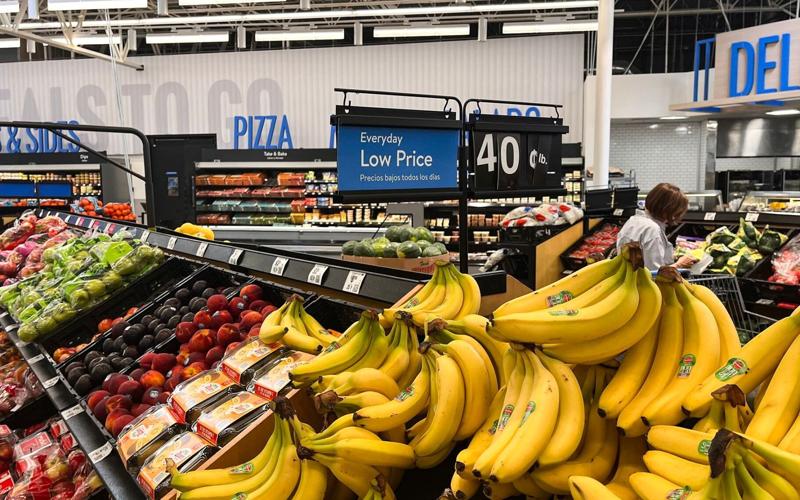
President Trump has recently signed an order to reduce tariffs on several products including beef, tomatoes, coffee, and bananas. This move aims to reduce some of the immediate cost pressures consumers face while navigating persistent inflation. The tariff reductions are notable because tariffs add to the price of imported goods, which, in turn, can raise costs for buyers and businesses alike. By lowering these tariffs, there is potential for more affordable prices for everyday items, providing some relief to American households struggling with higher living expenses.
The reduction in tariffs comes at a time when many consumers still feel the squeeze of rising costs across various sectors. Everyday goods like fresh produce, coffee, and meat are staples in many households, so easing costs in these areas could have a direct and noticeable impact on family budgets. For businesses, these tariff cuts may help lower the cost of goods sold, which could translate into less pressure to increase prices or, in some cases, improved profit margins. However, the full effect on prices depends on factors like supply chain efficiencies and market competition.
Alongside the tariff reductions, the administration has been advancing a series of new trade deals with countries like Argentina, Guatemala, El Salvador, and Ecuador. These framework agreements focus on strengthening trade relationships in ways that can benefit both exporters and importers. Improved trade ties could potentially lead to more stable supply chains and additional opportunities for U.S. businesses in these regions. While the tariff reductions provide immediate effects, these trade deals reflect longer-term strategic moves that may influence economic conditions over time.
Adding to the economic discussions, President Trump has floated the idea of a tariff “dividend” in the form of a $2,000 payment to many Americans. Treasury Secretary Scott Bessent recently mentioned that such a plan would require congressional approval and is designed to target working families. The concept behind this dividend is that savings generated from lower tariffs could be passed directly to consumers, offering additional financial support. However, whether this plan gains traction remains uncertain, as it depends on legislative processes and political negotiation.
From an economic perspective, the mixture of tariff cuts, potential direct payments, and renewed trade agreements signals an attempt to address inflation and cost-of-living concerns through multiple channels. Lower tariffs can make certain imports cheaper, which is beneficial for both consumers and companies relying on international goods. Direct payments or rebates, if implemented, would provide immediate cash relief, helping families manage expenses. Trade agreements, meanwhile, aim to sustain economic growth and reduce uncertainties in global commerce.
For general business observers, these developments highlight how trade policies and fiscal measures can intertwine to influence the domestic economy. Watching how these tariff reductions affect prices over the coming months will be key for understanding their real-world impact. Likewise, monitoring the progress of trade deals and the political feasibility of direct payments will provide insight into the broader economic direction. The combination of these initiatives reflects a multifaceted approach to easing financial pressures while promoting international economic cooperation.
Overall, while tariff cuts may not solve all issues related to inflation or economic growth, they represent a deliberate step toward easing costs in sectors that matter to everyday consumers and businesses. The proposed $2,000 dividend remains a significant concept that could reshape how savings from tariff adjustments are distributed. Trade deals with South American countries add a layer of strategic economic engagement that could influence U.S. trade patterns in the future. Business watchers and consumers alike should stay aware of these changes, as they could affect pricing, market dynamics, and economic confidence in the coming months.
