
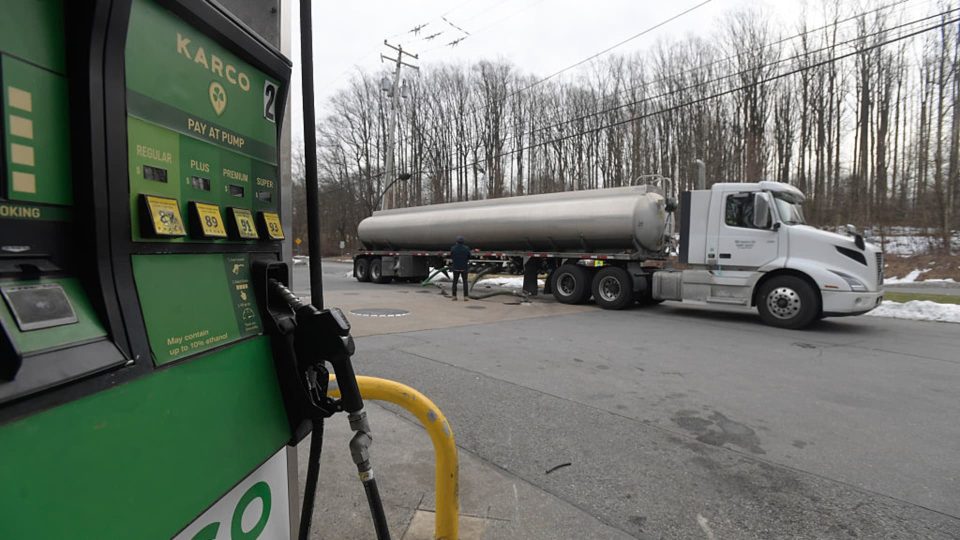
In today’s trading session, West Texas Intermediate (WTI) crude oil has climbed to $77 per barrel. This marks a notable increase from recent lows around $66 earlier this month. For many Americans, the real question centers on how this shift plays out at the gas pump.
Crude oil sets the foundation for gasoline prices. Refineries buy WTI as a key input to produce fuel. When its price rises, those costs often filter down the chain to consumers. The lag time between crude changes and pump adjustments typically spans one to four weeks, depending on market conditions and refiner decisions.
Right now, gasoline prices across the U.S. average about $3.40 per gallon, up roughly 15% from early February levels. This uptick ties directly to the WTI rally, fueled by tensions in the Middle East that raise supply concerns. Drivers in high-demand states feel it first as stations pass along the added expense.fred.
Regional variations add another layer. On the West Coast, prices hover near $4.50 per gallon due to tighter refinery capacity and transport costs from crude hubs. Midwest drivers see averages closer to $3.20, helped by proximity to refineries along pipelines from Cushing, Oklahoma. East Coast markets sit around $3.60, influenced by imports and local taxes that amplify crude swings.
Consumer impacts extend beyond the pump. Higher fuel bills squeeze household budgets, especially for commuters and truckers. A family driving 12,000 miles yearly might face an extra $200 in costs at current rates. Businesses adjust too, with shipping firms raising delivery fees that ripple into grocery and goods prices.
Looking ahead, the outlook holds uncertainty. If WTI holds above $75, analysts expect national averages to push toward $3.70 by mid-March. Further Middle East disruptions could accelerate that. On the flip side, increased U.S. production or milder demand from economic slowdowns might ease the pressure.
Refiners play a big role in this equation. They balance crude costs against their margins. In times of rapid rises, some hold back on price hikes to keep market share. Others respond quicker. Seasonal factors matter too. Spring brings more road trips, which tightens supply and nudges prices higher.
Taxes shape the picture as well. Federal excise sits at 18.4 cents per gallon, with states adding anywhere from 16 cents in Alaska to 68 cents in California. These stay fixed, so crude surges claim a larger share of the pump total. About 55% of every gallon reflects raw oil costs during peaks like this.
Demand patterns influence the pass-through. Cold weather cut driving earlier this year, holding prices in check. Warmer months reverse that. Electric vehicle growth tempers some pressure, but gasoline still powers most U.S. vehicles.
Government policies factor in. Strategic Petroleum Reserve releases can flood the market to cap spikes, though recent draws sit low. Sanctions on producers add volatility. Traders watch inventories weekly, with the Energy Information Administration reporting declines that signal tighter supply.
For drivers, small habits help. Filling up mid-week often saves a few cents versus weekends. Apps track local lows. Carpooling or efficient routes cut exposure. Still, broader trends like this WTI move remind us how global events shape daily drives.
Market watchers note correlations run high. Historically, a $10 barrel jump lifts pump prices by 25 cents per gallon over time. This $11 rise from February lows points to similar math. Keep an eye on futures contracts, as they preview refiner bets.
WTI’s path forward hinges on geopolitics and output data. Pump prices will follow suit, varying by region and habit. U.S. drivers adapt, but the link from barrel to tank stays tight.
