
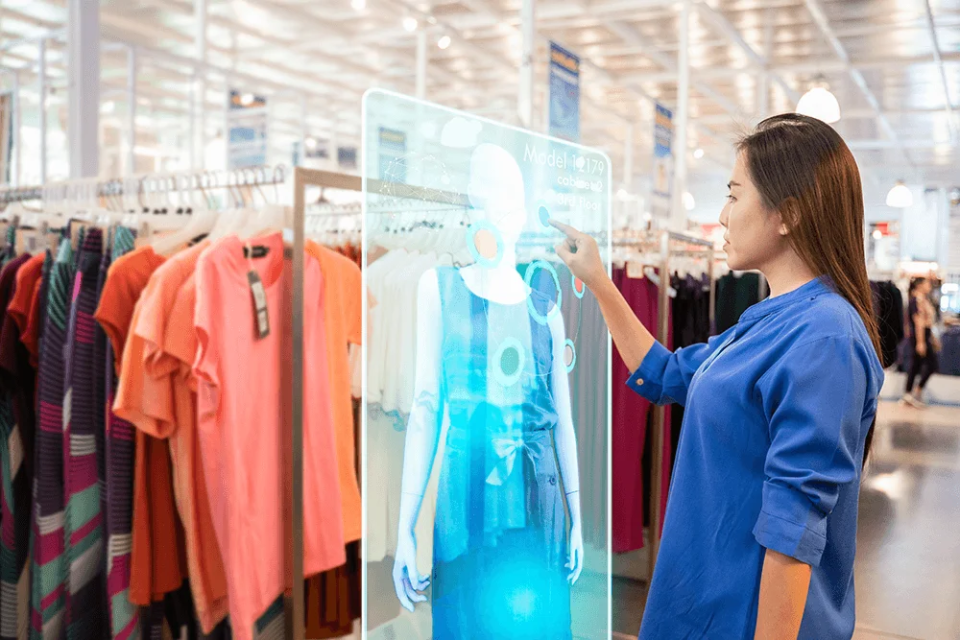
Technology is improving the retail shopping experience in ways that feel both familiar and fresh. Shoppers now expect quick answers, personalized picks, and seamless checkouts, whether online or in stores. AI tools handle complex requests, suggest items based on past buys, and even complete transactions without extra clicks. This shift cuts frustration and saves time, turning browsing into buying. Retailers use these advances to stand out in crowded markets. Data from customer chats refines inventories and promotions, creating loops of better service. The result is a smoother path from interest to ownership.
The Gap (NYSE: GAP) leads with its new partnership with Google’s Gemini platform. Shoppers buy Gap brand products directly inside Gemini, a first for major fashion retailers. Users chat about needs, get outfit ideas, and check out in the same flow. Gap built this on prior AI work, like body scan fits for virtual try-ons. Chief technology officer Sven Gerjets says Gemini lets retailers guide the experience better than tools like ChatGPT. Brands keep their voice while AI speeds sales. This matters now, as specialty retail fights slim margins and fierce rivals. Gap gains an edge by embedding buys in daily AI use.
Agentic commerce powers this change. AI agents act independently, like personal assistants scouting deals or matching sizes. Gap’s setup pulls from its catalog for instant options. Ask for work pants, and Gemini shows fits, prices, and a buy button. Early feedback shows users stick around longer, boosting conversions. Retailers collect insights too, without forcing app installs. Privacy stays key, with clear controls on data. Gap blends tech with its casual style, making AI feel approachable. Specialty stores need such tools to match e-commerce speed.
Other players build on this fast. Best Buy and Wayfair joined Google’s agentic protocols in early 2026. Best Buy’s AI tackles queries like finding budget TVs with gaming sound. It checks stock, compares specs, and links to purchase. Wayfair applies it to furniture, matching room descriptions to full setups with delivery info. These cut the 70% online cart drop-off rate. Best Buy shines in tech sales, Wayfair in home design. Both center their catalogs, so AI extends the brand naturally. Adoption spreads as Google refines the tech.
Honeywell launched its Smart Shopping Platform with Google Cloud back in January. Aimed at big retail operations, it predicts demand and optimizes stock. Staff use voice commands for restocks, like “refill aisle 5 with size 10 shoes.” Customers see benefits in full shelves and app-based deals. It ties into Gemini-style chats for real-time inventory. This back-end smarts feed front-end ease. Chains gain efficiency, passing savings to shoppers. Honeywell targets scale, proving AI works beyond apparel.
Patterns emerge across these cases. AI bridges browsing and buying, lifting sales 20-30% in tests. Gap innovates in fashion, Best Buy in gadgets, Wayfair in decor, Honeywell in logistics. Challenges include accurate fits and data rules, tighter in the U.S. and Europe. Still, the momentum builds. Retailers cut support costs, like Best Buy’s 25% drop in calls. Wayfair pairs visuals with agents for room plans. Honeywell smooths chains for steady supply. Shopping fuses chat, smarts, and action.
Brands adapting now lead the pack. Gap pulls traffic through Gemini chats. Others watch and iterate. Platforms evolve monthly, mirroring voice search’s rise. Shoppers demand AI aid, just as they did maps on phones. Retail must follow to build loyalty via ease. Tech waves hit physical stores next, customizing every buy.
