
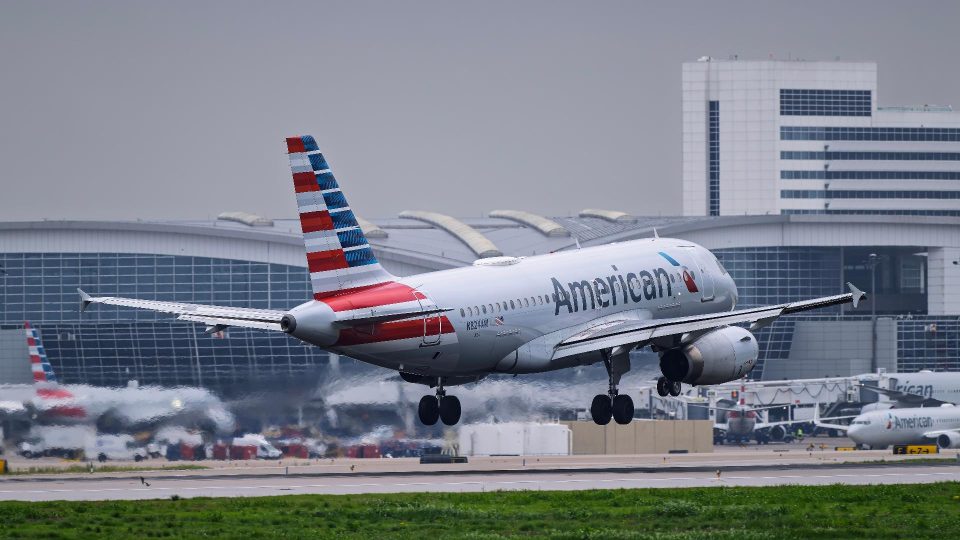
The Federal Aviation Administration (FAA) plans to reduce flight operations by 10% at 40 major U.S. airports starting this Friday, as part of its efforts to maintain safety amid ongoing staffing challenges caused by the extended U.S. government shutdown. This marks an unprecedented move in FAA history, reflecting the strain on air traffic controllers working without pay since the shutdown began.
The reduction will not happen all at once but will phase in, beginning at 4% on Friday and gradually increasing to a full 10%. This will affect flights scheduled between the hours of 6 a.m. and 10 p.m. daily at some of the busiest airports in the country, including Atlanta’s Hartsfield-Jackson, Boston Logan, the three New York City-area airports, Chicago O’Hare, and others.
The FAA’s primary concern is safety. Air traffic controllers, many of whom are working unpaid overtime six days a week due to the funding impasse, have shown signs of fatigue and increased absenteeism. These factors have led to numerous delays and threaten to undermine the system’s reliability. FAA Administrator Bryan Bedford described the agency’s decision as a proactive measure to prevent a crisis from developing, emphasizing that safety remains the top priority even as flight capacity is curtailed.
Notably, international flights are exempt from these reductions. Airlines are being instructed to reduce their schedules proportionally and work within the new constraints to minimize disruption. Despite these efforts, travelers can expect delays and cancellations as the reduced schedules take effect. Airlines like United, American, Frontier, Alaska, and Southwest have acknowledged the FAA’s directive and are preparing to inform their customers, offering flexible options such as refunds or rebooking to those impacted.
This situation also highlights the broader impact of the government shutdown on the aviation industry. With air traffic controllers unpaid and facing difficult personal decisions about work, the FAA and Department of Transportation are tasked with balancing operational demands with the need to maintain a safe airspace. Transportation Secretary Sean Duffy has warned of the potential escalation of flight restrictions or even airspace shutdowns if the shutdown persists.
The reduction is expected to affect thousands of flights, with an estimate of up to 1,800 flights and 268,000 seats impacted nationwide. While challenging, some industry experts suggest that airlines might employ strategies such as using larger aircraft on fewer flights to maintain passenger capacity, mitigating the effect on travelers where possible.
FAA officials remain firm that these actions are necessary to manage risks before they escalate into safety issues. The current air traffic system is described as “extremely safe” and will continue to be so because of the reduction in flight volumes, even as the staffing situation remains precarious.
For commercial passengers, this means a period of heightened uncertainty. Airlines are encouraging travelers to check flight statuses frequently and prepare for possible disruptions. The FAA has promised to release detailed information about the affected airports and flights to help travelers plan accordingly.
This phase of flight reductions may last as long as the government shutdown continues and until staffing and operational conditions improve. The situation underscores the fragile interdependence of government operations and the nation’s air travel infrastructure, revealing how critical well-supported workforce capacity is to sustaining normal service levels.
